The Ultimate Guide to Choosing the Best Materials for Kitchen Sinks: Durability Meets Style
This comprehensive guide explores the top five materials for kitchen sinks, including acrylic, stainless steel, composite granite, copper, and cast iron. Each material offers unique advantages in style, durability, and maintenance, helping homeowners choose the best option for their needs. The article provides detailed insights into the benefits and drawbacks of each material, making it an essential resource for those planning kitchen remodeling or new installations. Discover how to balance aesthetics, functionality, and budget with expert tips on selecting the ideal kitchen sink material to elevate your culinary space.
The Ultimate Guide to Choosing the Best Materials for Kitchen Sinks: Durability Meets Style
The kitchen sink is an indispensable element in any modern kitchen, serving as the core hub for cleaning, food prep, and sometimes even cooking. Conveniently positioned near the stove, refrigerator, and work surfaces, the sink's choice of material significantly impacts the overall functionality, durability, and aesthetic appeal of your kitchen. With the rapid advancement of manufacturing technologies and design innovations, homeowners now have access to a wide array of sink materials that combine style, durability, and affordability. Selecting the ideal material is crucial not only for maintaining an attractive kitchen space but also for ensuring long-term performance and ease of maintenance.
In today’s market, there is a growing trend toward choosing high-quality materials that resist everyday wear and tear while adding a sophisticated touch to the kitchen decor. Whether you're remodeling or building a new kitchen, understanding the unique features, pros, and cons of each material can help you make informed decisions aligned with your lifestyle, design preferences, and budget.
1. Acrylic Sinks
Acrylic sinks have gained immense popularity among homeowners due to their flexibility in design and affordability. Made from a durable, molded plastic composite, these sinks are available in a variety of vibrant colors and styles to match any kitchen decor. One of the key advantages of acrylic is its lightweight nature, which simplifies installation processes and reduces strain on cabinetry and countertops. Moreover, acrylic sinks are resistant to chipping and impact, making them a practical choice for busy kitchens. They also have a smooth surface that is easy to clean and maintain, requiring only mild detergents for upkeep. The affordability of acrylic sinks makes them an excellent option for budget-conscious homeowners, while their customization options allow for creative designs that can elevate the overall look of your kitchen.
However, acrylic sinks are not without their drawbacks. They can be prone to scratching if harsh abrasive cleaners are used, and hot pans should be handled carefully to prevent warping or discoloration. Nonetheless, with proper care, acrylic sinks can provide excellent service for many years and are perfect for those seeking a versatile and budget-friendly solution.
2. Stainless Steel Sinks
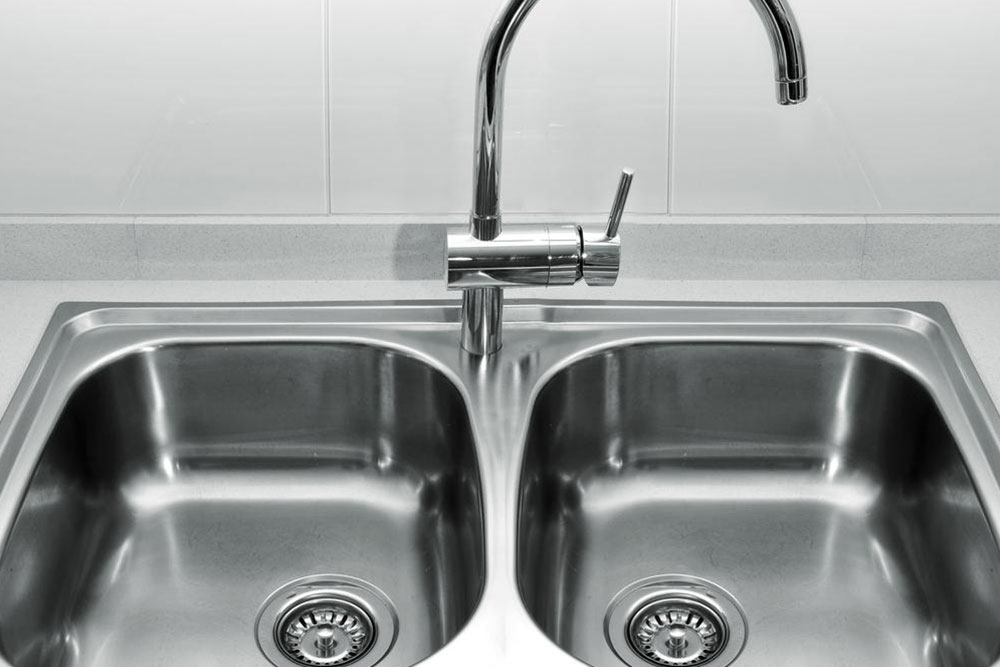
Among the most trusted and widely used materials in kitchen sink manufacturing, stainless steel combines resilience with stylish simplicity. Known for its resistance to rust, stains, and heat, stainless steel sinks are a staple in both traditional and contemporary kitchens. They are highly regarded for their durability, ease of cleaning, and antimicrobial properties, making them a hygienic choice for food preparation areas. Different finishes, from matte to high polish, allow homeowners to match their sink with other appliances and fixtures seamlessly. Additionally, stainless steel sinks are available across a broad price range, from economical options to premium finishes with thicker steel and custom features.
The primary benefits of stainless steel include its resistance to almost all common kitchen mishaps, including hot pots, sharp knives, and staining agents. Its reflective surface also helps to hide minor scratches and blemishes, keeping the sink looking pristine over time. Regular cleaning with non-abrasive cleaners maintains its shine and prevents water spots. Despite its advantages, stainless steel can sometimes be noisy when dishes or utensils contact the surface, but this issue can often be mitigated with sound-proofing pads or undercoating during installation.
3. Composite Granite Sinks
Composite granite sinks have become a top choice for consumers seeking the luxurious appearance of natural stone with added durability and affordability. These sinks are made from a mix of crushed granite and acrylic resins, creating a resilient material that mimics the look and feel of real granite. Known for their robustness and resistance to scratches, stains, and household acids, composite granite sinks stand out for their ability to withstand daily usage without losing their appeal. They are also capable of maintaining heat well, making them suitable for washing hot pots and pans.
Design-wise, composite granite sinks offer a wide spectrum of colors and finishes, from matte to polished, fitting seamlessly into both modern and rustic kitchens. Their surface is smooth and non-porous, which helps in preventing bacterial buildup and makes cleaning an easy task. The natural warmth and understated elegance of these sinks add a touch of sophistication to any kitchen environment. While they tend to be on the pricier side compared to acrylic models, their long-lasting performance offers excellent value for money, especially for those looking to invest in a durable, high-end product.
4. Copper Sinks
Copper sinks exude luxury and charm, making them a focal point in upscale kitchens. Renowned for their distinctive reddish-brown patina, copper naturally develops a unique, aged look over time, which enhances their rustic appeal. Beyond aesthetics, copper offers antibacterial properties that inhibit microbial growth, maintaining better hygiene with minimal effort. This natural antimicrobial trait is especially valued in culinary spaces, giving homeowners peace of mind about cleanliness.
Manufactured through hand-crafted techniques, copper sinks are highly malleable, allowing for custom shapes and designs that can elevate the originality of your kitchen. Their warm tone complements a variety of design styles, from farmhouse to industrial, and pairs beautifully with brass and other warm metal accents. Copper requires some maintenance to preserve its appearance; regular polishing prevents the development of a greenish patina unless a more aged look is desired. While they tend to be more expensive than other materials, copper sinks are a worthwhile investment for their aesthetic appeal, durability, and hygienic advantages.
5. Cast Iron Sinks
Cast iron sinks, coated with durable enamel, are known for their classic appeal and exceptional strength. These sinks have been used in kitchens for generations, and their enduring popularity is a testament to their timeless style and longevity. Enameled cast iron offers a glossy, smooth surface that resists stains, chips, and scratches, making it highly suitable for heavy-duty use. They are available in numerous color options, allowing homeowners to choose a shade that complements their overall kitchen design.
One of the standout features of cast iron sinks is their ability to withstand high temperatures and heavy impacts without sustaining damage. Their thick construction ensures stability and sound dampening, reducing noise from running water and dishes. Proper maintenance involves avoiding abrasive cleaners and using gentle detergents, but with proper care, cast iron sinks can last a lifetime, often becoming a centerpiece of traditional kitchens. Despite their weight, these sinks are easy to maintain and provide unmatched build quality, representing a perfect blend of vintage charm and practical utility.
In conclusion, selecting the right material for your kitchen sink is crucial in balancing style, practicality, and budget considerations. Acrylic, stainless steel, composite granite, copper, and cast iron each come with their unique advantages and suitability for different kitchen environments. Understanding their characteristics enables homeowners to make informed choices that enhance their kitchen's aesthetics and functionality for years to come. Whether prioritizing modern aesthetics, durability, or a vintage vibe, there's a sink material perfectly suited for every culinary space.