Comprehensive Guide to BBQ and Grilling: Techniques, Tips, and Delicious Recipes
Discover the art of barbecue and grilling with comprehensive techniques, tips, and flavorful recipes. Learn the key differences between BBQ and grilling, explore effective heat sources, and master cooking methods for tender, smoky, and delicious outdoor dishes. From classic smoked meats to quick grilled favorites, this guide covers everything you need to elevate your outdoor cooking skills and host memorable gatherings all year round.
Comprehensive Guide to BBQ and Grilling: Techniques, Tips, and Delicious Recipes
Barbecuing and grilling represent some of the most cherished outdoor cooking traditions worldwide. These methods not only transform simple ingredients into mouthwatering dishes but also serve as a social catalyst that unites friends and families during warm seasons. As the sun sets and outdoor gatherings become more frequent, mastering the art of barbecue and grilling becomes essential for any home chef or outdoor enthusiast. From selecting the right equipment and understanding different heat sources to exploring various techniques and recipes, this comprehensive guide offers valuable insights to elevate your outdoor cooking skills.
Understanding BBQ vs. Grilling: What Are the Differences?
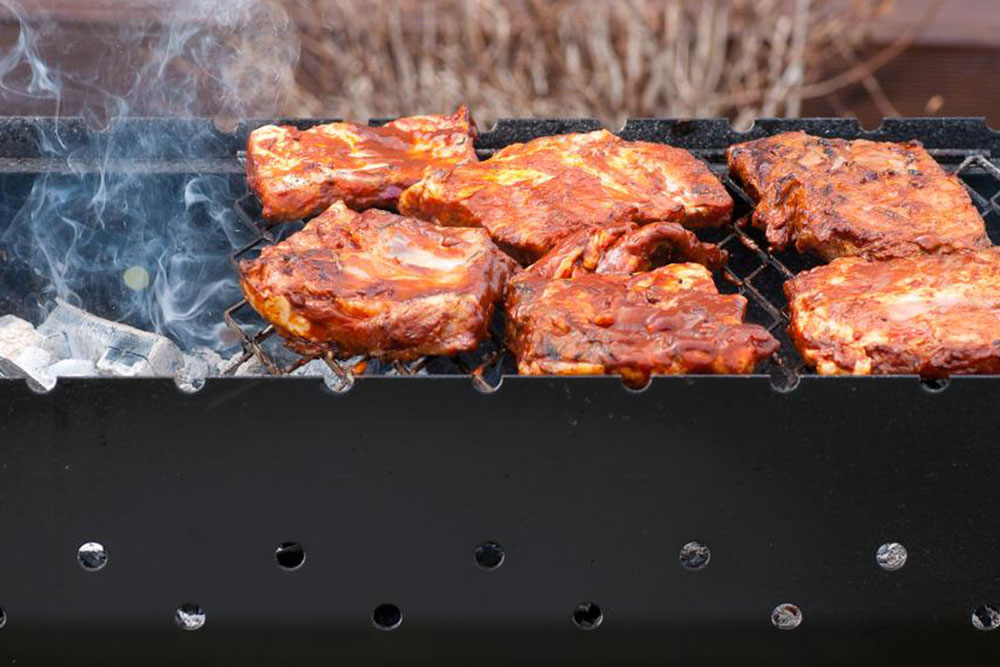
While many people use the terms interchangeably, barbecue and grilling are distinct cooking methods, each with its own techniques and flavor profiles. Grilling involves cooking smaller cuts of meat, vegetables, or seafood quickly over direct high heat, typically at temperatures around 500°F (260°C). The process creates a seared exterior that locks in juices, producing a crispy crust and tender interior within minutes. Grilling is ideal for quick meals like steaks, chicken breasts, burgers, skewers, and vegetables.In contrast, barbecuing refers to the slow cooking of larger cuts of meat over indirect heat for extended periods, often several hours. This method relies on low temperatures, usually around 225°F (107°C), combined with smoke from burning wood or charcoal to infuse flavors and tenderize tough cuts like ribs, briskets, pork shoulders, and whole chickens. The prolonged cooking process results in fall-off-the-bone tenderness and rich, smoky flavors. Historically, grilling predates barbecue, originating from cooking over open flames, whereas barbecue evolved as a slow-cooking tradition with regional variations across the globe.
Heat sources play a fundamental role in both methods. Charcoal and wood are the primary fuels in traditional barbecue, imparting a distinct smoky aroma to the meat. Different woods like hickory, mesquite, apple, and cherry add unique flavors, enhancing the depth of smoked dishes. On the other hand, grilling typically uses direct flame from charcoal, propane, or electric elements at very high temperatures to quickly sear and cook ingredients. The choice of heat source influences flavor profiles and cooking times, making it crucial for aspiring chefs to understand their options.
In barbecue, slow, indirect heat allows for the development of complex flavors. The method involves maintaining a consistent temperature using specialized equipment like offset smokers, ceramic smokers, or traditional pit grills. Smoke from woods like hickory or mesquite adds smoky richness, while marinades and rubs contribute to flavor layers. During cooking, it's vital to monitor temperature and moisture levels to prevent drying out the meat and ensure even cooking.
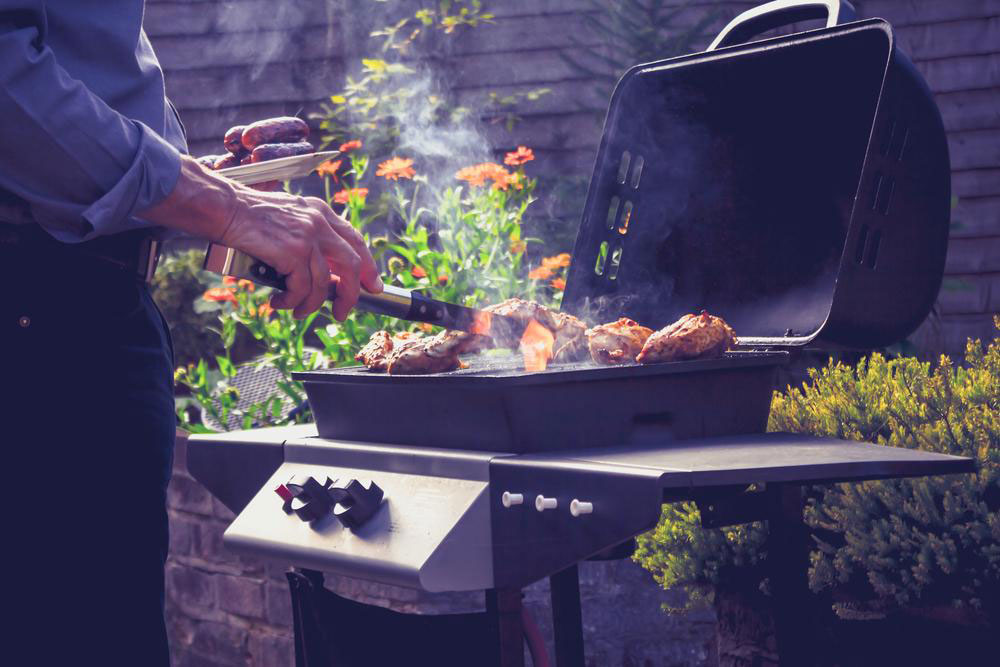
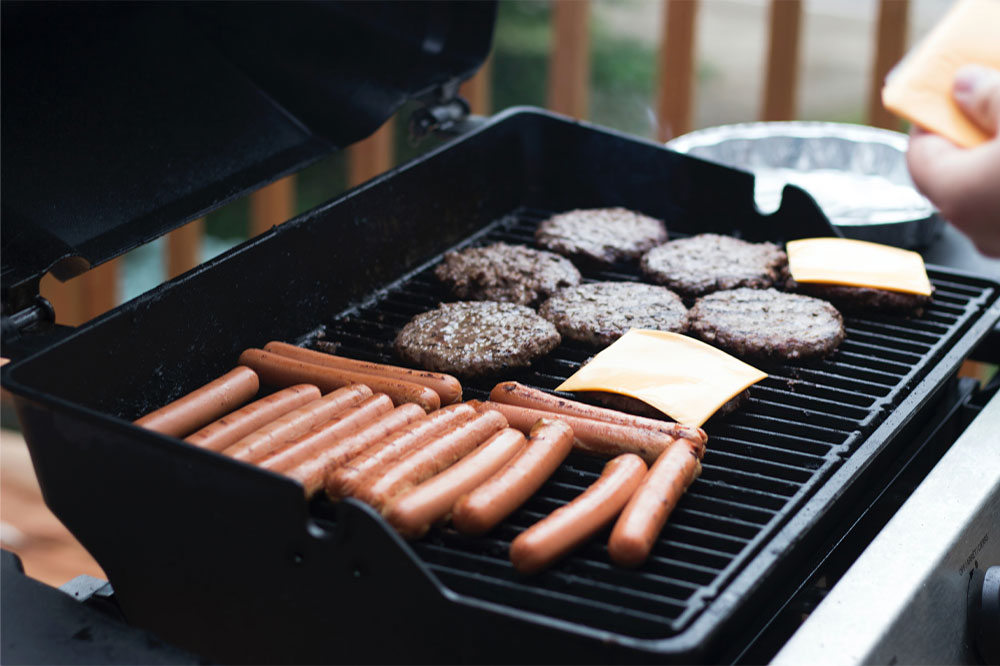
Quick grilling requires high heat, often around 500°F (260°C), to achieve rapid browning and searing. This method is perfect for small, tender cuts that cook within 5 to 15 minutes. Seasonings like dry rubs, marinades, or simply salt and pepper are applied before grilling, with sauces added at the end to prevent burning. The key to perfect grilling lies in managing heat and timing to create a crispy exterior while maintaining a juicy interior.
Popular Dishes and Recipes: From Classic BBQ to Modern Grilled Delights
Some of the most beloved barbecue dishes include tender Texas-style smoked chicken, succulent beef brisket, and flavorful pulled pork sandwiches. These recipes often utilize slow cooking over indirect heat with aromatic woods, resulting in melts-in-the-mouth textures. Grilled dishes such as juicy steaks, spicy chicken wings, kabobs, and grilled vegetables complement any outdoor gathering. Additionally, sides like baked beans, coleslaw, potato salad, and corn on the cob enhance the barbecue experience.For those seeking to impress guests, experimenting with different marinades, rubs, and sauces can elevate traditional recipes. Techniques like wrapping meat in foil during smoking, using water pans to maintain moisture, and resting meat before slicing are essential tips to achieve restaurant-quality results. Whether you're new to outdoor cooking or looking to refine your skills, these recipes and techniques serve as a foundation for crafting unforgettable barbecue and grilled dishes.