Comprehensive Guide to Church Pews: Exploring Types, Design Styles, and Material Choices
This comprehensive guide explores the various types, styles, and materials of church pews. From traditional ornate designs to modern minimalist styles, discover how to select the perfect seating for your house of worship. Learn about materials, construction techniques, and functional features that enhance comfort and aesthetics, ensuring a welcoming environment for congregation members during services and events. Whether restoring vintage pews or choosing new ones, this article provides valuable insights to inform your decision-making process for creating an inspiring spiritual space.
Comprehensive Guide to Church Pews: Exploring Types, Design Styles, and Material Choices
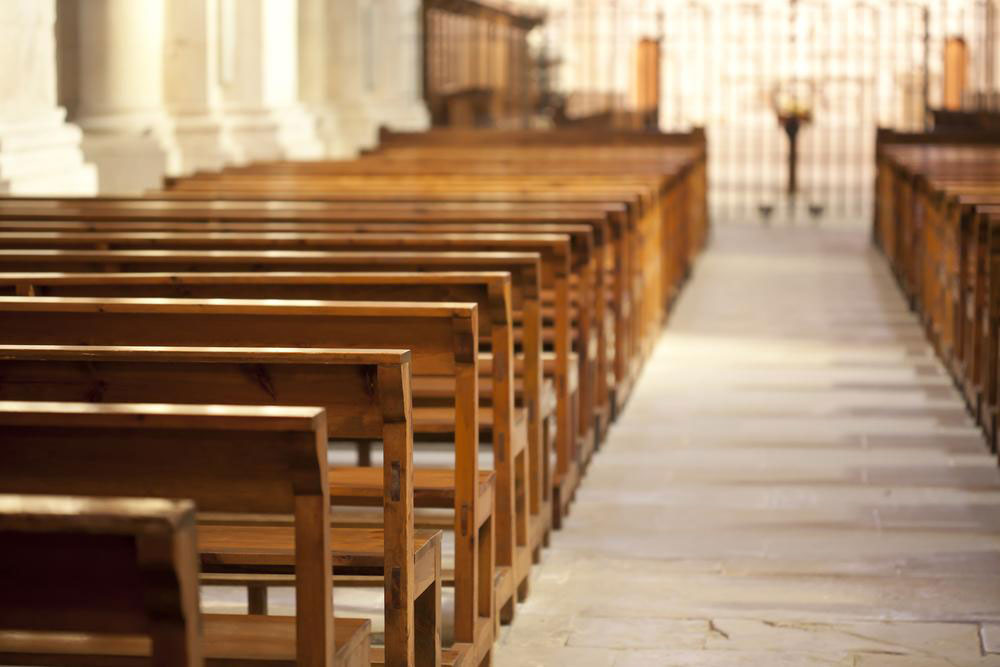
Church pews are specialized seating solutions integral to house of worship interior design. These benches or enclosed seating units are purpose-built to comfortably accommodate congregation members during religious services, ceremonies, and community gatherings. The design, arrangement, and material of church pews not only influence the visual ambiance of the sanctuary but also affect the comfort and acoustics, ensuring an optimal experience for attendees. As places of spiritual reflection and community bonding, churches often select pews that align with their architectural style, cultural traditions, and functional needs.
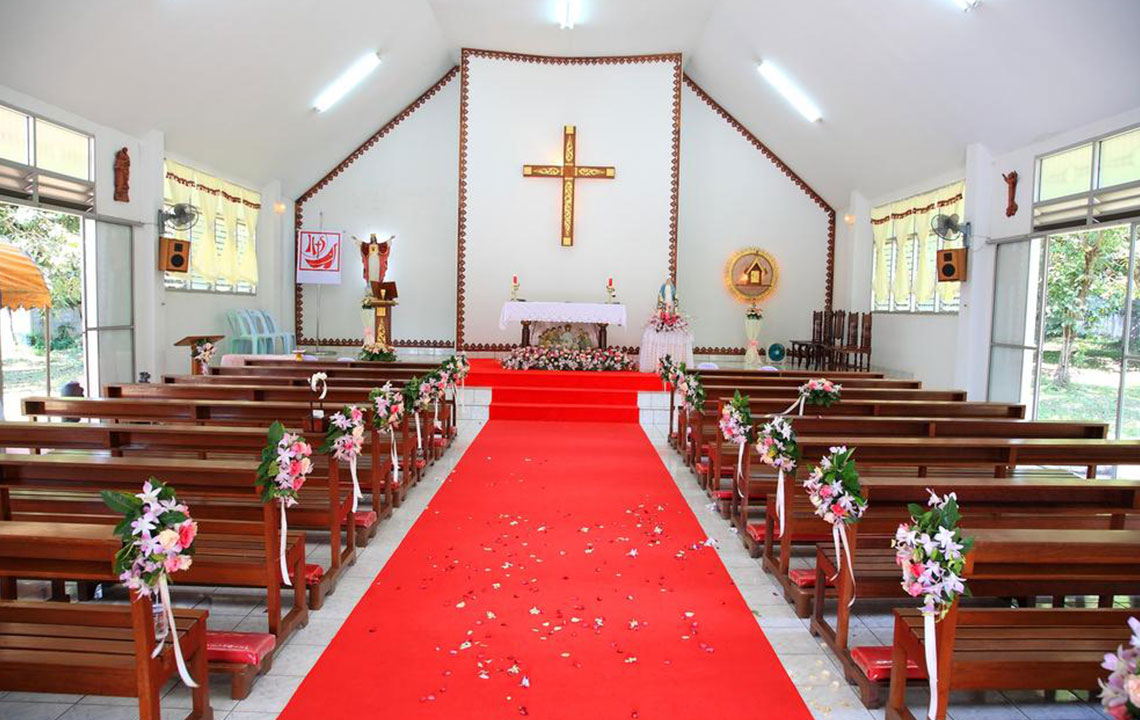
In general, church pews are arranged to facilitate unobstructed views of the altar or pulpit, allowing congregants to participate fully in worship proceedings. The seating arrangement can vary from traditional straight rows to more innovative curved or mitered configurations, enhancing sightlines and creating a welcoming atmosphere. Comfort is a key consideration, especially for longer services, which is why many churches incorporate padded or upholstered seating options alongside traditional wooden benches.
The aesthetic appeal of church pews is diverse, spanning from historic colonial styles with intricate carvings and decorative inlays to sleek modern designs characterized by minimalism and clean lines. Colonial-era pews often feature ornate craftsmanship, including decorative motifs like crosses, floral patterns, and geometric carvings, emphasizing craftsmanship and religious symbolism. These classic designs tend to have thick, substantial ends that give a sense of solidity and tradition.
Modern pew designs tend to focus on simplicity, with matte finishes and smooth, rounded edges that exude sophistication and contemporary elegance. They often utilize minimalist aesthetics that blend seamlessly with various architectural styles, from traditional church buildings to modern chapels. Material choices play a significant role in defining the style and durability of pews. The most common timber options include oak, maple, cherry, and pine, selected based on durability, aesthetic preference, and budget constraints.
Construction techniques and styles also vary widely. Traditional church pews are typically constructed with full wood bodies, featuring carved decorative elements and fixation methods designed for stability and longevity. Contemporary pews may incorporate upholstered seating with fabric or leather covers, providing enhanced comfort and a modern look, while still maintaining the overall architectural harmony. Versatile options also include a combination of wood and upholstery, allowing churches to customize seating according to their needs and aesthetic goals.
Beyond their appearance, functionality is essential. Some pews are designed with integrated kneelers, optional armrests, or adjustability for user comfort. Modular designs enable easy rearrangement or sizing adjustments, making them suitable for various church sizes and layouts. Installation methods can range from fixed bolt-down units to portable or semi-permanent arrangements, offering flexibility for different sanctuary configurations.
From a preservation perspective, church pews are often regarded as heritage pieces, especially those with vintage or antique value. Care and maintenance involve regular cleaning, refinishing, and sometimes restoration to retain their beauty and integrity over decades. When selecting pews, churches also consider acoustic impacts—how the materials and arrangement influence sound distribution within the space, ensuring that sermons and choir performances are clearly heard without excessive echo or dead spots.
Ultimately, choosing the right church pews involves balancing aesthetics, comfort, durability, and budget to create a sacred space that embodies the church's spiritual and communal identity. Whether opting for traditional ornate designs or contemporary minimalist styles, churches can find seating options that enhance their worship environment and serve their congregations for years to come.
Church pews
Seating design
Materials and style
Interior church furnishings