Comprehensive Guide to Rheumatoid Arthritis: Causes, Symptoms, Diagnosis, and Management
This comprehensive guide provides insights into rheumatoid arthritis, explaining its causes, symptoms, diagnostic methods, and modern treatment options. It emphasizes early diagnosis and multidisciplinary management to control inflammation, prevent joint damage, and improve quality of life for patients suffering from this chronic autoimmune disease. The article discusses both medication strategies and lifestyle modifications essential for effective management and highlights ongoing research aimed at advancing treatment solutions.

Comprehensive Guide to Rheumatoid Arthritis: Causes, Symptoms, Diagnosis, and Management
Rheumatoid arthritis (RA) is a complex, long-term autoimmune disorder that primarily attacks the joints, leading to inflammation, pain, and potential joint deformity. Despite extensive research, a definitive cure for RA remains elusive; however, advancements in medical science have made it possible to effectively manage symptoms, slow disease progression, and improve patients' quality of life. Understanding RA involves exploring its causes, recognizing its symptoms early, and implementing comprehensive treatment strategies tailored to individual needs.
Understanding the Nature of Rheumatoid Arthritis
Rheumatoid arthritis is classified as a chronic inflammatory autoimmune disease. Unlike osteoarthritis, which results from wear and tear, RA involves the immune system mistakenly attacking the synovial membrane — the lining of the joints. This immune response causes swelling, destruction of cartilage and bone within the joint, and can lead to joint deformity if not properly managed. While RA affects people of all ages, it predominantly strikes women, especially during middle age, highlighting potential hormonal and genetic influences in its development.
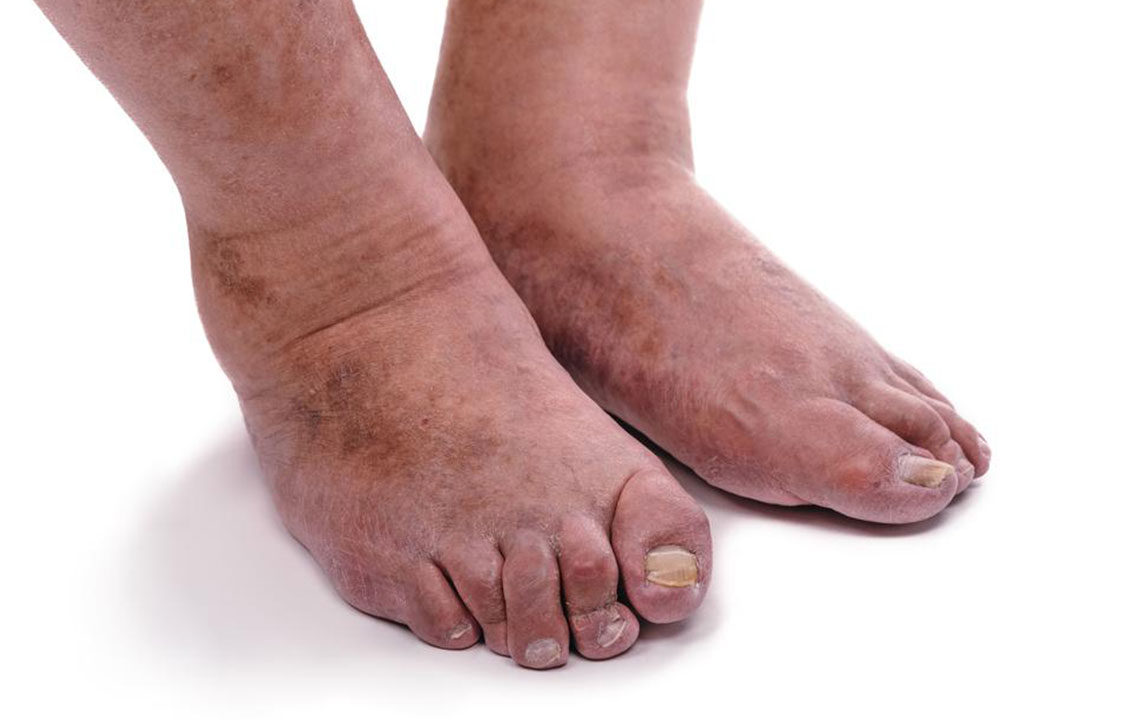
This disease manifests in various symptoms that may vary in severity among different individuals. The hallmark signs of rheumatoid arthritis include joint swelling, persistent pain, redness, warmth, and stiffness. Recognizing these symptoms early plays a critical role in preventing irreversible joint damage. Often, affected joints include the wrists, fingers, elbows, knees, hips, and ankles, but RA can also involve organs such as the lungs, eyes, and heart in more advanced stages.
Signs and Symptoms of Rheumatoid Arthritis
Symptoms often appear gradually, with some patients experiencing abrupt flare-ups. Common symptoms encompass:
Joint Pain and Tenderness: Persistent discomfort in affected joints, especially during activity or after periods of rest, conveying inflammation.
Morning Stiffness: Stiffness lasting more than an hour is typical, especially noticeable when waking up and easing with movement.
Swelling and Puffiness: Due to synovial fluid buildup, leading to visible swelling and deformity over time.
Redness and Warmth: Inflamed joints often appear red and feel warm to the touch, indicating active inflammation.
Fatigue and Systemic Symptoms: Many individuals experience overall tiredness, muscle aches, a loss of appetite, and unintentional weight loss.
Presence of Rheumatoid Nodules: Firm lumps beneath the skin, usually on elbows, are indicative of persistent inflammation.
Early diagnosis relies on a combination of physical examinations, blood tests, and imaging studies. Laboratory assessments include rheumatoid factor (RF), anti-cyclic citrullinated peptide (anti-CCP), and elevated inflammatory markers such as ESR and CRP, which help confirm the autoimmune process and inflammation level.
Managing Rheumatoid Arthritis: Treatment Strategies
Effective management of RA aims at controlling inflammation, alleviating pain, preventing joint damage, and restoring function. A multidisciplinary approach involving medications, physical therapy, occupational therapy, and lifestyle modifications is essential for optimal care. Early intervention significantly reduces the risk of irreversible joint destruction and improves long-term outcomes.
Pharmacological Treatments for Rheumatoid Arthritis
The cornerstone of RA treatment involves medications designed to reduce inflammation and modulate immune responses. These include:
NSAIDs (Non-Steroidal Anti-Inflammatory Drugs): Over-the-counter and prescription NSAIDs help relieve pain and reduce inflammation initially. However, they do not alter the disease course and may cause side effects like stomach ulcers, kidney issues, or increased blood pressure if used long-term.
DMARDs (Disease-Modifying Anti-Rheumatic Drugs): These are crucial for halting disease progression. Methotrexate remains the first-line DMARD, with other agents such as sulfasalazine, hydroxychloroquine, and leflunomide. They require regular monitoring due to potential liver toxicity and blood count suppression.
Biologic Agents: Biologics are genetically engineered proteins targeting specific components of the immune system, such as TNF-alpha, IL-6, or B-cells. Examples include etanercept, infliximab, and rituximab. While effective in controlling severe RA, biologics can increase infection risk and demand careful screening before use.
Corticosteroids: Prednisone and other steroids are used during acute flares for rapid symptom relief. Long-term use is avoided to minimize side effects like weight gain, osteoporosis, and hypertension.
Choosing the appropriate medication plan involves careful assessment of disease severity, comorbidities, and patient preferences, supervised by a rheumatologist.
Complementary Therapies and Lifestyle Adjustments
Alongside pharmacotherapy, physical therapy aims at maintaining joint mobility, muscle strength, and overall function. Physical therapists recommend tailored exercises to preserve range of motion and reduce stiffness. Cold and heat therapies can soothe joint pain and inflammation, while assistive devices may ease daily movements.
Occupational therapy plays a vital role in helping patients adapt to joint limitations, enabling them to perform activities of daily living more comfortably. Mental health support, including counseling and stress management, is equally important, as chronic pain and disability may contribute to emotional distress.
Diet modifications, such as adopting anti-inflammatory foods rich in omega-3 fatty acids, antioxidants, and vitamins, may assist in symptom management. Smoking cessation and maintaining a healthy weight decrease strain on joints and improve overall disease prognosis.
Monitoring disease activity through regular clinical assessments and lab tests helps in adjusting treatments promptly, ensuring optimal control over the disease process.
Future Directions and Research
Current research endeavors focus on developing targeted therapies with fewer side effects and improving early detection methods. Advances in personalized medicine hold promise for customizing treatment plans based on genetic and biomarker profiles, optimizing efficacy and reducing adverse reactions.
Emerging treatments such as JAK inhibitors and novel biologics continue to expand options for patients with resistant disease. Additionally, regenerative medicine and stem cell therapies are under investigation for their potential to repair joint damage caused by RA.
In conclusion, while rheumatoid arthritis remains a challenging autoimmune disorder, advancements in understanding its mechanisms and improving treatment options have significantly enhanced patients' lives. Early diagnosis, personalized treatment strategies, and comprehensive care are key to managing this chronic disease effectively, minimizing its impact, and maintaining patient independence.