Comprehensive Guide to Safely Detecting Gas Leaks and Preventing Hazards
This comprehensive guide offers essential strategies for detecting gas leaks safely. It covers common causes, reliable detection methods such as detectors and soap tests, and safety tips for homeowners and professionals. Early detection of gas leaks helps prevent dangerous accidents, environmental harm, and costly repairs. Learn how to recognize warning signs, conduct simple tests, and when to call experts to ensure safety and peace of mind in residential and commercial properties.
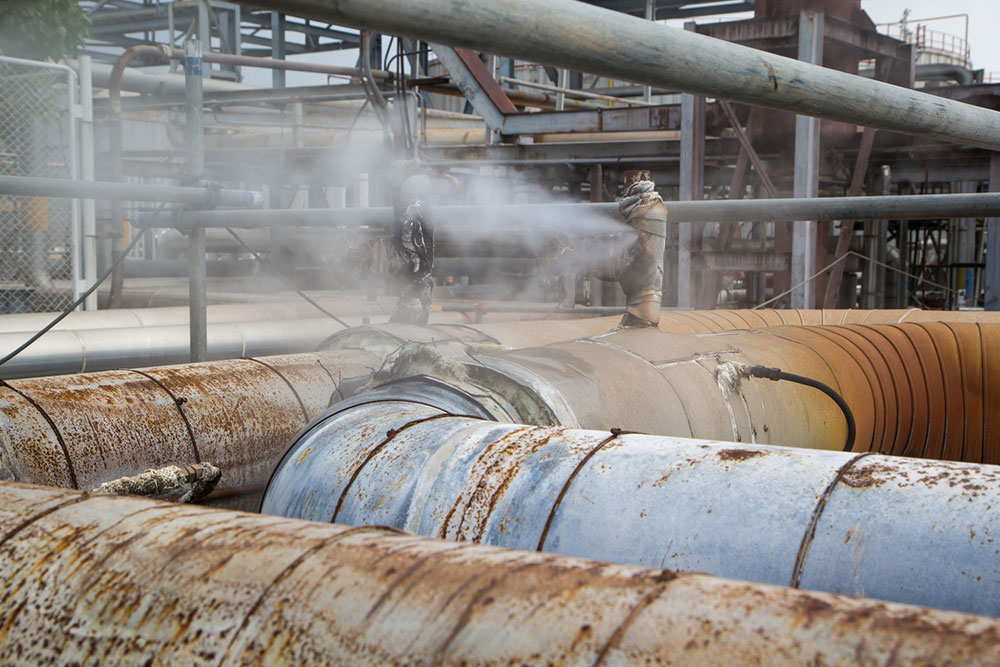
Gas leaks pose a significant safety concern in residential, commercial, and industrial environments. While natural gas and propane systems are designed with multiple safety features, accidental leaks can still occur due to various reasons, risking fire, explosion, health hazards, and environmental damage. Recognizing the early signs of a gas leak and knowing the most effective detection methods are crucial steps to ensure safety, prevent costly repairs, and protect lives. This comprehensive guide covers common causes of gas leaks, reliable detection techniques, and practical safety measures to employ at home or in business settings.
Understanding the Common Causes of Gas Leaks
Gas leaks can occur due to a myriad of factors, many of which stem from improper installation, aging infrastructure, or external influences. Delving into these causes can help property owners and maintenance personnel take proactive measures to minimize risks:
Incorrect Pressure Levels: Gas systems operate within specific pressure ranges. Overly high pressure can stress pipelines and fittings, leading to leaks. Conversely, insufficient pressure may result in inefficient appliance operation, signaling potential issues.
Damage During Excavation: Heavy machinery and construction activities near pipelines can cause accidental punctures or ruptures. It's essential to coordinate with utility services before digging to prevent such incidents.
Proximity to Explosive Events: Nearby explosions or fires can compromise pipeline integrity, leading to leaks or ruptures. Maintaining safety zones and monitoring reports of industrial accidents can mitigate such risks.
Corrosion and Equipment Failure: Over time, pipelines and fittings may corrode, especially in humid or salty environments, weakening their structure. Regular inspection and maintenance are vital for early detection and repair.
Heavy Loads on Underground Pipelines: Vehicles or heavy equipment parked or driven over pipelines can cause physical damage or deformation, resulting in leaks.
Water Main Leaks Impacting Pavements: Leaks in water mains can erode surrounding soil and damage underground gas lines, increasing leak risk and compromising structural integrity.
Environmental Factors: Snow accumulation, ice formation, earthquakes, floods, or hurricanes can all exert stress on pipelines, leading to potential leaks or damage.
Effective Methods for Detecting Gas Leaks
Early detection of gas leaks is critical for safety and environmental protection. Several methods and tools can help identify leaks promptly, allowing for swift action to prevent accidents or health hazards:
1. Monitoring Energy Consumption and Bills
Unusual spikes in your monthly gas bills can serve as initial indicators of a leak. Constantly comparing current usage with historical data helps identify discrepancies. For instance, a sudden increase without an apparent reason warrants further investigation.
2. Utilizing Gas Leak Detectors
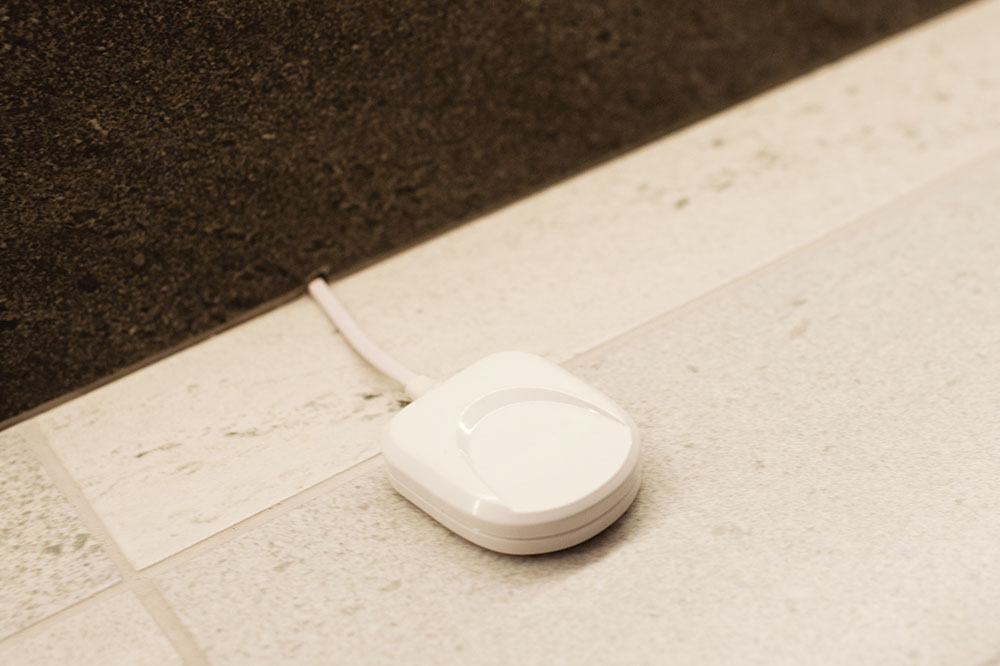
Specialized gas detection devices are invaluable for both professionals and homeowners. These handheld or fixed detectors can sense natural gas, propane, or other combustible gases down to very low concentrations. Many models emit audible alarms or visual signals once a leak is detected, enabling quick response to potential hazards.
3. Recognizing Physical and Sensory Warning Signs
One of the simplest ways to detect a gas leak involves being alert to a persistent hissing sound near pipelines or appliances. Additionally, the smell of rotten eggs or sulfur is a common indicator of natural gas leakage, as odorants are added to natural gas for safety purposes. Discoloration, stains, or corrosion on walls, pipes, or appliances can also signal leaks.
4. Soap Solution Test
A cost-effective and straightforward method involves applying a soap and water mixture around suspected leak sites. If bubbles form, it indicates escaping gas. This method can be used safely on visible pipes and fittings to locate leaks during routine inspections.
5. Detecting Ground Bubbles
In wet or grassy areas, surface bubbles rising through soil or water can point to underground leaks. These signs are often caused by gas escaping into the soil, creating pressure that pushes bubbles upward. If you notice such signs, it’s essential to contact professionals for further assessment.
6. Inspection of Appliances
Malfunctioning or improperly burning appliances can sometimes reveal leaks. For example, a stove's flame turning orange or red instead of the usual blue can signify excess gas. If such irregularities occur, turn off the appliance, evacuate the area, and seek emergency assistance immediately.
7. Monitoring Plant Health
Underground gas leaks can affect nearby vegetation, causing stress symptoms like yellowing, wilting, or stunted growth, despite proper watering and care. Noticing unusual plant health issues can be a subtle clue pointing towards a subterranean leak.
8. Recognizing Symptoms of Gas Exposure
Health symptoms such as headaches, nausea, dizziness, respiratory issues, or irritation of the eyes or throat can result from inhaling leaking gas. If you or your household members experience these symptoms, evacuate the premises immediately, ventilate the space, and contact emergency services or professionals for inspection.
9. Engaging Professional Leak Detection Services
For complex, persistent, or hard-to-locate leaks, hiring specialized leak detection services is advisable. Experts employ advanced techniques, including infrared cameras, ultrasonic sensors, and tracer gases, to accurately locate and repair leaks, significantly reducing potential hazards.
Safety Measures and Preventative Tips
Prevention is always better than cure. Here are some practical tips to prevent gas leaks and enhance safety:
Schedule regular inspections of gas piping and appliances by licensed professionals.
Ensure proper installation and operation of all gas-related equipment.
Avoid storing heavy objects on underground pipelines or near gas lines.
Use approved leak detection devices regularly, especially if your system is aging.
Keep emergency contact numbers readily accessible.
Educate household members on recognizing leak signs and emergency procedures.
Immediately shut off gas supply if you suspect a leak and evacuate the area.
Implement safety zones and proper fencing around pipelines and underground lines.
Conclusion
Detecting gas leaks promptly and accurately is vital to maintaining safety, preventing environmental harm, and avoiding costly repairs. By understanding common causes, utilizing modern detection technology, and staying vigilant to warning signs, property owners and residents can protect themselves effectively. Regular maintenance, early detection, and swift response are the key components to managing gas safety risks effectively. Always prioritize safety and consult qualified professionals when in doubt about potential leaks or damage.