Comprehensive Guide to Choosing the Right Interior Design Education Program
Selecting the right interior design program is crucial for aspiring designers. This comprehensive guide covers accreditation, curriculum, faculty, facilities, extracurricular activities, skills, placement support, alumni feedback, and degree options, helping students make informed choices. Choosing a reputable school for interior design education ensures a strong foundation for a successful career in transforming spaces with creativity, functionality, and professionalism. Learn how to evaluate programs effectively and maximize your educational experience in this dynamic industry.
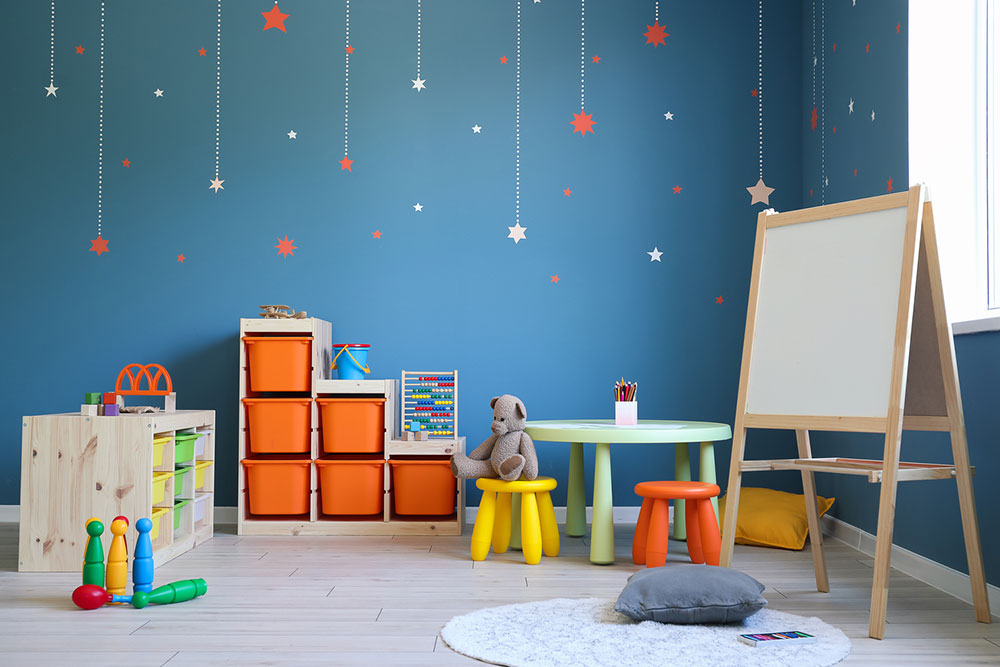
Creating beautiful, functional, and inspiring interior spaces requires a combination of artistic vision, technical skills, and practical knowledge. Interior designers are vital in transforming everyday environments into aesthetically pleasing and efficient spaces that meet clients’ needs and tastes. As the demand for skilled interior decorators grows, pursuing the right educational pathway becomes crucial for aspiring professionals aiming for success in this dynamic industry. Selecting an excellent interior design program involves careful consideration of multiple factors such as accreditation, curriculum quality, faculty expertise, facilities, extracurricular activities, skill development opportunities, placement support, campus feedback, and the suitability of degree options. Conducting thorough research ensures a solid foundation for a rewarding career in interior design.
1. Confirm Accreditation of the Program
One of the most critical steps when choosing an interior design school is verifying its accreditation status. Accreditation from recognized agencies like the Council for Interior Design Accreditation (CIDA) or other relevant bodies ensures that the program adheres to industry standards, quality benchmarks, and comprehensive curriculum requirements. Accredited programs undergo regular evaluations and updates, guaranteeing students receive education that aligns with current professional practices and expectations. Enrolling in an accredited institution also benefits students in terms of eligibility for licensure in certain regions and ease of transferability if they decide to pursue further education elsewhere.
2. Analyze the Curriculum Content and Structure
The curriculum serves as the backbone of any educational program. A well-designed interior design course should strike a balance between theoretical foundations and practical application. Theoretical courses should cover core principles such as design theory, color theory, spatial planning, and sustainable design practices. Equally important are hands-on modules involving project work, drawing, 3D modeling, and software training with tools like AutoCAD, SketchUp, or Adobe Creative Suite. The program should prepare students for real-world challenges by immersing them in industry-standard projects, design simulations, and internships. Look for programs that evolve their curriculum to include current trends like smart home technology, eco-friendly materials, and universal design.
3. Evaluate Faculty Credentials and Industry Experience
The expertise of instructors greatly influences the quality of education. When researching interior design programs, consider faculty members’ professional backgrounds, industry experience, and academic credentials. Educators with extensive real-world experience bring practical insights into the classroom, mentorship, and project feedback. Additionally, faculty who maintain industry connections can facilitate guest lectures, networking opportunities, and collaborative projects, enriching students’ learning environment. Effective teachers also employ engaging pedagogical methods, including case studies, site visits, and interactive workshops, which enhance comprehension and creative thinking.
4. Inspect the Infrastructure and Learning Resources
State-of-the-art facilities are essential for nurturing aspiring designers. Top interior design schools should offer modern classrooms equipped with smartboards, visualization tools, and access to current design software. Libraries should contain a comprehensive collection of design books, magazines, and digital resources. Workshops and labs should be available for practicing drawing, model-making, and material testing. Access to sample materials, textiles, lighting fixtures, and furniture allows students to explore different design elements firsthand. A conducive learning environment with facilities that simulate real-world design studios can significantly enhance student skill development and creativity.
5. Review Extracurricular Activities and Industry Exposure Opportunities
Beyond classroom learning, extracurricular activities play a crucial role in broadening students’ perspectives and honing practical skills. Reputable interior design programs organize guest lectures, industry panel discussions, design competitions, exhibitions, and field trips to commercial spaces or architectural firms. Participating in these activities exposes students to the latest industry trends, innovative materials, and networking opportunities with industry professionals. Collaborating in cross-disciplinary projects or participating in design contests encourages teamwork, leadership, and problem-solving—attributes essential for flourishing in a competitive industry.
6. Focus on Skill Development and Portfolio Building
Practical skill enhancement is vital for interior design students aiming to stand out in the job market. Look for programs that incorporate competitions, collaborative projects, and exhibitions that challenge students’ creativity and technical abilities. These opportunities not only boost confidence but also help in building a professional portfolio that showcases a variety of design styles and project scopes. Some institutions also host design residencies or external workshops focused on new technologies, sustainable design, or specialized fields like hospitality or commercial interiors. Developing a robust portfolio during education paves the way for employment and freelance opportunities post-graduation.
7. Investigate Placement and Career Support Services
Transitioning from education to employment is a significant phase for interior design students. Leading programs provide comprehensive placement support, including internship placements, career counseling, résumé workshops, and interview preparation. Institutions with strong industry connections can help facilitate internships or job placements with design firms, architecture companies, furniture manufacturers, or real estate developers. A dedicated placement cell, alumni network, and industry partnerships significantly increase a student’s chances of landing meaningful employment when they graduate.
8. Gather Feedback from Alumni and Review Student Experiences
Speaking directly with alumni provides honest insights into the quality of education, campus environment, faculty support, and post-graduation success. Alumni can share how well their education prepared them for the workforce, the relevance of coursework, and their overall experience. Additionally, reviewing online testimonials and forums can help gauge the reputation of the program and campus culture, helping prospective students make informed decisions aligned with their career goals and personal preferences.
9. Decide on the Degree Program Suitability
Interior design education offers various degree options, primarily associate degrees, bachelor’s degrees, and even master’s programs. An associate degree typically prepares students for entry-level positions and is suitable for those seeking a quick start into the industry. A bachelor’s degree, however, offers comprehensive training and opens opportunities for senior roles, specialization, and advanced projects. Some students may choose to pursue additional certifications or master’s programs in specialized areas like sustainable design, lighting, or historic preservation later in their careers. Carefully assess your aspirations, time commitment, and financial investment before choosing the most appropriate degree path.
Opting for a reputable interior design school, whether online or traditional, is the first step toward building a successful career. Institutions like the New York School of Interior Design, Savannah College of Arts and Design, or other accredited colleges provide quality education and practical exposure necessary for thriving in this creative industry. An investment in high-quality education and industry-relevant skills will set the foundation for a fulfilling and prosperous interior design career.