Ultimate Guide to Choosing Energy-Saving Windows for Your Home
Discover comprehensive insights into choosing energy-saving windows that maximize insulation, reduce costs, and enhance home comfort. Learn about certification standards, installation tips, optimal placement, and ideal materials to make informed decisions for your energy-efficient upgrades.
Ultimate Guide to Choosing Energy-Saving Windows for Your Home
In today’s eco-conscious world, energy-saving windows have become an essential upgrade for homeowners seeking to improve their home's efficiency, reduce energy bills, and contribute to environmental conservation. These advanced windows are designed to minimize heat transfer, healthy indoor climates, and optimize natural light infiltration. Making the right choice involves understanding various factors, from certification standards to installation techniques, ensuring that your investment delivers maximum benefits throughout the year.
1. Complement with Effective Interior Coverings
While energy-efficient windows are engineered to resist heat transfer and drafts, the addition of high-quality interior coverings can significantly amplify their performance. Thermal curtains, insulated blinds, and shades help maintain consistent indoor temperatures by trapping warm air during winter and reflecting heat away in summer. Properly selected treatments contribute to cutting down energy consumption for heating and cooling, leading to lower utility bills and enhanced comfort inside your home.
Implementing thermal curtains and insulating blinds is a strategic step toward maximizing your windows' energy-saving potential. These interior enhancements prevent drafts, block excess heat in summer, and conserve warmth during cold seasons. Combining quality windows with effective window treatments yields a harmonious approach to energy efficiency.
2. Verify NFRC Certification for Reliable Performance
When selecting energy-efficient windows, certification is key to ensuring their performance and quality. The National Fenestration Rating Council (NFRC) provides standardized ratings for windows, including parameters such as Solar Heat Gain Coefficient (SHGC), U-value, and visible transmittance. These metrics help you to compare different products objectively and choose windows that align with your climate and energy-saving goals. NFRC-certified windows guarantee proven insulation performance, durability, and sunlight transmission capabilities.
Always look for NFRC labels during your shopping process. The ratings provided guide you in making informed decisions that improve your home’s energy efficiency, reduce utility costs, and promote environmental sustainability.
3. Ensure Proper Installation and Strategic Placement
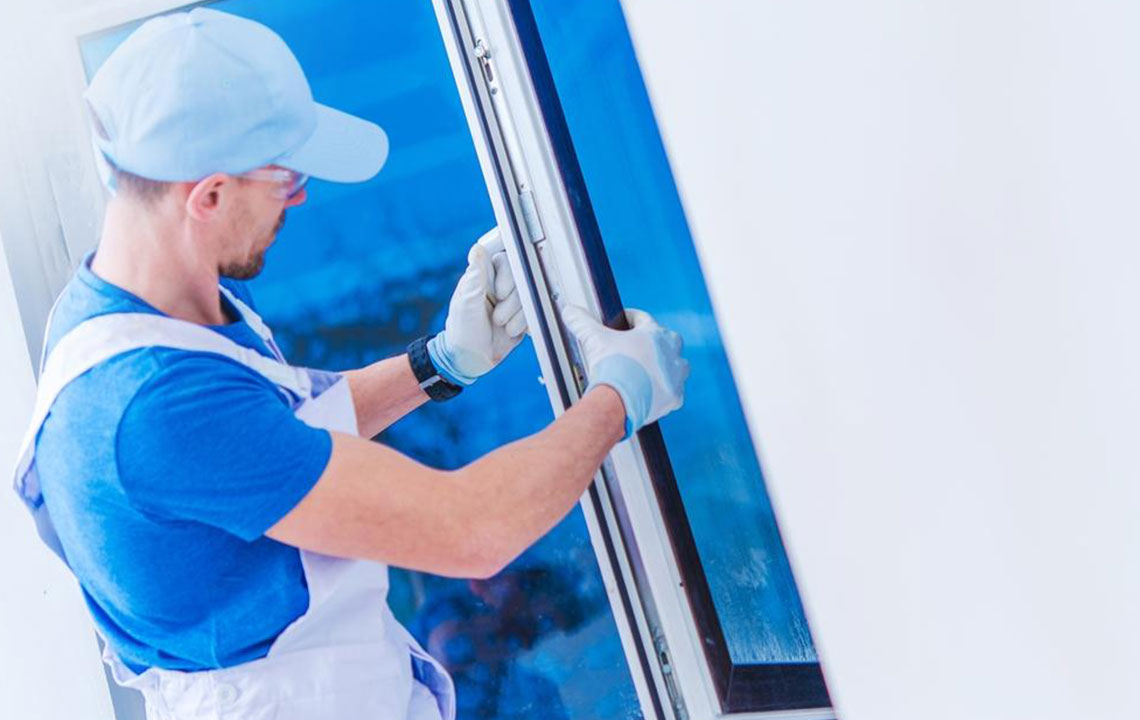
Even the most advanced energy-efficient windows can underperform if not installed correctly. Skilled installation prevents common issues such as air leaks, water intrusion, and thermal bridging, which can compromise insulation and increase energy requirements. Proper placement is equally important; it involves considering factors like insulation layers, reflective coatings, UV-blocking glass, and thermal barriers to optimize performance.
Apply reflective coatings to deflect summer heat and enhance cooling efficiency
Use glass layers designed to block harmful UV rays, protecting your furniture and reducing heat gain
Select windows with reflective coatings that retain interior heat during winter and shield cold winds
4. Strategic Window Placement for Energy Efficiency
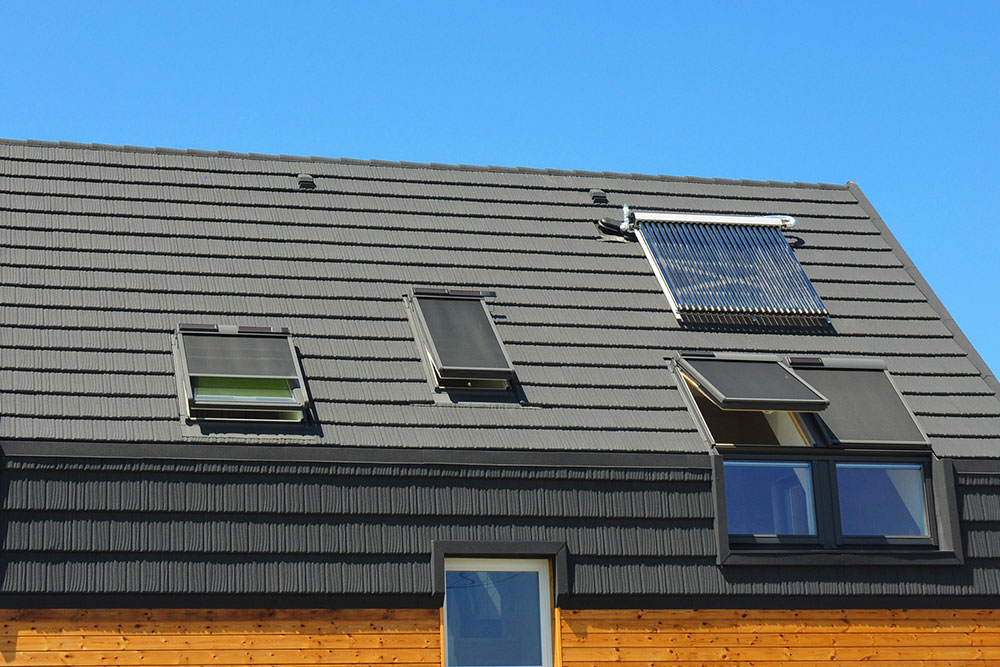
Optimizing window placement can dramatically influence a home’s energy consumption. Proper positioning allows natural sunlight to heat and illuminate rooms effectively, reducing reliance on artificial lighting and climate control systems. The orientation of windows should consider the local climate, sun path, shading elements like trees or awnings, and prevailing wind directions. Consulting with window installation professionals ensures your windows are positioned to maximize energy savings and indoor comfort.
Thoughtful placement can help balance daylight access and thermal insulation, lowering heating and cooling needs, especially in extreme climates.
Selecting the Best Frame Material
Window frames contribute significantly to overall insulation and durability. Common materials include wood, vinyl, aluminum, and fiberglass, each with unique properties. Wooden frames naturally have low thermal conductivity, making them excellent insulators, while fiberglass offers high durability and effective thermal regulation. Vinyl frames are cost-effective and require minimal maintenance, though their insulation capacity varies. Choosing the right frame material involves balancing aesthetic preferences, insulation needs, maintenance, and budget considerations.
Choosing the Appropriate Window Style
Different window styles serve diverse functional and aesthetic purposes while influencing energy performance. Casement windows typically seal tightly, providing better insulation against air leaks, making them very energy-efficient. Double-hung windows are traditional and versatile but may allow more air infiltration if not properly sealed. Picture windows, sliding windows, and tilt-turn designs also have distinct thermal characteristics. Your choice should factor in climate conditions, architectural harmony, ease of operation, and energy efficiency ratings to select the most suitable style for your household.
Ultimately, aligning window style with your home’s needs optimizes both comfort and energy savings, creating a cohesive and sustainable living environment.