Comprehensive Guide to Home Organization and Decluttering for Beginners
This comprehensive guide provides beginner-friendly tips on decluttering and home organization. It covers prioritizing problem areas, starting small, setting practical goals, sorting items effectively, digitizing paperwork, repairing items, breaking tasks into manageable steps, and developing sustainable habits. Engaging family or friends for support is also highlighted, making decluttering a more enjoyable and successful experience. By following these strategies, homeowners can create a healthier, more organized living environment that reduces stress and boosts productivity, ultimately transforming their homes into peaceful, functional sanctuaries.
Essential Home Organization Tips for Newcomers
Maintaining an organized home is vital for ensuring a clean, healthy environment while enhancing your overall quality of life. Over time, clutter tends to accumulate, turning your living space into a chaotic environment that can negatively impact your mental health, physical well-being, and daily productivity. Fortunately, adopting effective decluttering and organization strategies can transform your home into a peaceful, functional sanctuary. This extensive guide offers practical tips and detailed steps designed specifically for beginners who are eager to take control of their living space, create order, and sustain this organization long-term.
Clutter accumulation poses significant health risks, especially if not managed properly. Dust, bacteria, and pests thrive in messy environments, particularly in moist areas such as kitchens, bathrooms, or gardens. Mold and mildew can develop swiftly in these zones, leading to health issues like allergies, respiratory problems, or infections such as Salmonella or E. coli. Beyond health concerns, clutter also hampers productivity, increases stress, and wastes valuable space and resources. Therefore, learning effective decluttering techniques and home organization tips becomes essential for maintaining a safe, inviting, and efficient living environment.
Decluttering is more than just clearing space—it is a mindset shift that encourages mindful consumption, waste reduction, and eco-friendly habits. When your home is organized, you can find things easily, reduce time spent searching for items, and foster a more peaceful daily routine. Whether you’re tackling a small mess or a significant overhaul, these strategies will guide you through the process step by step. From prioritizing areas based on urgency to adopting sustainable habits, this comprehensive approach aims to make your home clutter-free and more enjoyable to live in.
Effective Strategies to Start Your Decluttering Journey
Identify and Prioritize Problem Areas
The first step in any decluttering process is pinpointing which areas need the most attention. Take a walk through your residence and assess each space—be it a specific room, cabinet, drawer, or shelf. Focus on zones where clutter is most apparent or causes the most frustration. These could be the cluttered kitchen countertop, the overflowing closet, or the disorganized garage. Listing these areas in order of importance or urgency helps you create a clear action plan, ensuring that you address the most chaotic zones first. This method allows you to make tangible progress and prevents feeling overwhelmed by trying to organize everything at once.
Start Small for Greater Success
Many beginners feel paralyzed by the magnitude of decluttering large spaces. To build confidence and maintain motivation, begin with the smallest or least cluttered areas. For example, start with a single drawer, a shelf, or a small closet. Completing these smaller tasks provides a quick win, boosting your morale and giving you a sense of accomplishment. These successful sessions also serve as learning opportunities to refine your decluttering techniques. As confidence grows, gradually move on to larger spaces such as the main closet, the kitchen pantry, or the basement. This incremental approach makes the entire process more manageable and less daunting.
Set Realistic and Practical Goals
Clutter removal and organization require time and patience. Setting unrealistic goals—such as cleaning an entire house in a single day—can lead to burnout and frustration. Instead, establish achievable targets, like dedicating 15-30 minutes daily or assigning specific rooms to certain days. Creating a schedule with clear milestones ensures consistent progress without overwhelming yourself. Remember, decluttering is not about perfection but about creating order that suits your lifestyle. Celebrate small successes along the way, and be prepared to adjust your goals as needed to fit your schedule and energy levels.
Implement Effective Sorting Techniques
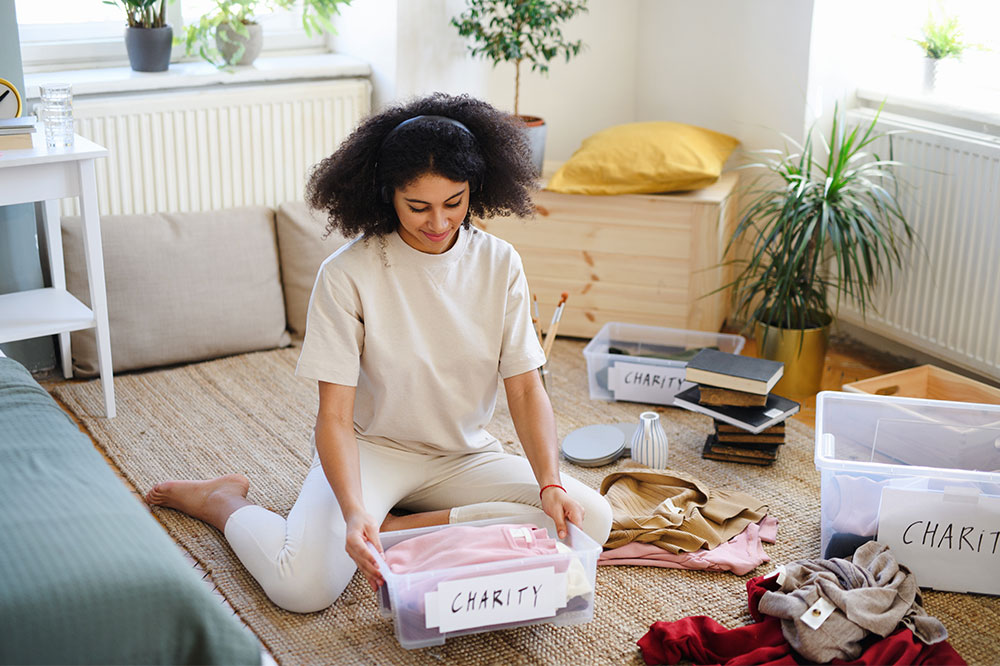
One of the most crucial aspects of decluttering is decisiveness. When handling each item, categorize it into broad groups such as 'Keep,' 'Recycle,' 'Donate,' or 'Discard.' To make this process smoother, develop categories based on usefulness, sentimental value, or current relevance. For instance, ask yourself if the item is useful today or if it holds sentimental importance. Items that no longer serve a purpose or hold sentimental value but are still in good condition can be donated or sold, benefiting both your space and others in need. For undecided items, consider setting a timer—often, making quick decisions is more effective than overthinking each object. This decisive approach speeds up the process and ensures decluttering remains productive.
Track Your Progress and Celebrate Achievements
Documenting your decluttering journey motivates continued effort and provides a visual record of your progress. Take before-and-after photos of each space, and consider sharing your achievements on social media or personal blogs. Tracking progress helps you recognize how far you have come and can serve as inspiration for others. Creating a journal or using digital apps to record tasks and milestones adds structure and accountability. Celebrate each decluttering success, no matter how small. Recognizing your efforts reinforces positive habits and encourages maintaining an organized home environment over the long term.
Digitize and Organize Paperwork
Paper clutter can quickly accumulate and become overwhelming. Reduce physical paper by digitizing important documents. Use a scanner or take quality photos to store files electronically on your computer or cloud services. Once digitized, securely delete or shred the physical copies to free up space. Managing digital files with labeled folders and backups ensures easy retrieval and reduces stress caused by misplaced papers. Additionally, consider setting routines to regularly review and organize your digital documents, preventing future clutter from piling up.
Repair and Maintain Items During Decluttering
While sorting through household items, you may encounter broken or malfunctioning objects. Address these issues immediately—repair or mend items that can be fixed. Not only does this prevent clutter from reaccumulating, but it also extends the lifespan of your possessions. For items beyond repair, dispose of them responsibly. This practice promotes sustainable habits and keeps your home tidy. Regularly fixing or maintaining belongings also fosters a sense of care and mindfulness about your possessions, reinforcing the importance of keeping only useful and functional items in your space.
Break Down Tasks to Avoid Overwhelm
Decluttering large areas can seem intimidating. Combat this by dividing the project into smaller, manageable tasks. Write a detailed plan or checklist—perhaps dedicating specific days to organizing different parts of your home. Use notebooks, mobile apps, or digital planners to outline each step. For example, allocate Monday for kitchen cabinets, Tuesday for the laundry area, and Wednesday for the basement storage. Tackling one task at a time prevents burnout and makes the overall process more achievable. Over time, these small steps accumulate into a comprehensively organized space.
Establish New Habits for Long-term Organization
Decluttering is not a one-off activity but an ongoing process. Use your experience to develop habits that prevent future clutter buildup. For instance, practice mindful shopping to avoid impulsive purchases, which are often the root cause of clutter. Make a habit of tidying up daily—spending just five to ten minutes maintaining order in high-traffic areas. Set reminders to revisit and reassess your organizational systems periodically. By cultivating these habits, you can sustain a clutter-free environment and enjoy a more organized, stress-free home over the years.
Seek Support and Collaboration
Decluttering can be more enjoyable and less overwhelming when undertaken with others. Invite family members, friends, or even hire professional organizers if needed. Working together can make the process faster and foster a sense of shared achievement. Plus, involving others can provide fresh perspectives and motivate each person to maintain organization. Sharing your progress with loved ones or online communities can also inspire and motivate others to pursue similar goals. Remember, decluttering is a journey that benefits from collaboration and support, making the process more enjoyable and sustainable.
Embarking on a home decluttering journey requires patience, commitment, and a strategic approach. Incorporating these comprehensive tips can help you create a beautiful, organized living space that promotes health, reduces stress, and enhances your daily living experience. Remember to move at your own pace, celebrate successes along the way, and develop habits that support long-term organization. With consistency and intention, your home can become a serene sanctuary that reflects your personal style and lifestyle needs.