Essential Ingredients in Lipstick Manufacturing: An In-Depth Guide
Discover the comprehensive overview of the six essential ingredients used in lipstick manufacturing. Learn how waxes, oils, shea butter, preservatives, pigments, and fragrances work together to create the perfect lipstick. This detailed guide covers the safety, effectiveness, and innovative trends in cosmetic formulations, helping consumers make informed choices. Whether you seek nourishing, long-lasting, or vibrant lip products, understanding these key ingredients enhances your beauty routine and highlights the craftsmanship behind your favorite lipsticks.
Fundamental Components Used in Crafting Lipstick
Lipstick remains one of the most iconic and popular makeup products worldwide, finding its way into nearly every woman’s cosmetic collection. Its rich history stretches back thousands of years, originating from ancient civilizations like Egypt, where it was a symbol of status and power. Over centuries, lipstick has evolved from a luxury adornment for the elite into a daily beauty essential accessible to women across all walks of life. Today, the cosmetic industry continuously innovates to produce lipsticks with diverse shades, textures, and formulations, driven by consumer preferences for quality and safety.
Ever wondered about the specific ingredients that give your lipstick its color, texture, and lasting power? Understanding these components can help consumers make informed choices regarding safety and suitability for their skin and lips. In this comprehensive guide, we explore the six key ingredients that are fundamental to lipstick manufacturing, revealing how each contributes to the final product’s appearance, durability, and user experience.
Wax
Wax forms the backbone of any lipstick, providing essential structure and shape. It helps the lipstick maintain its firmness when stored and ensures smooth application when applied to the lips. The most commonly used waxes include beeswax, candelilla wax, carnauba wax, and ozokerite. Beeswax, derived from bees, offers natural nourishment and a smooth finish. Candelilla and carnauba waxes are plant-based and are favored in vegan lipsticks, offering similar stability while also contributing to a softer texture. Ozokerite, a mineral wax, is used to add hardness and stability, especially in formulations requiring a more robust structure. These waxes also impact the lipstick’s firmness, gloss, and overall feel, making them indispensable in the formulation process.
Oils and Fats
Following the wax, a variety of oils and fats are added to improve the ease of application and enhance the melting point of the lipstick. These ingredients impart a silky, smooth texture to the product and prevent melting or deforming under high temperatures. Popular oils include mineral oil, lanolin, castor oil, and vegetable oils such as sunflower or soybean oil. Mineral oil is a petroleum-derived product known for its stability and ability to create a smooth glide on the lips. Lanolin, derived from sheep wool, offers excellent moisturizing properties. Castor oil is known for its thick consistency and high emollient content, which contributes to a glossy finish. Vegetable oils further support skin health, providing nourishment and hydration to dry or chapped lips. The right balance of oils and fats ensures comfortable wear, easy application, and the right consistency for various lipstick formulations.
Shea Butter
Incorporated for its remarkable regenerative and hydrating properties, shea butter is a staple in many lipstick formulas. Extracted from the nuts of the shea tree native to Africa, this natural ingredient is rich in fatty acids and vitamins A and E. It effectively soothes and heals chapped lips, maintaining softness and elasticity. Shea butter also acts as a natural barrier against environmental aggressors like cold, wind, and pollution. Its creamy texture adds to the richness of the lipstick, making application smoother and more comfortable. Consumers seeking lip products with added nourishing benefits often prefer formulas containing shea butter for its natural soothing and healing qualities.
Preservatives
To ensure longevity, stability, and safety, preservatives are crucial in lipstick formulations. These compounds inhibit microbial growth and prevent spoilage during storage, extending the product’s shelf life. While traditional preservatives include parabens and formaldehyde releasers, many brands are now opting for natural and organic preservatives, such as vitamin E (tocopherol) or rosemary extract, to reduce potential irritations or allergies. The choice of preservative depends on the formulation’s pH, ingredients, and targeted consumer preferences, emphasizing safety without compromising product integrity.
Pigments
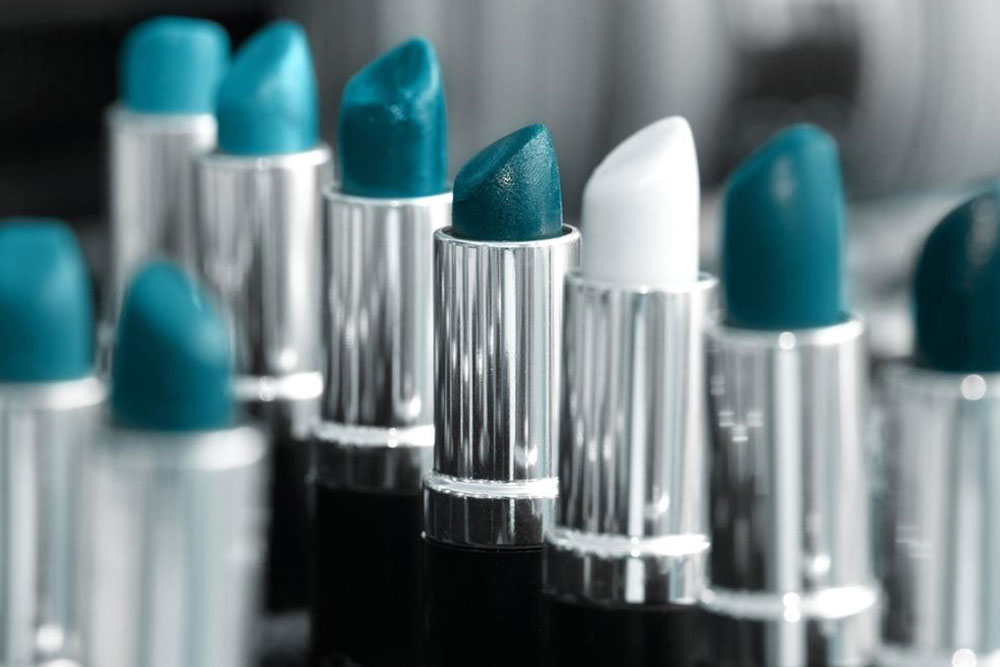
The vibrant colors seen in lipsticks are achieved through carefully selected pigments. These pigments are regulated and tested for safety, ensuring they are free from toxicity and suitable for oral contact. Red, pink, and peach shades are the most common, but popularity for bolder shades like purple or black has increased. Ingredients such as carmine—a natural red pigment derived from cochineal insects—or synthetic dyes provide intense coloration. The safety of these pigments is closely monitored, with bans or restrictions on certain substances in different regions. Pigments not only influence the color but also affect the opacity, finish, and durability of the lipstick, making their quality vital for both aesthetics and safety.
Fragrance
To enhance the user experience, fragrances are added to mask any potential odors from raw materials like waxes and pigments. Often derived from natural sources such as essential oils or botanical extracts, fragrances give the lipstick a pleasant aroma, increasing consumer appeal. Many brands prefer natural fragrances to avoid synthetic chemicals that might cause allergies or irritations. Fragrance levels are carefully adjusted to ensure they are not overpowering and do not interfere with the product’s safety or efficacy, providing a delightful sensorial experience with every application.
Understanding the blend of these six core components helps consumers appreciate the science behind their favorite lipsticks. Whether it’s the nourishing properties of shea butter or the structural support of waxes, each ingredient plays a crucial role in crafting a product that is not only beautiful but also safe and comfortable to wear. As the beauty industry continues to innovate, new formulations and ingredients emerge, aligning with trends toward natural, organic, and sustainable cosmetics. By choosing lipsticks made with quality ingredients, consumers can enjoy vibrant colors, long-lasting wear, and healthier lips.