Ultimate Guide to Choosing the Best Outdoor Grill for Your Backyard
Discover comprehensive tips for selecting the perfect outdoor grill, including considerations for fuel type, construction, heat control, and features. This guide helps home cooks find durable, efficient, and versatile grills suitable for all grilling styles, transforming your backyard into a culinary haven for family and friends. Make informed choices to enhance your outdoor cooking experience and enjoy delicious barbecues all year round.
Ultimate Guide to Choosing the Best Outdoor Grill for Your Backyard
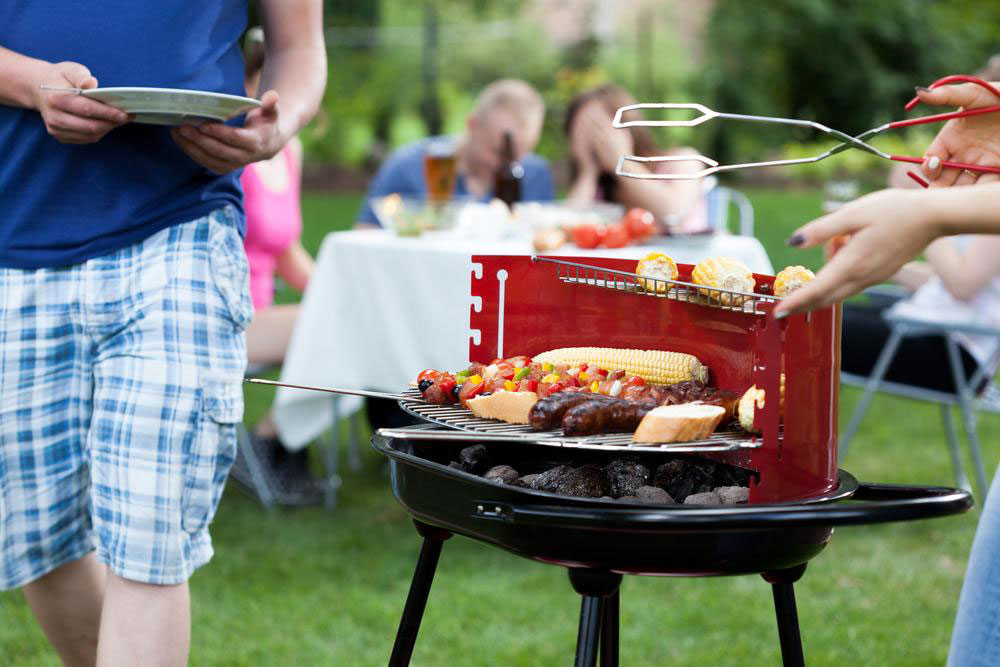
Entertaining family and friends with a perfectly grilled meal is one of the most enjoyable parts of home life. An outdoor grill transforms your backyard into a culinary paradise, offering endless possibilities for delicious barbecues, smoky meats, and flavorful vegetables. However, selecting the ideal outdoor grill can seem daunting given the variety of options on the market, ranging from gas and charcoal to infrared and pellet models. To help you make an informed decision, this comprehensive guide covers all the essential factors to consider when choosing the right outdoor grill that matches your lifestyle, cooking preferences, and backyard space.
Define Your Cooking Needs and Preferences
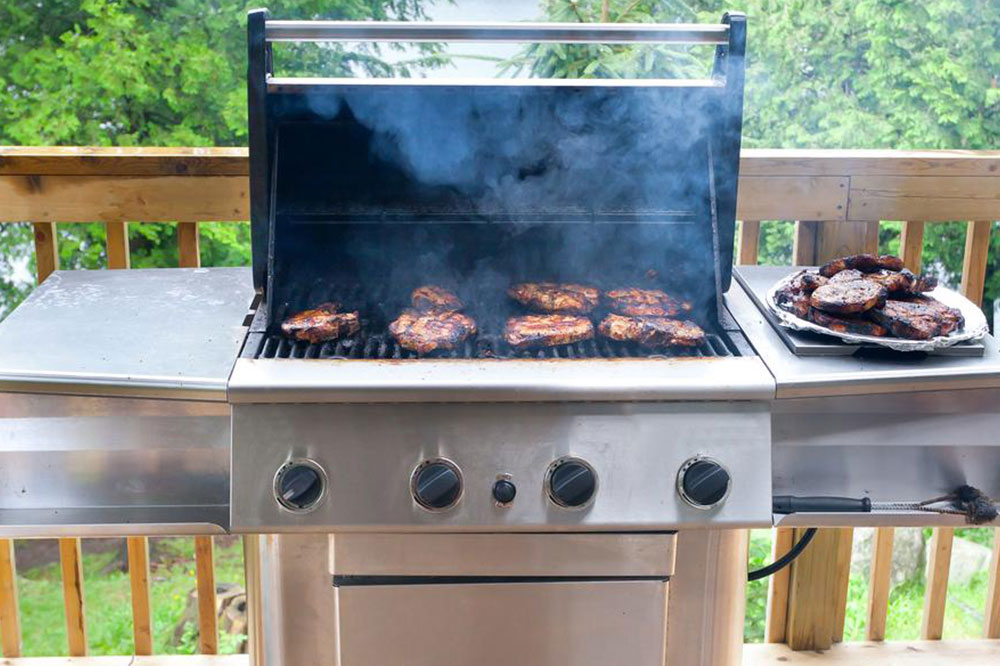
Before purchasing a grill, consider the types of dishes you most enjoy preparing. Are you a steak lover who wants perfect sear marks? Or do you enjoy slow-cooking ribs and smoking meats? If your culinary passion involves high-temperature grilling with sear marks, a gas grill with powerful burners may be the best choice. For those who appreciate the rich, smoky flavor of traditional smoked meats, wood pellet grills like Traeger offer excellent results, combining convenience with authentic smoky taste. For versatile cooking options—ranging from direct grilling of burgers to indirect roasting—look for models with adjustable heat zones and multiple burners.
Evaluate Heat Output and Temperature Control
An effective outdoor grill needs to reach and sustain high temperatures for searing steaks and burgers. Look for models featuring higher BTU ratings (British Thermal Units), which indicate the grill’s maximum heat capacity. A versatile grill should allow precise temperature control, enabling you to cook everything from quick sears at high heat to slow, indirect roasting at lower temperatures. If you plan to handle a diverse range of recipes, investing in a grill with multiple burners and independent temperature zones provides overall cooking flexibility.
Consider Fuel Type and Ease of Use
Choosing a fuel type—gas, charcoal, wood, or pellet—significantly impacts your grilling experience. Gas grills are known for convenience, quick startup, and consistent heat, making them popular among busy home cooks. Charcoal grills, on the other hand, deliver classic smoky flavor and high heat, but require more time and effort to ignite and maintain temperature. Pellet grills utilize compressed wood pellets and are appreciated for ease of use and exceptional smoky flavor, often featuring digital controllers for precise heat management. Assess your cooking style and preferences to pick the fuel type that fits your backyard lifestyle best.
Inspect Construction Quality and Material Durability
Durability is paramount when investing in a high-quality outdoor grill. Focus on construction materials such as stainless steel or cast iron, which resist rust and withstand harsh weather conditions. Examine the build quality: the frame should be stable, with a solid stand and non-wobbly lid. Mobility features, like sturdy wheels or casters, make it easier to reposition your grill as needed. Welded joints and thicker steel components generally ensure a longer lifespan and enhance overall reliability. Avoid lightweight or flimsy models that may deteriorate quickly with regular use and exposure to the elements.
Additional Features and Accessories
Modern grills come with a variety of additional features to enhance your grilling experience. These include side shelves for prep work, built-in thermometers for accurate temperature monitoring, storage cabinets, and convenient grease management systems. Consider whether you need accessories like rotisserie kits, smoker boxes, or infrared burners. Investing in these features can elevate your grilling, making it more enjoyable and efficient.
Another aspect worth considering is the warranty coverage. Reputable brands often offer warranties on burners, heat plates, and other critical components, providing peace of mind and ensuring long-term performance.
Budget Considerations and Long-Term Investment
While it’s tempting to opt for a budget-friendly grill, remember that a higher-quality machine may have higher initial costs but offers better durability, performance, and safety. Analyze your budget alongside the features that are essential for your cooking needs. Sometimes, investing a bit more upfront can save money in the long run through fewer repairs and replacements. Read customer reviews and seek recommendations to identify reliable models that offer the best value within your price range.
Conclusion: Making Your Final Choice
Choosing the right outdoor grill requires careful evaluation of your cooking preferences, space, budget, and desired features. Whether you favor gas, charcoal, pellet, or infrared grilling, there are options suited to every home cook. Prioritize durable construction, adequate heat output, and ease of maintenance to ensure years of outdoor culinary enjoyment. With the right outdoor grill, your backyard will become the favorite spot for family gatherings, celebrations, and memorable barbecues, elevating your outdoor living experience to new heights.