The Essential Guide: 6 Foods You Must Never Feed Your Indoor Cats
Protect your indoor cat by avoiding six common foods that can pose serious health risks. This detailed guide outlines dangerous items like chocolate, alcohol, raw meat, and more, offering practical advice on keeping your feline safe. Learn how to prevent accidental poisonings and ensure your pet's well-being with expert tips and essential knowledge about feline nutrition and safety.
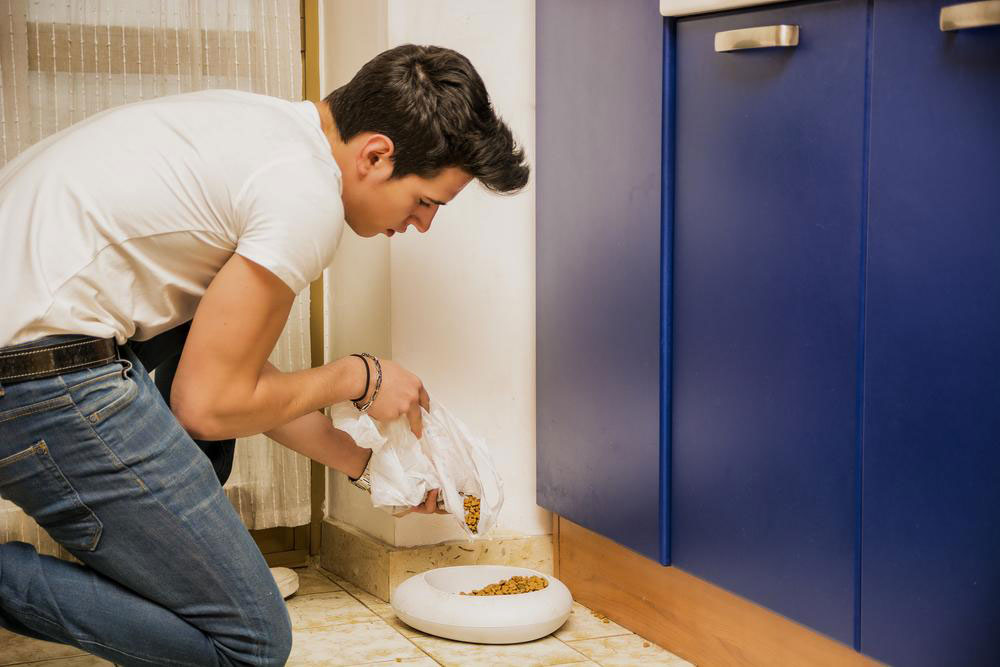
The Essential Guide: 6 Foods You Must Never Feed Your Indoor Cats
Caring for an indoor cat involves more than just providing shelter and regular play; it requires understanding their dietary needs and recognizing foods that are potentially lethal to them. While cats are known for their curious nature and seeming independence, they are highly sensitive to certain foods that can significantly harm their health. Most pet owners know that dry cat food is a staple, but many might overlook the dangers of sharing human food or leaving certain substances accessible. This comprehensive guide aims to inform pet owners about six common foods that should always be kept away from your feline companions to ensure their safety and well-being.
Alcohol: One of the most dangerous substances for cats is alcohol. Even a small amount can lead to severe intoxication, resulting in symptoms like vomiting, disorientation, difficulty breathing, and, in extreme cases, coma or death. Alcohol affects the central nervous system and vital organs such as the liver and kidneys in cats. Never attempt to share any alcoholic beverage with your pet, and ensure that alcohol-containing products are securely stored out of their reach.
Chocolate: Chocolate is a well-known toxin for both dogs and cats. Its primary toxic component, theobromine, can cause hyperactivity, tremors, increased heart rate, seizures, and even death in severe cases. Cats, although less likely to indulge in chocolate due to their taste preferences, can accidentally ingest it if left within reach. Keep all types of chocolate and cocoa products far away from your pets.
Chewy Candies and Sweets: Many candies contain xylitol, a sugar substitute that is highly toxic to cats. Ingestion can cause a dangerous drop in blood sugar, leading to weakness, seizures, liver failure, and even death. Additionally, sticky candies can cause choking or digestive problems. Always supervise candy consumption during festivities and keep such treats locked away from curious paws.
Raw Meat and Fish: While raw meat might seem tempting to give as a treat, it carries significant health risks. Raw meat can contain bacteria such as Salmonella or E. coli, which can cause severe infections. Raw fish, in particular, contains an enzyme called thiaminase, which destroys vitamin B1 (thiamine). A deficiency in thiamine can lead to neurological issues, including seizures. If you wish to include raw seafood or meat in your cat's diet, consult a veterinarian for safe preparation methods and appropriate supplementation.
Dog Food: Though it might be convenient to feed your cat leftovers or dog food, these are formulated differently and lack the specific nutrients cats need to thrive. Dog food usually has lower levels of protein, taurine, and certain vitamins essential for felines. Feeding your cat dog food regularly can lead to nutritional deficiencies, which may cause health problems such as poor coat condition, vision issues, or heart disease. Always provide specialized cat food to ensure your pet receives balanced nutrition.
Human Medications: Many medications safe for humans are toxic to cats. These include common drugs like acetaminophen, ibuprofen, and certain antidepressants. Accidental ingestion can result in poisoning, organ failure, or death. Always store medicines securely and administer only those prescribed by a veterinarian. If you suspect your cat has ingested any medication or toxic substance, seek emergency veterinary care immediately.
Preventing your indoor cat from consuming harmful foods requires vigilance and knowledge. If your feline friend eats any of the aforementioned foods, contact your veterinarian promptly to assess the situation and receive appropriate treatment. Keeping dangerous foods out of reach and understanding what to avoid can save your cat’s life and promote a long, healthy, and happy life.