Effective Desk Exercises to Increase Energy and Reduce Fatigue During Work
Discover easy and effective desk exercises that can enhance your energy, improve posture, and fight fatigue during your workday. Incorporating simple stretches targeting the neck, shoulders, chest, and legs helps boost circulation, reduce stiffness, and maintain overall health. Easy to perform and requiring minimal space, these exercises seamlessly fit into your daily routine, promoting a healthier, more active work life. Start today and enjoy increased vitality and well-being despite long hours at your desk.
Effective Desk Exercises to Increase Energy and Reduce Fatigue During Work
In today's fast-paced professional environment, many individuals spend the majority of their workday seated at a desk, often for extended periods. While this sedentary work style enables productivity, it unfortunately comes with significant health drawbacks if not managed properly. Prolonged sitting can have numerous adverse effects on your health, including poor circulation, muscle stiffness, and increased risks of chronic conditions such as obesity, diabetes, cardiovascular diseases, and musculoskeletal problems. Additionally, a lack of movement can compromise your immune system, making you more susceptible to illnesses.
Recognizing these risks, health experts strongly recommend integrating simple, easy-to-perform physical activities into your daily routine. These desk exercises are designed to boost circulation, improve posture, and elevate your energy levels, helping you combat fatigue and maintain overall wellness even during busy workdays.
Why Incorporate Desk Exercises?
Extended periods of inactivity can lead to muscle atrophy, joint stiffness, and decreased mental alertness. Moreover, sitting for long durations can cause tension buildup in the neck, shoulders, and back, which may result in pain and discomfort. Incorporating regular movement, even in small amounts, can significantly mitigate these issues. Desk exercises are convenient, require little to no equipment, and can be performed at your workspace without disrupting your workflow.
Superior Techniques for Desk-Based Fitness
Below is a comprehensive list of practical exercises that can be seamlessly added to your work routine. These movements not only enhance physical health but also help refresh your mind, leading to improved productivity and focus.
Neck Relief Exercises
Your neck is especially vulnerable to strain from prolonged screen time. Gentle neck stretches are highly effective in alleviating stiffness and tension. To perform these exercises, tilt your head slowly toward your shoulder without forcing it. Hold the position for 3-5 seconds before returning to the center. Repeat on the other side. Additionally, gently turn your head to look over your shoulder for 10-15 seconds to release built-up tension. A chin tuck exercise—where you gently pull your chin toward your chest—can also help stretch the back of your neck. Swaying your head from side to side adds further relief, reducing discomfort caused by poor posture.
Shoulder Flexibility Enhancers
Shoulder stiffness often results from slouching or hunching over the keyboard. To counteract this, incorporate shoulder shrugs into your routine. Raise your shoulders toward your ears, hold for 2-3 seconds, then relax completely. Repeat this movement ten times to loosen tight muscles. Standing or sitting upright while doing shoulder rolls—rotating your shoulders forward and backward—can also help increase flexibility and reduce soreness in the upper back and shoulders.
Stretching the Chest
Poor posture often causes the chest muscles to tighten, leading to a hunched appearance. To stretch and open your chest, clasp your hands behind your back, then gently pull your hands downward and away from your body. Hold this stretch for 10-15 seconds. This exercise helps counteract the effects of slouching and promotes better posture, which can alleviate neck and back pain.
Full-Body Stretching
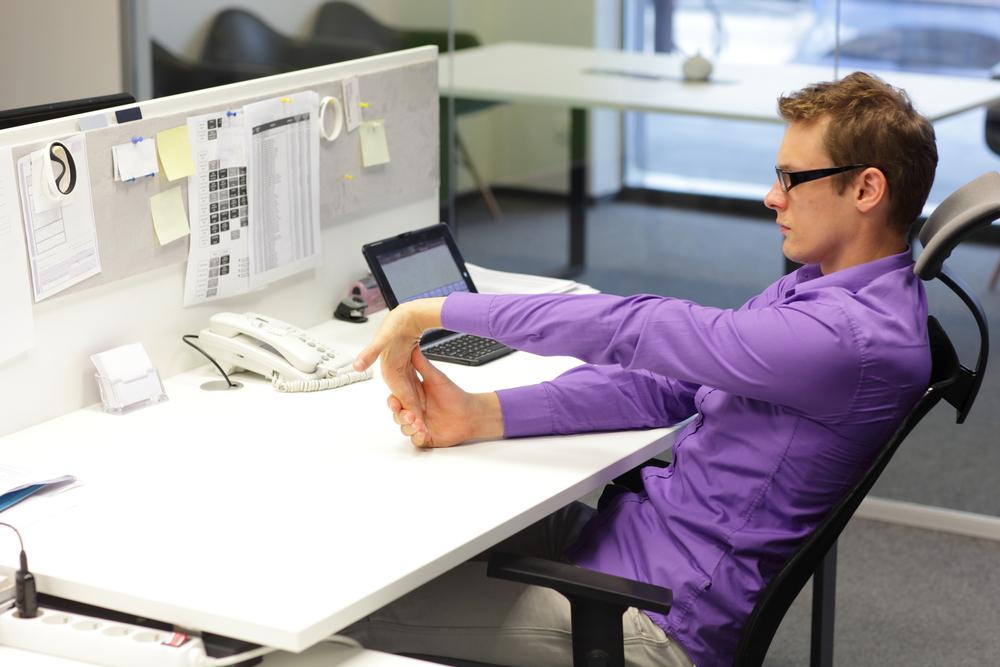
Stretching your upper and lower body helps stimulate blood flow and reduces muscle tension. Raise your arms above your head with interlaced fingers, then gently bend forward from the hips, aiming to touch your toes. This movement stretches the back, hamstrings, and calves, providing a full-body refresh. Incorporate deep breathing to enhance relaxation and oxygen intake, boosting your energy further.
Leg Movements for Circulation
Legs are often neglected during sitting hours, leading to poor circulation. Elevate one leg at a time, bringing it close to your chest and holding for 5-10 seconds. Alternate legs to improve blood flow and reduce stiffness. Another effective exercise is seated calf raises—raising your heels while keeping your toes on the ground, which activates calf muscles and promotes healthy circulation.
Additional Tips for a Healthier Work Routine
Beyond dedicated exercises, small lifestyle adjustments can make a significant difference. Use the stairs instead of elevators whenever possible, and take brisk short walks around your office or home to keep active. Consider cycling or walking short distances instead of driving to increase daily activity levels. Remember, hydration is vital; drinking plenty of water throughout the day helps maintain energy and supports bodily functions.
Implementing these simple yet effective exercises into your daily work schedule can dramatically improve your physical health, boost your energy levels, and reduce fatigue. Taking just a few minutes every hour to stretch or move can lead to long-term benefits, including better posture, reduced pain, and enhanced overall well-being. Your health doesn't have to take a backseat during busy workdays—small efforts lead to significant improvements.