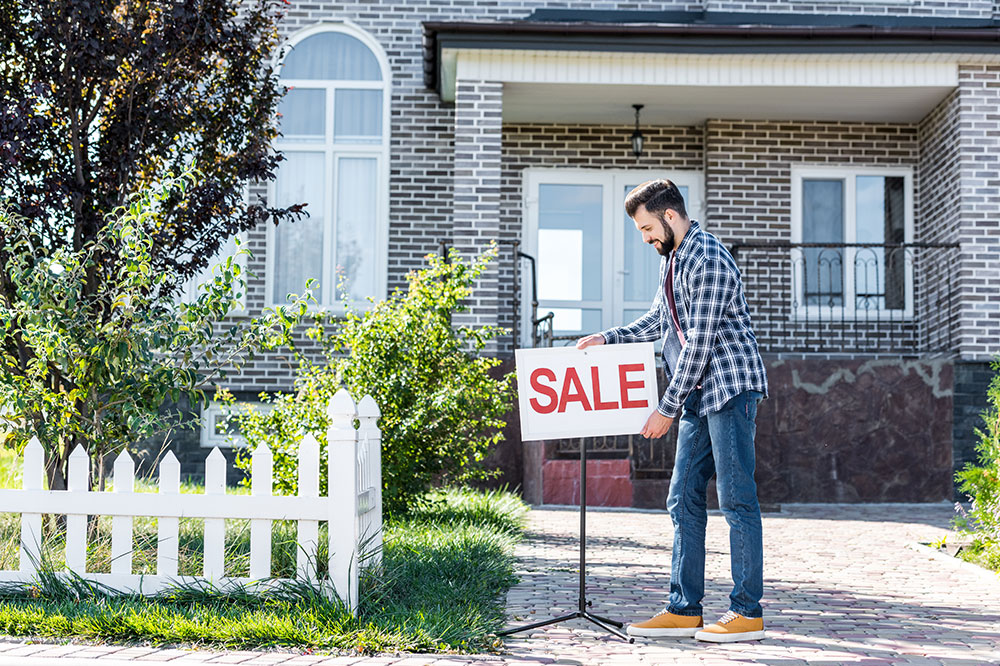
Essential Tips to Avoid Common Pitfalls When Selling Your Home
Selling your home successfully requires careful planning and avoiding common mistakes. This comprehensive guide explores five critical errors home sellers should steer clear of, including inadequate preparation, improper pricing, and buyer qualification issues. By following expert tips and strategies, you can streamline your selling process, attract serious buyers, and maximize your profits. From staging your property to conducting pre-listing inspections, this article covers essential steps to ensure a smooth, profitable sale and a rewarding transition to your next home or investment opportunity.
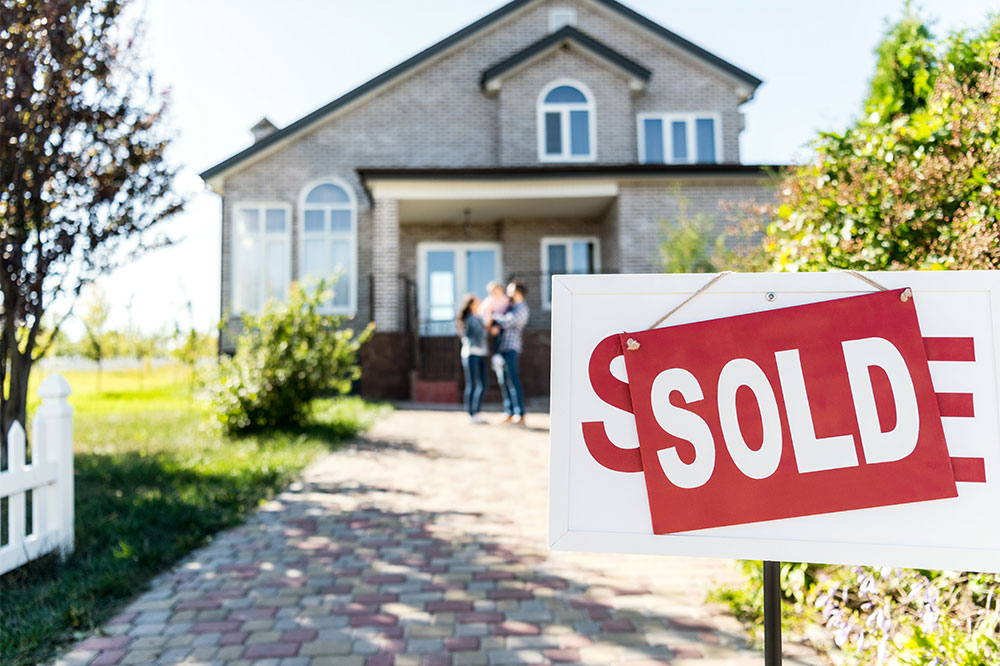
Essential Tips to Avoid Common Pitfalls When Selling Your Home
Selling a property is a major milestone in anyone’s life, often accompanied by a mix of excitement, anxiety, and anticipation. It involves not just finding the right buyer but also navigating a complex process that can significantly impact your financial situation and personal circumstances. If you want to ensure a smooth sale and maximize your profit, it’s crucial to be strategic and informed about potential mistakes that many sellers make along the way. This comprehensive guide delves into the top five mistakes to avoid when putting your home on the market, providing you with practical advice to streamline your selling experience and secure the best possible deal.
1. Insufficient Preparation Before Listing Your Property
One of the most common errors homeowners make is not properly preparing their house before listing it for sale. First impressions are vital; a well-maintained, clean, and appealing property attracts more prospective buyers. Before you list your home, conduct a thorough inspection to identify and address any repairs or maintenance issues that could deter buyers. This includes fixing leaky faucets, repairing broken tiles, repainting chipped walls, and ensuring all appliances and fixtures are in working order.
Moreover, staging your home to highlight its best features can make a significant difference. Decluttering spaces, depersonalizing decor, and creating a welcoming ambiance help buyers envision themselves living there. Professional photographs are essential as well — high-quality images that showcase your property's spaciousness, lighting, and unique features can drastically increase online interest. Remember, your listing’s visual appeal can make or break the initial impression.
During negotiations, maintaining objectivity is critical. Emotional attachment to your home can cloud judgment, leading to poor decision-making. To stay balanced, consider bringing a trusted friend, family member, or a real estate professional into discussions. This outside perspective can help you stay focused on your financial goals rather than sentimentality.
Pricing your property appropriately is perhaps the most crucial step in the selling process. Conduct thorough market research to understand current trends and comparable sales in your neighborhood. An overpriced home can discourage serious buyers, causing your property to sit on the market longer. Conversely, setting too low a price might expedite the sale but at the expense of your potential profit. Striking a balance ensures that your home is attractive to the right buyers while maximizing your return.
Another often-overlooked aspect is verifying the credibility and financial capability of potential buyers. Always request pre-approval letters from lenders or recent proof of funds to confirm they are qualified to purchase your home. This step helps you avoid wasting time with unqualified interest and reduces the likelihood of deals falling through at the last minute, making your selling process more predictable and efficient.
Pre-listing inspections are a wise investment that many sellers neglect. Having your home inspected by a professional before listing allows you to identify and fix issues proactively. Addressing problems early in the process minimizes surprises during negotiations, accelerates closing timelines, and can even enhance the value of your property. Transparency about your home's condition can build trust with buyers and facilitate smoother transactions.
In summary, avoiding these common mistakes can significantly improve your chances of a successful, profitable home sale. Proper preparation, accurate pricing, buyer verification, and proactive inspections are strategic steps that can save you time, reduce stress, and increase your financial gains. Equipped with this knowledge, you can confidently navigate the selling process and ensure a seamless transition to your next chapter.