Comprehensive Guide to Selecting the Ideal Bathroom Sink Types
Choosing the right bathroom sink is essential for both style and functionality. This guide covers various types including wall-mounted, pedestal, top-mount, and undermount sinks, highlighting their advantages and ideal uses. Whether you have a small bathroom or a spacious master, understanding these options helps you make an informed decision. We explore installation considerations, aesthetic appeal, and practical benefits to help you select the perfect sink for your bathroom renovation or upgrade. Learn how to optimize space and style with the right sink type.
Comprehensive Guide to Selecting the Ideal Bathroom Sink Types
Choosing the right bathroom sink is a crucial step in designing a functional and stylish bathroom space. With a multitude of sink options available, each offering different features, aesthetics, and functionalities, making an informed decision can seem overwhelming. This comprehensive guide aims to help homeowners, renovators, and interior designers understand the various types of bathroom sinks, their advantages, disadvantages, and which options work best for different bathroom sizes and usage needs. Whether you're upgrading a master ensuite, designing a guest powder room, or considering a small bathroom renovation, understanding your sink choices will help create a seamless and satisfying bathroom environment.
Wall-mounted Sinks: Space-Savers with a Modern Edge
Wall-mounted sinks are an excellent choice for small or minimalist bathrooms. These fixtures attach directly to the wall, eliminating the need for a vanity or countertop base. The installation involves affixing the sink to the wall, with plumbing concealed within the wall cavity. This design creates a clean, uncluttered appearance that maximizes available space, making it especially suitable for compact bathrooms or areas where floor space optimization is a priority. Additionally, wall-mounted sinks facilitate easier cleaning underneath and around the fixture, contributing to better hygiene and maintenance.
Advantages and Disadvantages of Wall-mounted Sinks
Advantages: They provide valuable floor space, ideal for small bathrooms; contribute to a modern, sleek aesthetic; improve cleaning convenience underneath the sink; allow flexible height installation.
Drawbacks: Limited storage options since there is no built-in cabinet; requires wall modifications for plumbing; may have a higher initial installation cost due to wall work involved.
Pedestal Sinks: Classic Style with Concealed Plumbing
Pedestal sinks combine timeless design with practical functionality. They consist of a basin supported by a vertical pedestal that conceals the plumbing behind. These sinks are perfect for bathrooms where space is limited but a more traditional or vintage aesthetic is desired. The design provides a streamlined look that enhances visual space without sacrificing style. However, while pedestal sinks are visually appealing, they offer limited surface area for toiletries and minimal storage options, which could be a concern in busy households. Cleaning around the base of the pedestal can sometimes be tricky due to the narrow gap between the sink and the wall.
Top-mount Sinks: Budget-Friendly and Versatile
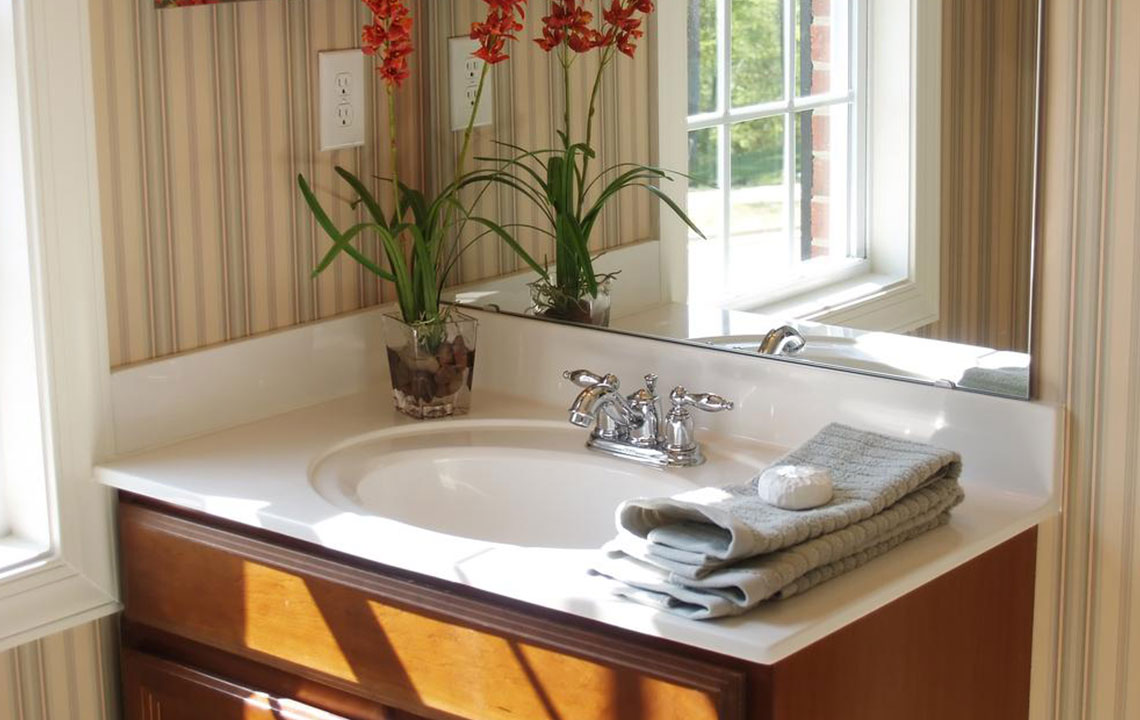
Also known as drop-in sinks, top-mount sinks are installed by dropping into a pre-cut hole on the countertop, with the rim resting on the surface. They are highly versatile, compatible with various countertop materials—including wood, laminate, and solid surface—and are widely used due to their affordability and ease of installation. The exposed rim provides a neat edge that prevents water from spilling over the countertop, helping to keep the unit sealed against water damage. While they are generally straightforward to install and replace, cleaning around the rim can sometimes be a minor challenge, especially if the rim accumulates grime or water spots.
Undermount Sinks: Sleek Appearance with Practical Benefits
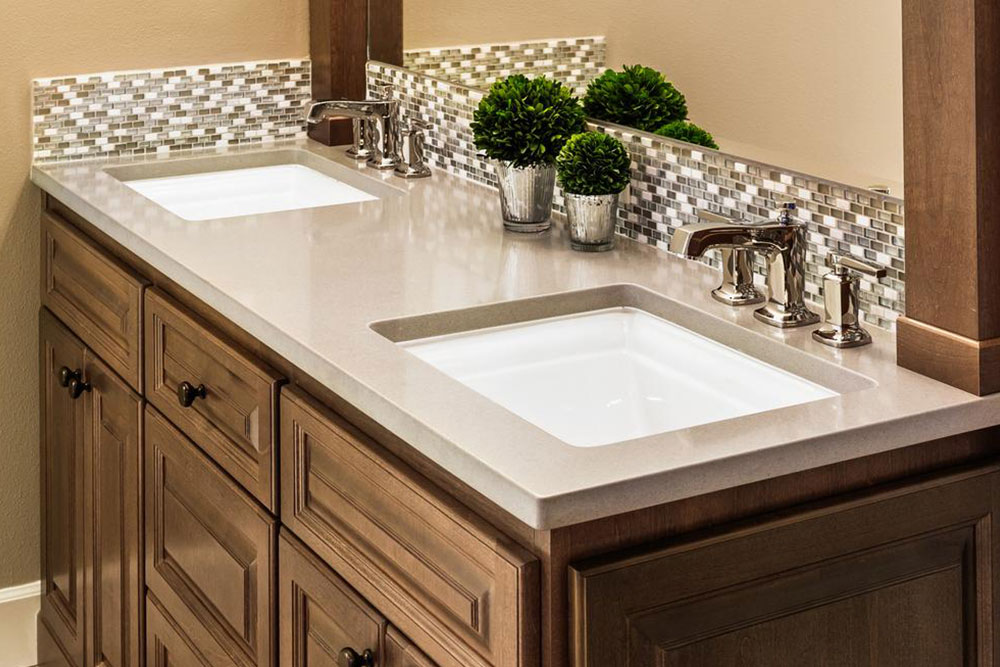
Undermount sinks are installed beneath the countertop surface, providing a seamless and modern look that can significantly elevate the aesthetic of any bathroom. These sinks are typically used with solid surface, granite, or quartz countertops that are durable enough to support the installation. One of the key benefits of undermount sinks is their ease of cleaning—without a rim trapping debris or spills, maintaining hygiene becomes simpler. They are especially popular in contemporary bathroom designs and are ideal for families because of their durability and style. However, undermount sinks tend to be more expensive and require precise installation, often necessitating professional help due to the complexity involved.
Apart from these main types, there are numerous other options that cater to specific tastes and functional requirements. For instance, drop-in sinks combine features of top-mount models with aesthetic variations, while touchless and vessel sinks offer high-end, innovative features that appeal to modern homeowners. Each type comes with its own set of advantages and considerations, making it essential to evaluate your bathroom size, style preference, budget, and usage frequency when selecting the perfect sink.
In addition to the sink basin itself, faucet choices can also influence your bathroom’s overall look and functionality. Options like wall-mounted faucets, single-handle or dual-handle setups, and touchless models can complement your sink style and improve user experience. When choosing your bathroom sink, consider not only the design but also the practicality, ease of maintenance, and potential to integrate with other elements in your bathroom scheme for a cohesive and functional space.