Effective Strategies: 5 Natural Foods to Manage Cholesterol Levels
Discover natural and effective ways to control your cholesterol with these five essential foods. Learn how oats, avocados, fatty fish, olive oil, and nuts can help improve your heart health. Incorporate these delicious options into your daily diet and reduce the risk of cardiovascular disease naturally. A comprehensive guide to maintaining healthy cholesterol levels through diet and lifestyle choices.
Effective Strategies: 5 Natural Foods to Manage Cholesterol Levels
Cholesterol, a waxy, fat-like substance produced naturally by our bodies, plays an essential role in building cell membranes and producing hormones. However, when cholesterol levels become too high, it can lead to serious health issues, particularly heart disease. An excess of low-density lipoprotein (LDL) cholesterol, often termed 'bad' cholesterol, tends to deposit on arterial walls, causing blockages that impede blood flow. Conversely, high-density lipoprotein (HDL), known as 'good' cholesterol, helps remove excess cholesterol from the bloodstream, offering protective benefits. Maintaining a healthy balance between LDL and HDL cholesterol is crucial for cardiovascular health. Fortunately, diet plays a vital part in managing cholesterol levels naturally. Incorporating specific foods known for their cholesterol-lowering properties can significantly reduce the risk of cardiovascular complications while promoting overall well-being.
Understanding the impact of diet on cholesterol management is essential. Here are five powerful foods that, when integrated into your daily routine, can help keep your cholesterol in check and support your heart health. These foods are not only effective but also delicious and easy to include in various meals, making healthy living more accessible and enjoyable.
Oats and High-Soluble Fiber Foods
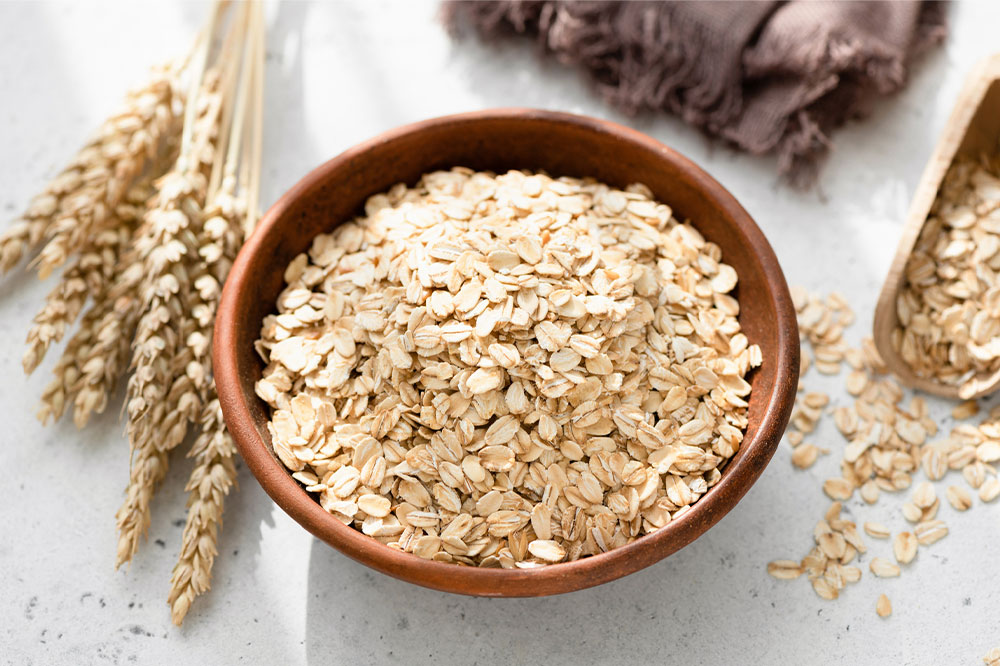
Oats are renowned for their high soluble fiber content, which is instrumental in lowering LDL cholesterol. Soluble fiber binds to cholesterol molecules in the digestive system, preventing their absorption into the bloodstream and aiding in their removal from the body. Incorporating oats into breakfast options, such as oatmeal or oat-based smoothies, can be highly beneficial. Adding fresh fruits like berries or bananas enhances both flavor and nutritional value. Other excellent sources of soluble fiber include kidney beans, Brussels sprouts, apples, and pears. Regularly consuming these foods can gradually improve your cholesterol profile and bolster heart health.
Avocados and Heart-Healthy Monounsaturated Fats
Avocados are a rich source of monounsaturated fats, which are known to increase HDL cholesterol and reduce LDL cholesterol levels. These healthy fats help improve overall lipid profiles, supporting cardiovascular health. Consuming ripe avocados on whole-wheat toast, blending them into smoothies, or adding slices to salads are simple ways to enjoy their benefits. Their creamy texture makes them an appealing addition to various meals. Additionally, avocado consumption has been linked to reduced inflammation and improved blood vessel function, further contributing to heart health. Regular inclusion of avocados can be a tasty and effective strategy to maintain healthy cholesterol levels naturally.
Fatty Fish and Omega-3 Fatty Acids
Fatty fish such as salmon, mackerel, herring, tuna, and trout are packed with omega-3 fatty acids, which play a crucial role in reducing triglycerides and lowering the risk of heart disease. Omega-3s help decrease inflammation and prevent the formation of blood clots, making them vital for cardiovascular protection. Preparing these fish by grilling, steaming, or baking preserves their beneficial properties without added fats. Incorporating fatty fish into your meals at least twice a week can lead to significant improvements in your cholesterol profile and overall heart health. For those who prefer plant-based options, omega-3 supplements derived from algae or flaxseed can be excellent alternatives.
Olive Oil and Antioxidant Power
Extra virgin olive oil is celebrated worldwide for its health benefits, particularly for cardiovascular health. It contains high levels of monounsaturated fats and powerful antioxidants, such as polyphenols, which contribute to lowering LDL cholesterol levels without affecting HDL. Using olive oil in salads, as a finishing touch for cooked vegetables, or for sautéing provides a heart-healthy alternative to saturated fats. Its antioxidant properties also combat oxidative stress and inflammation, critical factors in the development of atherosclerosis. Replacing hydrogenated or processed oils with olive oil is a simple yet impactful change that can help you maintain healthy cholesterol and protect your heart over the long term.
Nuts and Heart-Healthy Snacks
Nuts such as almonds, walnuts, pistachios, pecans, and macadamias are nutrient-dense foods that support healthy cholesterol levels. Regular consumption of nuts has been shown to increase HDL cholesterol while reducing LDL cholesterol, thanks to their healthy fats, fiber, and antioxidant content. They serve as excellent snack options, providing satiety and nutritional benefits without unhealthy fats. Incorporating a small handful of nuts into your daily diet can help improve your lipid profile and reduce cardiovascular risk. Be mindful of portion sizes, as nuts are calorie-dense. These natural heart-healthy snacks are easy to carry, versatile, and beneficial for long-term health.
In conclusion, managing cholesterol levels effectively involves a combination of dietary choices, lifestyle modifications, and overall healthy habits. Including foods such as oats, avocados, fatty fish, olive oil, and nuts can provide a natural approach to keeping your cholesterol balanced and your heart healthy. Remember, consistency is key. By making these foods staples in your diet and maintaining an active lifestyle, you can significantly reduce your risk of heart disease and enjoy a longer, healthier life.