Effective Natural Strategies to Manage Psoriasis Symptoms at Home
Explore comprehensive natural remedies for managing psoriasis symptoms at home. From turmeric and apple cider vinegar to aloe vera and omega-3 supplements, learn how these safe, effective strategies can soothe inflammation, reduce itching, and improve skin health. Always consult health professionals before starting new treatments for optimal results and safety.
Holistic Approaches to Alleviate Psoriasis Discomfort Naturally
Psoriasis is a persistent autoimmune skin disorder characterized by the development of dry, flaky patches that often become itchy, inflamed, and uncomfortable. While there is currently no known cure for this condition, its symptoms tend to fluctuate, featuring periods of intense flare-ups that can last for weeks, interspersed with times of remission where the skin appears relatively normal. Managing psoriasis effectively often involves a combination of medical treatments and lifestyle adjustments. Among these, natural herbal and home remedies have gained popularity as complementary methods for easing discomfort and reducing inflammation. While these approaches are not definitive cures, they can significantly improve quality of life by soothing symptoms. It is crucial to consult healthcare professionals before incorporating new treatments into your routine to ensure safety and proper management.
Here are five natural strategies that can help mitigate psoriasis symptoms such as skin inflammation, itching, and scaling. Each method leverages natural ingredients known for their healing properties and minimal side effects when used properly:
Turmeric: This bright yellow spice is renowned for its potent anti-inflammatory and antioxidant properties, primarily due to its active compound, curcumin. Regularly incorporating turmeric into your diet—through curries, teas, or smoothies—or taking curcumin supplements may help reduce the frequency and severity of psoriasis flare-ups. Additionally, emerging evidence suggests that curcumin can influence gene expression related to inflammatory processes in skin cells, potentially moderating disease activity. When utilizing turmeric, consult your healthcare provider to determine the appropriate dosage, especially when opting for supplements. Remember that turmeric can stain skin and fabrics, so use it carefully.
Incorporating turmeric into your daily meals or supplement regimen is a simple and effective way to tap into its anti-inflammatory benefits. However, always seek medical advice to avoid interactions with other medications and to tailor the treatment to your specific condition.
Apple Cider Vinegar: Widely regarded as a natural remedy for various ailments, apple cider vinegar contains acetic acid, which possesses antimicrobial and anti-inflammatory qualities. When diluted properly, apple cider vinegar can soothe scalp irritation and reduce itching caused by psoriasis. It is commonly used as a rinse or soak—for example, by mixing one part vinegar with two parts water—and applied directly to the scalp or affected skin. It is essential to use a diluted solution because concentrated vinegar can cause skin irritation or burns. After using apple cider vinegar, applying a gentle moisturizer helps prevent dryness and enhances skin healing. Although many find relief with this method, individual reactions vary; always do a patch test before full application.
This natural approach offers an accessible, inexpensive way to manage scalp psoriasis symptoms, especially when integrated into a comprehensive skincare routine. Proper dilution and cautious application are key to avoiding adverse effects.
Tea Tree Oil: Extracted from the Melaleuca alternifolia plant, tea tree oil is renowned for its potent antibacterial, antifungal, and anti-inflammatory properties. Its use on psoriasis, particularly on scalp lesions, has proven beneficial in reducing inflammation, preventing secondary infections from scratching, and alleviating discomfort. To utilize tea tree oil effectively, dilute a few drops in a carrier oil such as coconut or jojoba oil, and gently apply to affected areas. Direct application without dilution can cause skin irritation or allergic reactions, so always perform a patch test before widespread use. Regular application can help reduce scaling and redness, making it a natural adjunct to other treatments.
Tea tree oil's antifungal and antimicrobial activity makes it especially useful for preventing infections that can complicate psoriasis lesions. Incorporating it into your skincare routine with proper dilution enhances safety and efficacy.
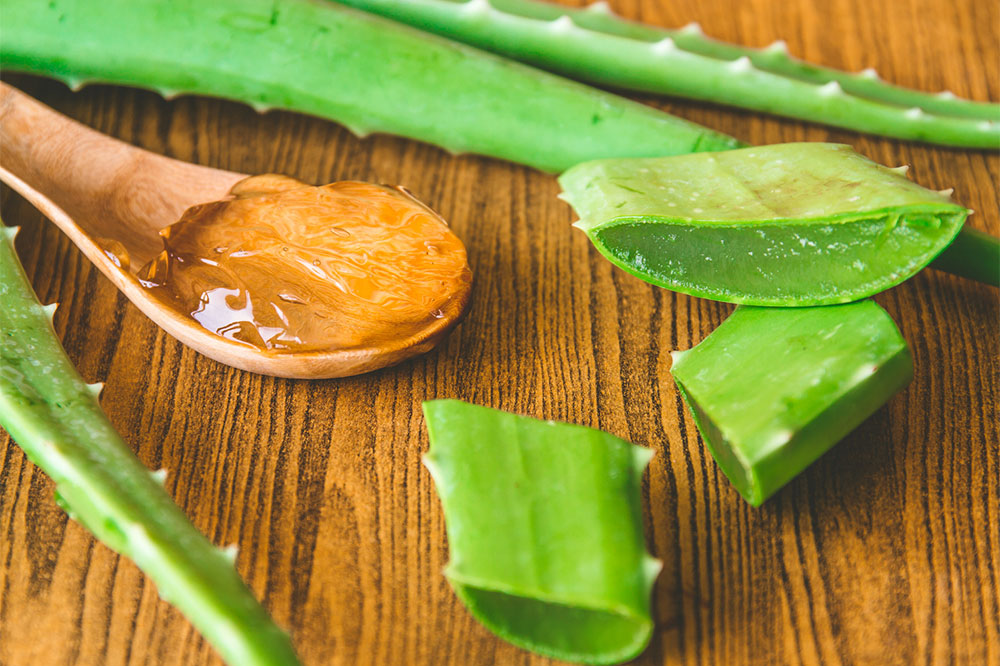
Aloe Vera: Known for its soothing and healing effects, aloe vera gel is a popular remedy for skin conditions, including psoriasis. The gel contains compounds that can promote skin regeneration, reduce redness, and decrease scaling. For best results, use natural aloe vera gel directly from the plant or select products with high aloe content (95% or higher). Applying the gel gently to the affected areas several times daily can help soothe irritated skin, alleviate itching, and support healing. The anti-inflammatory constituents, such as acemannan, make aloe vera particularly effective in calming flare-ups. Additionally, aloe vera’s moisturizing properties help combat dryness and prevent further skin cracking.
Consistent topical use of aloe vera offers a natural way to improve skin hydration, reduce inflammation, and promote healing. Combining aloe vera with other natural remedies can maximize therapeutic benefits.
Fish Oil: Rich in omega-3 fatty acids, fish oil supplements have been extensively researched for their anti-inflammatory effects. Psoriasis involves a heightened immune response leading to skin inflammation and scaling; omega-3s help modulate this immune activity, thereby reducing symptoms. Incorporating fatty fish such as salmon, mackerel, or sardines into your diet two to three times weekly can boost your omega-3 intake naturally. For those who prefer supplements, high-quality fish oil capsules are a convenient option—just ensure they are purified to remove contaminants. Vegetarian sources like flaxseed, walnuts, and chia seeds also provide omega-3 fatty acids, which contribute to reducing inflammation and improving skin health.
Adopting a diet rich in omega-3s, along with topical treatments, can significantly reduce psoriasis severity and improve skin appearance over time. Always consult your healthcare provider before starting new supplements, especially if you are taking medications.
These natural remedies, when used consistently and appropriately, can serve as valuable adjuncts to conventional medical treatments, easing inflammation, and improving overall skin health. While results may take several months to become noticeable, patience and adherence to an integrated approach can lead to sustained relief. Remember to consult with your dermatologist or healthcare professional before initiating any new home therapies to ensure they are suitable for your specific condition and do not interfere with existing treatments.