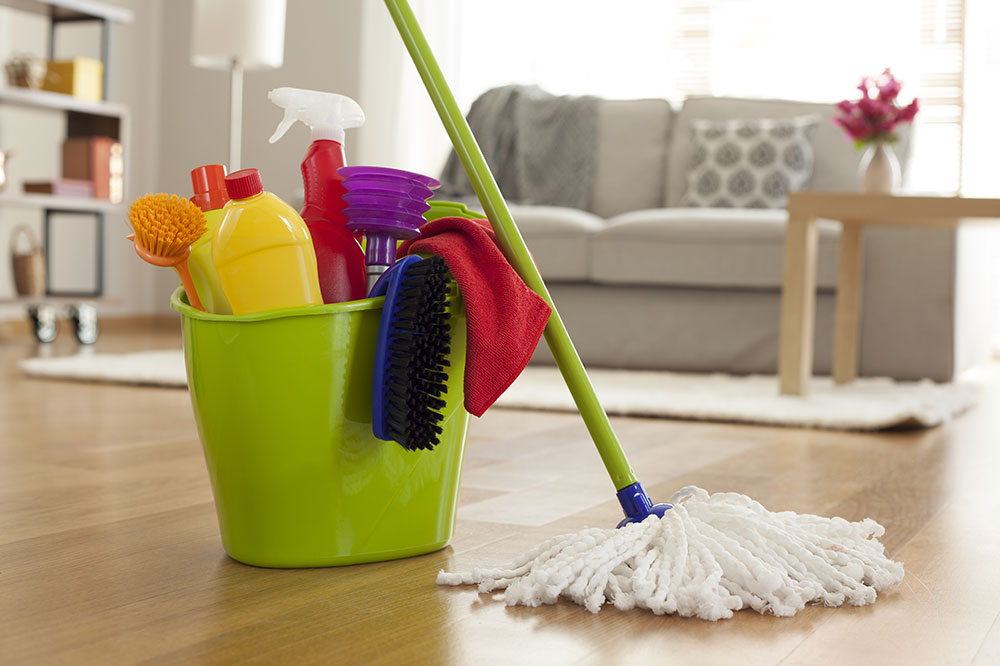
The 5 Most Common Home Cleaning Mistakes That Could Harm Your Hygiene and How to Avoid Them
Discover the top five cleaning mistakes that can jeopardize your home’s hygiene and learn practical strategies to avoid them. From proper stain removal techniques to effective disinfection and ventilation practices, this comprehensive guide helps you create a cleaner, healthier living environment. Implementing these expert tips can reduce bacteria, prevent cross-contamination, and improve overall sanitation, ensuring your home stays safe for your family. Read on to optimize your cleaning routines and maintain impeccable hygiene standards in every corner of your home.
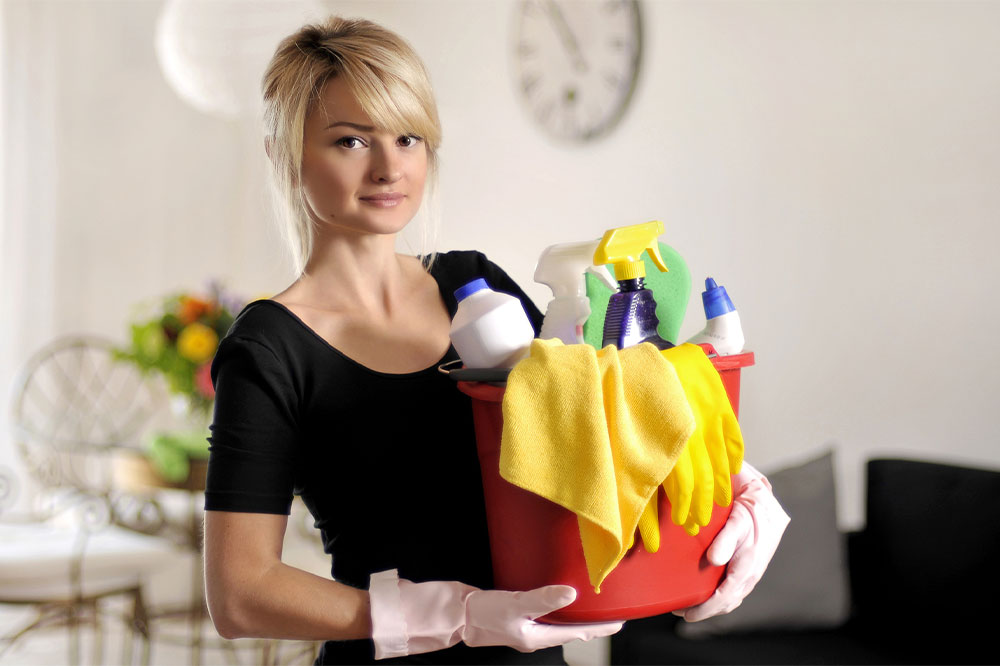
Understanding the Top 5 Mistakes That Undermine Your Home’s Hygiene Standards
Maintaining a clean and hygienic home is a fundamental priority for families and individuals alike. A clean living environment not only enhances your physical health by reducing exposure to harmful germs and bacteria but also improves mental well-being by creating a calming, organized space. Many homeowners are diligent in their cleaning routines, investing in essential tools such as mops, vacuum cleaners, and dusters. However, despite these efforts, certain common cleaning habits and mistakes can inadvertently compromise the cleanliness and safety of your home. Recognizing and correcting these mistakes is crucial for effective sanitation and long-term health benefits.
1. Scrubbing Stains Immediately After Spills
Spills of food, beverages, and other substances on hard surfaces are frequent occurrences in households. The instinctive reaction is often to scrub the stain immediately to eliminate it quickly. While this might seem like a good idea, rushing to scrub can sometimes cause more harm than good. Harsh scrubbing can spread the spill, embed the stain deeper into the flooring or surface material, and damage the finish, making cleaning more difficult later. Additionally, it can cause scratches or other surface abrasions that trap dirt and bacteria.
Instead, the best approach is to gently blot the spill with a clean, white cloth or paper towel. This method helps absorb as much of the liquid as possible without spreading it further. After blotting, apply a suitable stain remover tailored to your specific flooring type—whether hardwood, tile, laminate, or carpet. For example, use a mild detergent solution for hardwood floors or a specialized carpet cleaner for fabric surfaces. Allow the stain remover to sit for a few minutes, then gently clean or wipe away. Regularly cleaning spills in this careful manner preserves the integrity of your surfaces and prevents bacterial growth.
Proper stain management not only maintains the aesthetic appeal of your home but also contributes significantly to hygiene. Prompt and gentle treatment minimizes the risk of bacteria, mold, and unpleasant odors developing from residual spills.
2. Applying Disinfectants Before CleaningMany homeowners believe that applying disinfectants directly onto surfaces will instantly sanitize their home. While disinfectants are effective at killing germs, their efficacy is significantly reduced if dirt, dust, or debris are present on the surface. Disinfectants work by targeting microbes, but when surfaces are coated with grime, they can form a barrier that prevents the disinfectant from reaching bacteria and viruses effectively.
To maximize the disinfectant’s effectiveness, it’s essential to carry out a pre-cleaning step. Start by sweeping or vacuuming floors, countertops, and other surfaces to remove loose dirt, dust, and crumbs. Once the surface is free from visible debris, then apply the disinfectant, whether in spray form, wipes, or diluted solutions. This process ensures that the disinfectant can directly contact germs, leading to a more thorough sanitation. Regular cleaning combined with effective disinfection creates a healthier living environment and reduces the risk of infectious diseases.
3. Using Sponges on Food Contact SurfacesSponges are a household staple for cleaning dishes, countertops, and tables. However, they pose a significant risk if not properly sanitized since they can harbor bacteria, fungi, and other microbes over time. When used on surfaces like dining tables or kitchen counters, a contaminated sponge can transfer germs onto food preparation areas, increasing the potential for foodborne illnesses.
To prevent cross-contamination, avoid using sponges for frequent cleaning of food contact surfaces. Instead, opt for microfiber cloths, which are highly effective at trapping dirt and can be easily disinfected after each use. Microfiber materials can be washed at high temperatures or sanitized with disinfectant sprays, reducing microbial buildup and ensuring cleaner surfaces. Regularly replacing sponges or disinfecting them in boiling water or microwave can also reduce bacteria on sponges themselves. Investing in effective cleaning tools is a crucial step toward maintaining hygienic kitchen environments and safe food preparation areas.
4. Reusing a Single Cloth Across Multiple AreasUsing one cloth or towel for multiple rooms or spaces is another common mistake that can compromise hygiene. Cross-contamination occurs when germs from a dirty cloth are transferred from one area to another. For instance, a cloth used to wipe the bathroom could inadvertently spread bacteria to the kitchen or living room, elevating the risk of infections.
To prevent this, assign specific cleaning cloths or microfiber towels to each room or area in your home. After use, wash the cloths thoroughly in hot water with laundry detergent or disinfectant solutions. If possible, keep separate sets of cleaning rags for different areas. Additionally, using disposable wipes for quick cleaning tasks can help reduce the chance of microbial spread. Proper laundering and segregation of cleaning textiles are simple yet highly effective measures for maintaining a germ-free home environment.
5. Cleaning Without Proper VentilationMany cleaning products release fumes that can irritate the respiratory system, especially when used indoors without adequate airflow. Inhaling concentrated fumes from bleach, ammonia, or aerosol sprays in poorly ventilated spaces can cause respiratory discomfort, allergies, or even more serious health issues over time.
Therefore, it’s essential to ensure good ventilation during cleaning routines. Open windows and doors to promote fresh air circulation, or turn on exhaust fans and range hoods to help disperse fumes. Using air purifiers equipped with HEPA filters can further improve indoor air quality, especially in homes with sensitive individuals or respiratory conditions. Proper ventilation not only enhances indoor air quality but also helps your cleaning products work more efficiently by reducing fume buildup. Incorporating these ventilation practices into your cleaning routine makes the process safer and more effective.
For added convenience and reliability, consider trusted disinfecting products such as Clorox®. Their range of disinfectant wipes, sprays, and bleaches is formulated to eliminate microbes like Salmonella, E. coli, and other pathogens without damaging fabrics or surfaces. These products can simplify your cleaning routines and ensure thorough sanitation. When hiring professional cleaning services, companies like SERVPRO offer comprehensive solutions, including deep cleaning of air ducts, carpets, upholstery, and odor removal, all with a focus on hygiene and safety. Comparing various options and choosing trusted brands or services will help you achieve a cleaner, healthier home environment.
In conclusion, avoiding these common cleaning mistakes is vital for maintaining optimal hygiene in your home. Proper stain management, pre-cleaning before disinfecting, using the right cleaning tools, preventing cross-contamination, and ensuring proper ventilation are foundational steps to create a safe, healthy living space. Staying informed and adopting best cleaning practices will significantly reduce the presence of harmful microbes, allergens, and odors, ensuring your home remains a safe haven for you and your loved ones.