Comprehensive Natural Approaches to Overcome Depression and Boost Mental Well-being
This comprehensive guide explores natural methods to combat depression, emphasizing the role of lifestyle changes such as diet, sleep, vitamin D, and reducing alcohol. It provides actionable steps, supported by scientific insights, to enhance mental well-being and manage symptoms effectively. Ideal for those seeking holistic approaches, this article empowers individuals with knowledge to support their mental health naturally while emphasizing the importance of consulting healthcare providers for personalized care.

Comprehensive Natural Approaches to Overcome Depression and Boost Mental Well-being
Depression is a multifaceted mental health condition that afflicts millions worldwide, characterized by persistent feelings of sadness, hopelessness, and a notable decline in motivation and energy. It is often linked to alterations in brain chemistry, including imbalances in neurotransmitters such as serotonin, norepinephrine, and dopamine. While pharmaceutical interventions are common, an increasing number of healthcare professionals emphasize the importance of adopting natural methods to manage symptoms effectively. These approaches not only serve as complementary strategies but also empower individuals to actively participate in their mental health recovery.
Understanding depression's biological and psychological aspects is crucial. While episodes can be triggered by stressful events, traumatic experiences, or ongoing life challenges, lifestyle factors play a significant role in influencing symptoms. Lifestyle modifications aimed at enhancing brain chemistry, improving sleep quality, reducing stress, and optimizing nutrition can contribute to alleviating depression symptoms. Before making significant changes, consulting with healthcare providers ensures tailored and safe strategies suitable for each individual.
1. Incorporate Mood-Enhancing and Nutrient-Dense Foods
Diet plays a pivotal role in mental health. Embracing a balanced and nutrient-rich diet can significantly influence mood by supporting the production of neurotransmitters, especially serotonin, which is closely linked to feelings of happiness and emotional stability. Foods rich in tryptophan, an amino acid precursor to serotonin, are particularly beneficial. Examples include eggs, turkey, and fatty fish like salmon, which contain omega-3 fatty acids known for their positive impact on brain function. Whole grains such as brown rice and oats stabilize blood sugar levels, preventing mood swings, while vegetables like sweet potatoes provide vital nutrients and antioxidants that combat inflammation and oxidative stress—common contributors to depression.
2. Prioritize Restorative and Quality Sleep
Sleep is fundamental to maintaining emotional balance and mental clarity. Lack of sleep or Poor sleep quality has been consistently linked to an increased risk of depression. Implementing good sleep hygiene, such as establishing a consistent bedtime routine, avoiding screens before sleep, and creating a calm sleeping environment, can significantly improve sleep quality. Aim for at least seven to nine hours of restful sleep per night, which aids in regulating mood-related hormones like serotonin and melatonin, while also supporting cognitive functions. Sleep promotes brain cell repair, reduces inflammation, and stabilizes emotional responses, making it an essential component of natural depression management.
3. Supplement with or Increase Vitamin D Intake
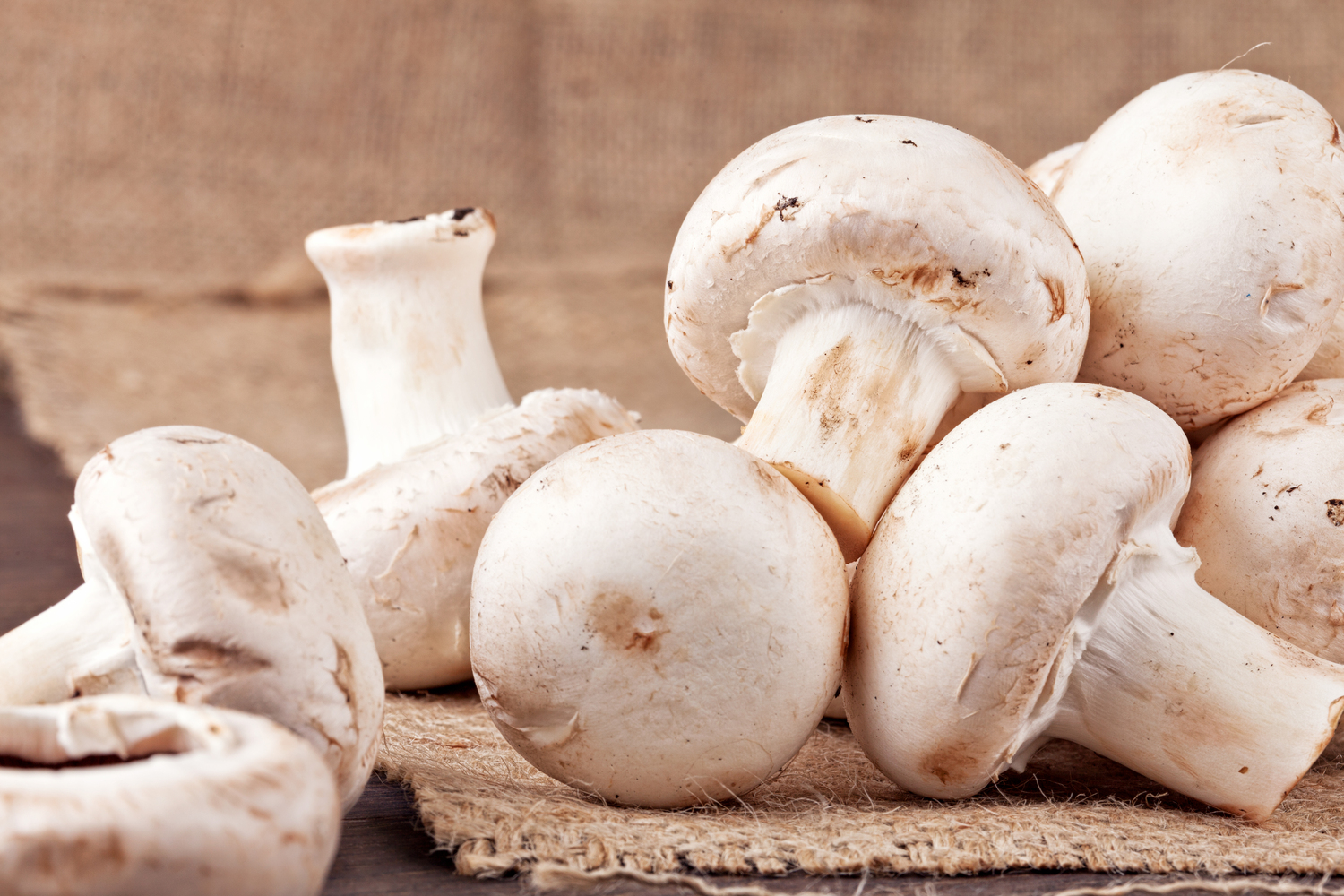
Vitamin D, often referred to as the 'sunshine vitamin,' plays a vital role in mood regulation. Sun exposure helps the body produce sufficient vitamin D, which interacts with brain areas involved in mood and cognitive functions. Insufficient vitamin D levels are frequently observed in individuals with depression. To enhance vitamin D levels, aim for daily sunlight exposure of about 15-20 minutes, depending on skin type and location. Additionally, consuming vitamin D-rich foods such as eggs, mushrooms, and fatty fish, or taking supplements under medical supervision, can help address deficiencies. Maintaining optimal vitamin D levels has been associated with improved mood, reduced symptoms of depression, and overall mental vitality.
4. Minimize Alcohol and Substance Use
Alcohol consumption can exacerbate depression symptoms, as it acts as a central nervous system depressant. While it may initially seem to relieve stress, alcohol ultimately impairs sleep quality, alters brain chemistry, and disrupts neurotransmitter balance. These effects can intensify feelings of sadness, hopelessness, and anxiety. For individuals managing depression, reducing or eliminating alcohol intake is highly recommended. Engaging in alternative stress-relief activities such as exercise, meditation, or hobbies can serve as healthier coping mechanisms. Proper hydration, a balanced diet, and mindfulness practices further support emotional stability, helping to build resilience against depressive episodes.
Additional natural approaches include regular physical activity, mindfulness meditation, yoga, and community support, each contributing to a holistic strategy for managing depression. Incorporating these strategies into daily routines can make a significant difference in mood, energy levels, and overall quality of life. Remember, persistent depression requires professional medical assessment and treatment, but supplementing medical interventions with lifestyle changes can improve outcomes and foster long-term mental resilience.