Comprehensive Guide to Recognizing the Top 4 Common Sleep Disorders
This comprehensive article explores the top four sleep disorders—insomnia, restless leg syndrome, sleep apnea, and narcolepsy—detailing their symptoms, causes, and treatment options. Understanding these common sleep conditions can help individuals recognize early warning signs and seek timely intervention to improve sleep quality and overall health. The piece emphasizes the importance of good sleep hygiene and lifestyle changes in preventing chronic health issues related to poor sleep. Ideal for those seeking to enhance their sleep habits or manage existing sleep problems, this guide offers valuable insights into maintaining healthy sleep patterns for a better quality of life.
Comprehensive Guide to Recognizing the Top 4 Common Sleep Disorders
Sleep problems are a widespread issue, impacting over half of the global population at some point in their lives. According to research published in Scientific Reports, a significant number of people experience sleep-related issues affecting their daily lives and overall health. Understanding these common sleep conditions, their symptoms, and potential health consequences is essential for early detection and effective management. This article provides an in-depth overview of the four most prevalent sleep disorders, guiding you on how to identify symptoms, seek appropriate treatment, and adopt healthier sleep habits to promote overall well-being.
What Are Sleep Disorders?
Sleep is a fundamental component of human health, vital for physical and mental restoration. Most adults need about seven to nine hours of quality sleep each night to function optimally. However, many individuals suffer from sleep disorders—collectively known as sleep-wake issues—that disrupt sleep quality and duration. These disorders can lead to a range of health problems, including cardiovascular disease, diabetes, stroke, and mental health conditions such as depression and anxiety. Recognizing and addressing sleep problems early can substantially improve quality of life and reduce health risks.
Common Sleep Disorders and Their Recognizable Symptoms
Insomnia
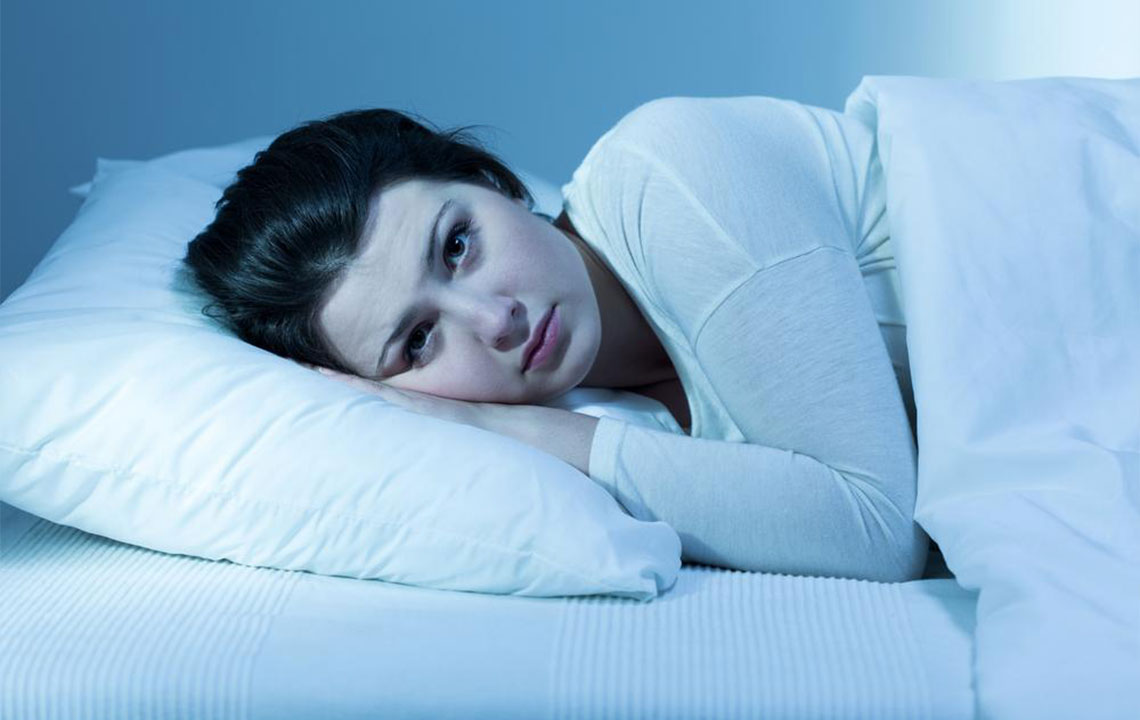
Insomnia is one of the most common sleep problems, affecting millions worldwide. This condition involves difficulty falling asleep, staying asleep, or waking up too early and being unable to return to sleep. Insomnia can be classified as short-term (lasting a few nights or weeks) or chronic (persisting for three months or longer and occurring at least three nights per week). It often results from factors such as stress, anxiety, hormonal changes, poor sleep hygiene, or underlying medical conditions. Symptoms include persistent trouble initiating sleep, frequent awakenings during the night, waking up feeling unrefreshed, daytime fatigue, irritability, difficulty concentrating, and mood disturbances. Treatment strategies may include cognitive-behavioral therapy for insomnia (CBT-I), relaxation techniques, lifestyle modifications, and, in some cases, medication prescribed by healthcare providers.
Restless Legs Syndrome (Willis-Ekbom Disease)
This neurological disorder causes an uncomfortable urge to move the legs, typically worsening during periods of rest or inactivity, especially at night. Patients may experience twitching, throbbing sensations, or electric shock-like feelings during sleep. The exact cause of Restless Legs Syndrome (RLS) remains unknown, but factors such as genetics, iron deficiency, stress, allergies, and certain health conditions like diabetes are linked to its development. Lifestyle changes, including reducing caffeine intake, establishing a regular sleep routine, engaging in moderate exercise, and stretching before bed, can alleviate symptoms. In more severe cases, medical treatments such as dopamine agonists, muscle relaxants, or medications that promote sleep might be prescribed by healthcare professionals.
Sleep Apnea
Sleep apnea is a serious sleep disorder affecting over a billion individuals worldwide. It is characterized by repeated episodes where breathing temporarily stops during sleep, leading to decreased oxygen levels and fragmented sleep. The most common type, obstructive sleep apnea (OSA), occurs when throat muscles relax excessively, blocking airflow. Risk factors include obesity, nasal congestion, enlarged tonsils, a deviated septum, certain anatomical features, and other health issues. Symptoms include loud snoring, choking or gasping during sleep, restless sleep, excessive daytime sleepiness, morning headaches, and difficulty concentrating. Sleep apnea is linked to increased risks of hypertension, heart disease, stroke, and metabolic syndrome. Mild cases may be managed with lifestyle changes such as weight loss or positional therapy. More severe cases often require continuous positive airway pressure (CPAP) devices like CPAP or BiPAP machines, which keep the airway open during sleep, significantly improving quality of life and reducing health risks.
Narcolepsy
Narcolepsy is a neurological disorder characterized by excessive daytime sleepiness and sudden sleep attacks, often occurring unpredictably. Affecting approximately 1 in 1000 people, narcolepsy results from abnormalities in the brain's regulation of sleep-wake cycles, often involving deficits in neurotransmitters like hypocretin. The condition may be inherited or linked to autoimmune responses. Symptoms include episodes of muscle weakness known as cataplexy (triggered by strong emotions), sleep paralysis (temporary inability to move upon falling asleep or waking), vivid hallucinations, disturbed nighttime sleep, and mood swings. While there is no cure for narcolepsy, treatment focuses on managing symptoms through lifestyle adaptations, scheduled naps, and medications such as stimulants that promote alertness. Proper management can significantly enhance daily functioning and reduce the impact of the disorder.
Many individuals underestimate the significance of restorative sleep until sleep disorders begin to impact their health and daily activities. Recognizing these common sleep conditions and understanding their symptoms is crucial for seeking timely medical advice and adopting habits that promote better sleep quality. Improving sleep hygiene not only enhances overall health and well-being but also helps in preventing long-term health complications associated with chronic sleep disturbances.