Essential Guide: Foods to Avoid During Your Cruise Vacation for a Safe and Healthy Journey
Discover essential advice for cruise travelers on which foods to avoid for a safe journey. From undercooked eggs to raw seafood, learn how to protect your health while enjoying the culinary delights onboard. This comprehensive guide helps you identify potential risks and make informed choices to ensure an enjoyable and healthy cruise experience.

Essential Guide: Foods to Avoid During Your Cruise Vacation for a Safe and Healthy Journey
Embarking on a cruise offers travelers a unique opportunity to indulge in a diverse array of delicious cuisines and luxurious dining experiences. From elaborate buffets to specialty restaurants, the culinary options onboard are virtually limitless, making it tempting to sample everything on offer. However, while exploring these gastronomic delights, it's crucial to be mindful of certain foods that may jeopardize your health or cause discomfort during your voyage. Knowing which items to avoid can significantly enhance your cruise experience by keeping you safe, healthy, and comfortable throughout your journey.
In this comprehensive guide, we’ll discuss the top foods to steer clear of when cruising. These foods pose potential health risks due to bacteria, parasites, or contamination, especially since the environment and handling conditions on ships can sometimes increase vulnerability to foodborne illnesses. By recognizing these risks and making informed choices, you can enjoy your voyage without unnecessary health concerns.
Foods to Avoid During Your Cruise
Undercooked Eggs
Eggs are a highly nutritious food, rich in protein, vitamins, and minerals, and are often featured prominently in breakfast buffets and culinary selections. However, eggs that are not cooked thoroughly can harbor harmful bacteria such as Salmonella or Listeria, which can cause severe gastrointestinal illnesses. On a cruise, it’s best to avoid eggs prepared sunny-side-up, over easy, or with runny yolks. Always prefer eggs cooked to an internal temperature of at least 160°F to ensure safety. Refraining from undercooked eggs can prevent symptoms like diarrhea, nausea, and fever, helping passengers enjoy their trip in good health.
Fresh Oysters and Raw Shellfish
Oysters are often considered a delicacy and are commonly enjoyed raw with wine or cocktails. However, raw oysters can carry Vibrio bacteria, especially if not properly cleaned or if harvested from contaminated waters. Consuming contaminated oysters may lead to vibriosis, a bacterial infection characterized by symptoms such as nausea, vomiting, diarrhea, fever, and chills. For cruise passengers, it’s advisable to enjoy cooked shellfish instead of raw oysters to minimize health risks. If you do wish to indulge in oysters, ensure they come from reputable sources with strict quality controls and are served cooked or properly sanitized.
Unpasteurized Dairy Products
While most dairy products served on cruise ships are pasteurized and safe, unpasteurized dairy items can pose significant health risks. Raw milk, cheeses, or butters that are unpasteurized can contain harmful pathogens like E. coli, Listeria monocytogenes, and cryptosporidium. These bacteria can cause severe foodborne illnesses, especially in vulnerable populations such as pregnant women, seniors, and those with weakened immune systems. Always inquire about the pasteurization status before consuming dairy products on a cruise. Opting for pasteurized and properly handled dairy ensures you avoid potential infections and enjoy your culinary experience safely.
Sushi and Raw Fish
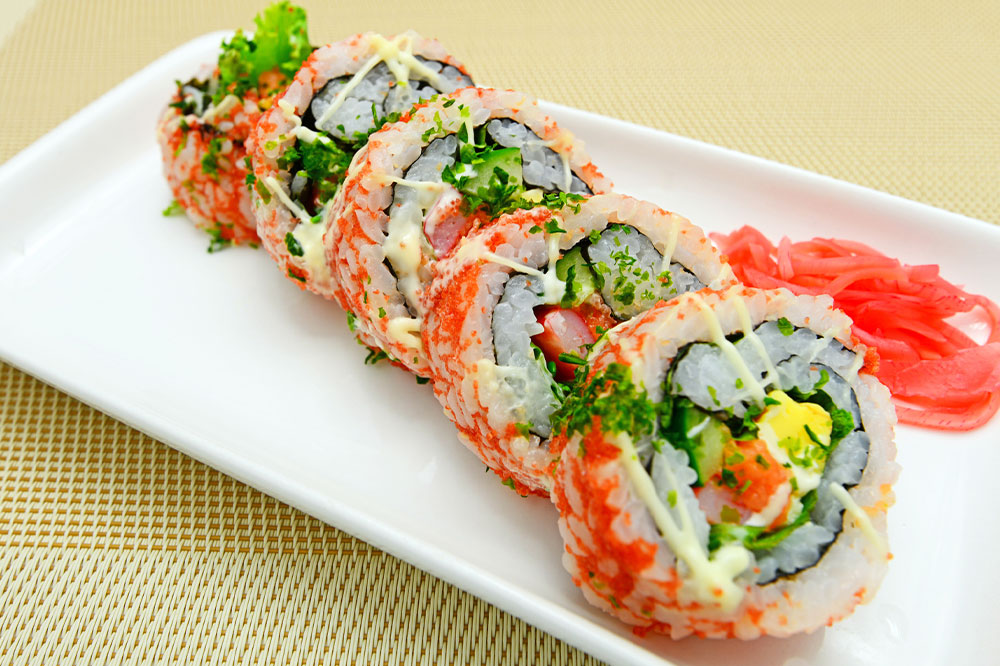
Sushi remains a popular choice among many cruise travelers. Nevertheless, raw fish used in sushi or sashimi can harbor bacteria such as Clostridium perfringens, parasites, or viruses if not stored and prepared properly. Consuming contaminated raw fish can result in foodborne illnesses with symptoms like abdominal cramps, diarrhea, vomiting, and fever. To enjoy sushi safely onboard, select establishments that adhere to strict temperature controls, storage, and handling practices. When in doubt, opt for cooked seafood options such as tempura or grilled fish, which carry fewer risks.
In summary, while exploring the diverse cuisines available on your cruise, staying mindful of these foods can significantly reduce your risk of illness. Always prioritize foods that are thoroughly cooked, properly stored, and sourced from reputable vendors. Remember, a healthy passenger is a happy traveler, capable of making the most of their cruise adventure. Make informed food choices, stay vigilant, and enjoy your voyage to the fullest.