Effective Exercises to Alleviate Back Muscle Spasms and Reduce Discomfort
Learn how to effectively alleviate back muscle spasms through four targeted exercises. This comprehensive guide provides detailed techniques to reduce pain, improve flexibility, and promote long-term back health. Suitable for all fitness levels, these exercises can be integrated into your daily routine for ongoing relief and prevention of back spasms, supporting better posture and overall well-being.
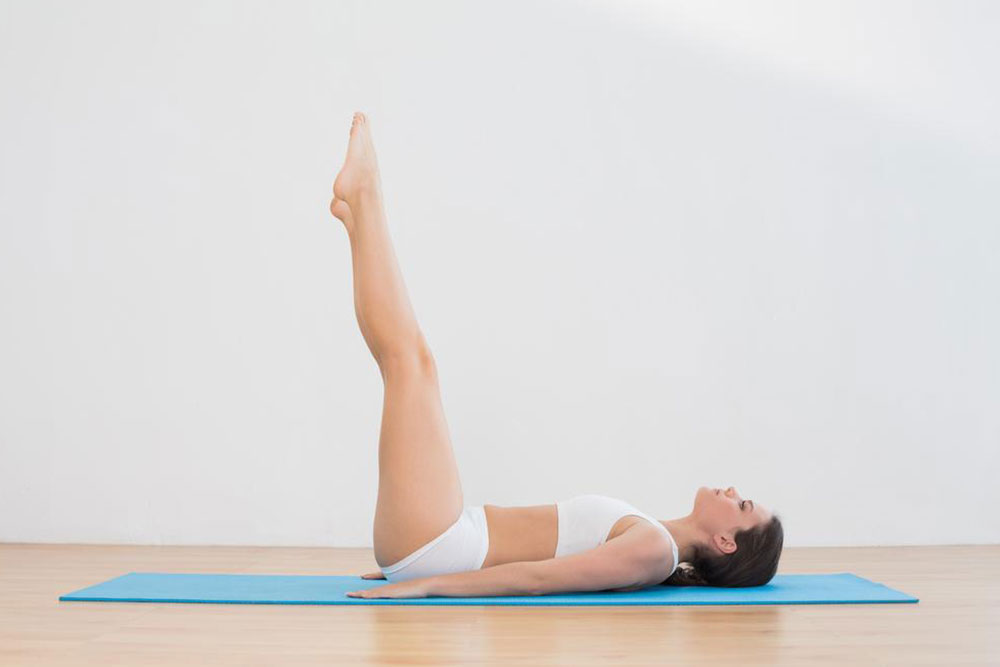
Effective Exercises to Alleviate Back Muscle Spasms and Reduce Discomfort
Muscle spasms in the back are a common issue that can significantly impair daily activities. These involuntary contractions often occur during routine movements such as standing, walking, lifting, or even sitting for prolonged periods. Understanding the causes and implementing effective exercises can help manage and reduce back muscle spasms, leading to improved mobility and comfort. This comprehensive guide explores the most effective exercises designed to ease back spasms, their proper techniques, and how they can be integrated into your health routine for optimal results.
Back spasms often result from muscle, tendon, or ligament injuries. Common triggers include lifting heavy objects, sudden awkward movements, poor posture, prolonged bed rest, or underlying health conditions such as herniated discs or degenerative disc disease. While persistent or severe spasms should be evaluated by a healthcare professional, many cases can be alleviated through targeted stretching and strengthening exercises. These exercises help relax tense muscles, improve flexibility, and promote better blood circulation, ultimately reducing the frequency and intensity of spasms.
Below, we provide four scientifically backed exercises that can substantially relieve back pain caused by muscle spasms. Regularly practicing these exercises can contribute to long-term back health and help prevent future spasms, especially when combined with proper posture and ergonomic habits.
Side Knee Drop Stretch: This gentle stretch targets lower back spasms and helps alleviate tension in the lumbar region. Lie flat on your back with your legs extended. Bend your knees, bringing them toward your chest, then slowly let your knees fall to one side while keeping your shoulders flat on the ground. Hold this position for about 30 seconds, feeling the stretch along your lower back and hips. Switch sides and repeat 3-4 times. This exercise enhances flexibility and relieves muscle tightness.
Pelvic Tilt Exercise: To strengthen and relax the lower back muscles, lie on your back with knees bent and feet flat on the floor. Engage your core muscles and flatten your lower back against the floor by tilting your pelvis upwards. Hold this position for 10 seconds, then slowly relax. Repeat 10-15 times. This movement promotes spinal alignment, relieves pressure on the nerves, and reduces spasms caused by muscle imbalance or weakness.
Hamstring Stretch: Tight hamstrings can contribute to lower back discomfort. Sit on the floor with one leg extended straight in front of you and the other leg bent with the foot placed close to your inner thigh. Gently lean forward from your hips toward your toes, keeping your back straight, until you feel a stretch in your hamstrings. Hold for 15-20 seconds and repeat 5-8 times on each leg. Regular hamstring stretching improves flexibility and minimizes strain on your lower back during daily activities.
Prayer Pose Back Stretch: This calming stretch helps decompress the spine and stretch the back muscles. Kneel on the floor with knees apart and sit back onto your heels. Extend your arms forward and rest your forehead gently on the ground. Breathe deeply and hold this position for 30 seconds. Repeat as needed. This stretch relieves pressure along the spine, relaxes tense muscles, and can provide immediate relief from back discomfort caused by spasms.
Incorporating these exercises into your daily routine, particularly after physical activity or long periods of inactivity, can significantly reduce the occurrence of back spasms. Remember to perform each movement slowly and gently to avoid aggravating existing issues. Consistency is key; over time, these practices can strengthen your back muscles, enhance flexibility, and promote better posture, all of which contribute to a healthier back and fewer spasms in the future. If symptoms persist or worsen, consult a healthcare provider to rule out underlying conditions and develop a comprehensive treatment plan.