Comprehensive Guide to Effectively Removing Moss from Your Lawn and Promoting Healthy Grass Growth
Discover comprehensive techniques to effectively remove moss from your lawn, improve soil health, and promote lush grass growth. This detailed guide covers natural remedies, lawn maintenance practices, and professional solutions to keep your lawn vibrant and moss-free. Learn how soil conditions, sunlight, and mowing height influence moss spread, and how to address these factors for long-term prevention. Whether you're dealing with minor patches or extensive moss invasion, this article offers practical advice to restore and maintain a healthy, attractive lawn through sustainable and environmentally friendly methods.
Comprehensive Strategies to Eliminate Moss from Your Lawn and Achieve a Healthy, Lush Turf
Moss can be a persistent challenge for homeowners and landscapers aiming to maintain a beautiful, lush lawn. This soft, non-flowering plant tends to thrive in shady, damp conditions, particularly after periods of rainfall. While its appearance might initially seem charming, unchecked moss can rapidly take over grassy areas, impeding the growth of healthy grass and leading to an uneven, unattractive surface. Fortunately, because moss has shallow roots, it is generally easier to remove compared to deep-rooted weeds or invasive plants. Understanding the primary causes that promote moss growth — including soil conditions, maintenance practices, and environmental factors — is crucial to developing effective control methods and preventing future infestations. This comprehensive guide offers detailed insights into natural and practical techniques to eliminate moss, improve soil health, and foster a vibrant, resilient lawn.
Identifying the Root Causes of Moss Growth in Lawns
Poor Drainage: One of the leading factors contributing to moss proliferation is inadequate drainage. When excess water remains on the surface or soaks into the soil poorly, it creates damp conditions perfect for moss to spread. Areas with persistent puddles or waterlogging are particularly susceptible. Improving drainage involves aerating the soil, grading slopes away from the lawn, and installing drainage systems if necessary.
Soil Compaction: Heavy foot traffic, machinery, or improper aeration can compress the soil, reducing pore spaces that allow air and water to circulate. Compact soil hampers grass root development and creates an ideal environment for moss to establish itself. Regular aeration, especially during the growing season, helps relieve compaction and enhances soil health.
Neglect in Lawn Maintenance: Inconsistent or inadequate lawn care routines can allow moss to gain a foothold. This includes irregular mowing, failure to dethatch, and lack of fertilization. Proper maintenance practices like aeration, dethatching, and balanced fertilization are vital for maintaining healthy grass that can compete with moss.
Inappropriate Mowing Height: Mowing grass too short weakens its resilience by reducing its ability to shade the soil, opening up space for moss colonization. Maintaining the correct mowing height—typically between 25-50 millimeters depending on grass type and climate—helps preserve turf vigor and suppress moss growth.
Understanding these contributing factors forms the foundation for effective moss control. Once the underlying issues are addressed, you can adopt natural, eco-friendly methods to remove moss and prevent its return.
Effective Natural Methods for Moss Removal
Natural remedies are not only environmentally friendly but also cost-effective and safe for your lawn and surrounding garden environment. Since moss can survive without nutrients or water, it often exhibits resilience against chemical weed killers, making targeted natural approaches preferable for sustainable lawn care.
Baking Soda Treatment: Baking soda is a simple, eco-friendly remedy for small patches of moss. Sprinkle baking soda directly onto the moss and water lightly. This increases soil alkalinity temporarily and discourages moss growth without harming grass or other garden plants. Regular applications can help in gradually reducing moss patches.
Adjusting Soil pH Using Lime: Soil pH significantly influences moss growth. Testing your soil’s pH with a reliable soil test kit helps determine if it's too acidic. If so, applying agricultural lime raises soil pH, creating less favorable conditions for moss. Spread the lime evenly over the lawn during autumn or spring, water thoroughly afterward, and monitor pH levels to maintain optimal soil balance for healthy grass development.
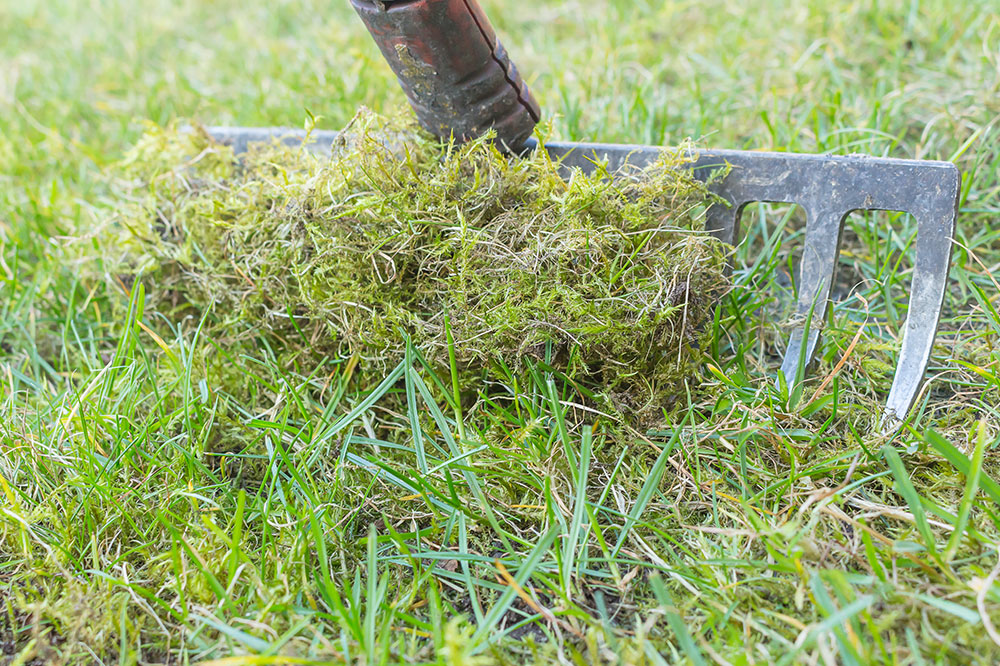
Mechanical Removal through Raking and Dethatching: For smaller moss areas, physical removal is effective. Using a dethatching rake or a lawn scarifier can loosen and lift moss from the soil surface. Raking thoroughly not only removes existing moss but also aerates the soil, promoting grass growth. Combining mechanical removal with soil improvement techniques enhances overall lawn health.
Increasing Sunlight Exposure: Most turf grasses require at least 4-6 hours of direct sunlight each day. Shading from overgrown trees, shrubs, or structures fosters damp conditions where moss thrives. Pruning or trimming obstructive branches allows more sunlight to reach the grass, boosting its vigor. Alternatively, planting shade-tolerant grass varieties like tall fescue can help prevent moss establishment in shaded areas.
While these natural solutions are effective, persistent or widespread moss problems may require professional intervention. Hiring experienced lawn care specialists ensures proper assessment and targeted treatment, utilizing advanced equipment and environmentally sensitive methods. It’s advisable to avoid chemical herbicides, as they tend to provide only temporary fixes, risk damaging your lawn’s health, and can harm surrounding ecosystems.
Long-term Prevention and Lawn Care Tips for a Moss-Free Lawn
Achieving a moss-free lawn is an ongoing process. Proactive maintenance and regular monitoring are key to preventing moss from returning. Here are some essential tips for long-term lawn health:
Regular Aeration and Dethatching: Schedule aeration sessions during peak growing seasons to relieve soil compaction and improve water drainage. Dethatch the lawn to remove accumulated organic matter that can hold moisture and promote moss growth.
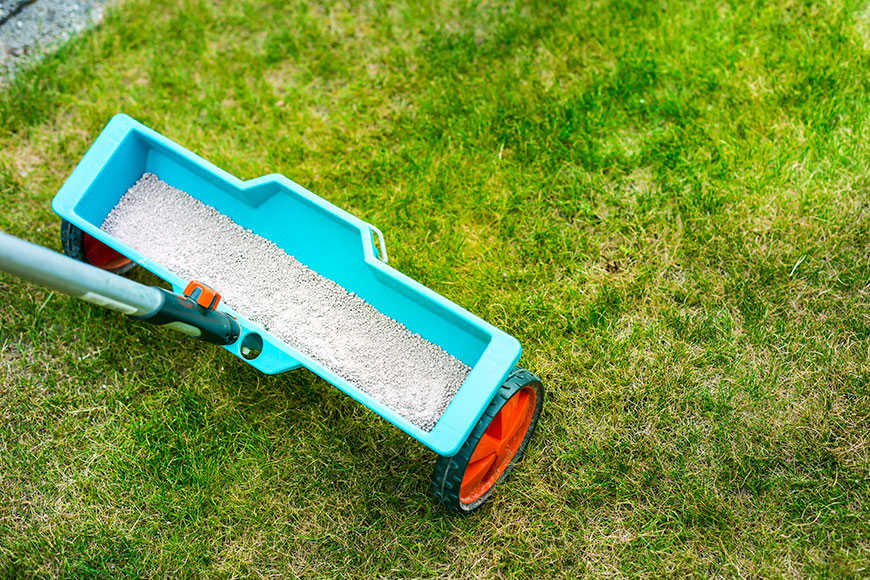
Proper Fertilization: Use a balanced fertilizer suited for your grass type to promote dense, healthy turf. Well-nourished grass competes effectively against moss and other weeds.
Mowing Practices: Maintain optimal mowing heights tailored to your grass variety. Never mow too short, as this weakens the grass and creates opportunities for moss to take hold.
Manage Shade and Watering: Trim overhanging branches and structures to increase sunlight exposure. Water your lawn deeply but infrequently, avoiding overwatering that creates damp conditions conducive to moss.
Soil Testing and Amendments: Conduct periodic soil tests to check pH and nutrient levels. Make adjustments with lime or fertilizers as needed to maintain conducive conditions for vigorous grass growth.
Implementing these practices consistently will significantly reduce the likelihood of moss re-establishment, leaving you with a lush, vibrant lawn that enhances your property’s aesthetic and value.
In conclusion, controlling moss in your lawn requires a combination of understanding environmental and soil factors, adopting natural remediation techniques, and maintaining diligent lawn care routines. Addressing issues like poor drainage and soil compaction, combined with natural treatments and professional guidance, can transform your lawn into a healthy, moss-free landscape. Patience and persistence are key—your efforts will reward you with a durable, beautiful green space to enjoy year-round.