Comprehensive Guide to Maintaining and Extending the Lifespan of Dental Implants
Discover the essential practices for maintaining your dental implants effectively and extending their lifespan. From daily oral hygiene to regular dental visits, learn how responsible habits can ensure your implants stay healthy, functional, and look great for years. This comprehensive guide provides practical tips and expert advice to help you preserve your investment in a confident, beautiful smile.
Proven Techniques to Sustain Your Dental Implants for Long-Term Success
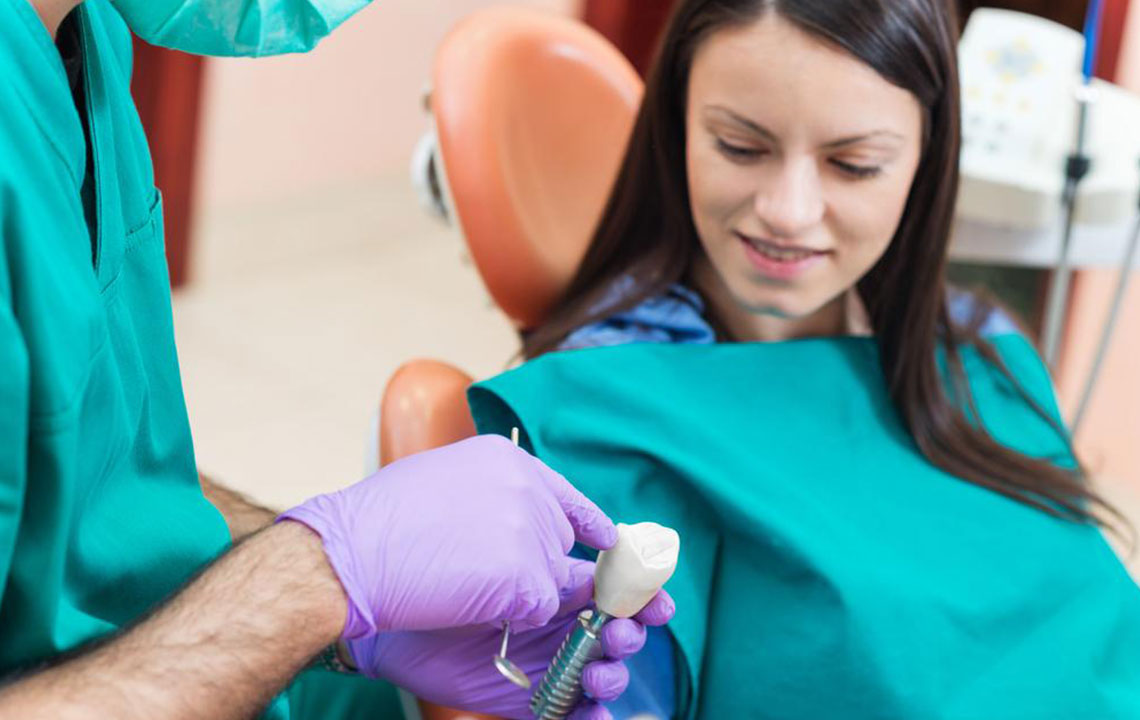
Dental implants have revolutionized modern dentistry by providing a durable and natural-looking solution for individuals with missing teeth. They are designed to restore both function and aesthetics, offering a comfortable and lasting alternative to traditional dentures or bridges. Despite their robustness and high success rate, dental implants still require diligent care and maintenance to ensure their longevity. Many patients find that understanding the vital aspects of implant care can significantly extend their lifespan and prevent costly repairs or replacements in the future.
In this comprehensive guide, we will explore essential strategies and practical tips to help you maintain your dental implants effectively. From daily oral hygiene practices to scheduling regular dental visits, these insights will empower you to preserve your investment and enjoy a healthy, confident smile for years to come.Mastering Daily Oral Hygiene for Implant Longevity
Oral hygiene plays a fundamental role in the success of dental implants. Unlike natural teeth, implants are anchored in the jawbone and are less susceptible to decay, but they are not invulnerable to the buildup of plaque and bacteria. Poor oral hygiene can lead to peri-implantitis, an inflammatory condition that can jeopardize the stability of your implant.
To prevent such complications, establish a rigorous daily cleaning routine. Brush your teeth twice a day using a soft-bristled toothbrush and a non-abrasive toothpaste formulated for implants, if possible. Pay special attention to cleaning around the gum line and the implant abutment, where plaque tends to accumulate. Incorporate gentle flossing using implant-specific floss or interdental brushes to effectively remove debris from areas that are difficult to reach with a regular toothbrush.Additionally, consider using an antimicrobial or chlorhexidine mouth rinse to reduce bacterial load, especially if advised by your dental professional. Proper hygiene not only helps maintain healthy gums but also prevents biofilm formation that can lead to infections or implant failure.
Adopting Responsible Chewing and Non-Eating Habits
As dental implants become more lifelike, it might be tempting to use your teeth for tasks beyond chewing food. However, non-oral use of teeth poses a significant risk of damage. Avoid habits like biting or tearing with your implant-supported teeth when opening packages, biting nails, or biting on hard objects such as ice, pens, or hard candies.
Hard objects exert excessive force on the implant and can cause fractures or loosen the prosthetic components. Protect your investment by being mindful of how you use your teeth daily. If you notice that your natural teeth are prone to habits like nail biting, seek alternatives or behavioral strategies to break these habits. Using protective gear or mindfulness techniques can help prevent unintentional damage to your implants.Further, if you experience any discomfort or unusual vulnerability, consult your dentist promptly to evaluate the health of your implant and surrounding tissues.Scheduling Regular Dental Examinations and Maintenance
Routine dental check-ups are vital for the long-term success of your dental implants. Visiting your dentist every six months allows for thorough professional cleanings and comprehensive examinations. During these visits, your dental professional will assess the health of your gums, check the integrity of your implant components, and identify potential problems early before they escalate.
These routine visits enable early detection of issues such as bone loss, peri-implantitis, or mechanical problems with the implant itself. Early interventions can save you from more extensive and costly treatments later on. Additionally, your dentist may recommend adjunctive therapies like professional scaling and root planing, or radiographs to monitor bone levels around the implant.Maintaining good oral hygiene at home in combination with regular dental visits ensures your dental implants stay healthy, stable, and functional for decades. Remember, dental implants are a long-term investment in your oral health, and diligent care is key to maximizing their lifespan.In conclusion, while dental implants offer a highly effective and permanent solution for missing teeth, their longevity depends heavily on how well you care for them. Consistent daily hygiene, responsible chewing habits, and regular professional check-ups are the pillars of successful implant maintenance. By following these guidelines, you can enjoy a vibrant, confident smile and prevent potential complications, thus protecting your dental investment for future generations.