Comprehensive Home Strategies for Preventing and Managing Heartworm in Dogs
This comprehensive guide explores natural and supplementary home remedies for managing canine heartworm disease. It emphasizes the importance of combining natural ingredients like pumpkin seeds, carrots, and coconut oil with standard veterinary treatments to ensure the health and safety of your dog. The article covers prevention strategies, early detection, and the role of professional veterinary care, offering pet owners actionable advice to protect their furry friends from this serious parasitic infection.
Comprehensive Home Strategies for Preventing and Managing Heartworm in Dogs
Heartworm disease remains one of the most serious health threats faced by canines worldwide. Caused by a parasitic worm, Dirofilaria immitis, it spreads through mosquito bites and can have devastating consequences if not detected and treated promptly. The disease predominantly affects the lungs, heart, and arteries, leading to severe health issues, including respiratory failure, organ damage, and even death. Despite the seriousness of this illness, pet owners can take proactive steps at home to help prevent and manage heartworm infections in their dogs. This article delves into various effective, natural, and supplementary home remedies as part of a comprehensive approach to canine heartworm management, alongside standard veterinary treatments.
Understanding Heartworm Disease in Dogs
Before exploring home remedies, it’s crucial to understand the nature of heartworm disease. The infection begins when a mosquito carrying infective larvae bites a dog, transmitting the larvae into the pet’s bloodstream. Over time, these larvae mature into adult worms residing primarily within the heart, lungs, and associated blood vessels. As they grow, they cause blockages, increase the workload on the heart, and compromise vital organ functions. Symptoms in dogs often include coughing, fatigue, weight loss, difficulty breathing, and a swollen abdomen. Detecting the disease early is vital, and veterinarians typically conduct blood tests, X-rays, and ultrasounds for diagnosis.
While conventional antiparasitic drugs are highly effective, many pet owners are interested in natural or supplementary remedies to enhance their dog’s resilience or reduce parasite loads. It’s important to note that natural remedies should complement, not replace, standard veterinary care. Always discuss any home treatment plans with your veterinarian to ensure safety and appropriateness for your pet’s specific condition.
Natural Home Remedies for Canine Heartworm Management
Several natural ingredients and lifestyle measures can support your dog’s health and potentially aid in controlling parasitic loads. Here are some well-known home remedies that pet owners can consider:
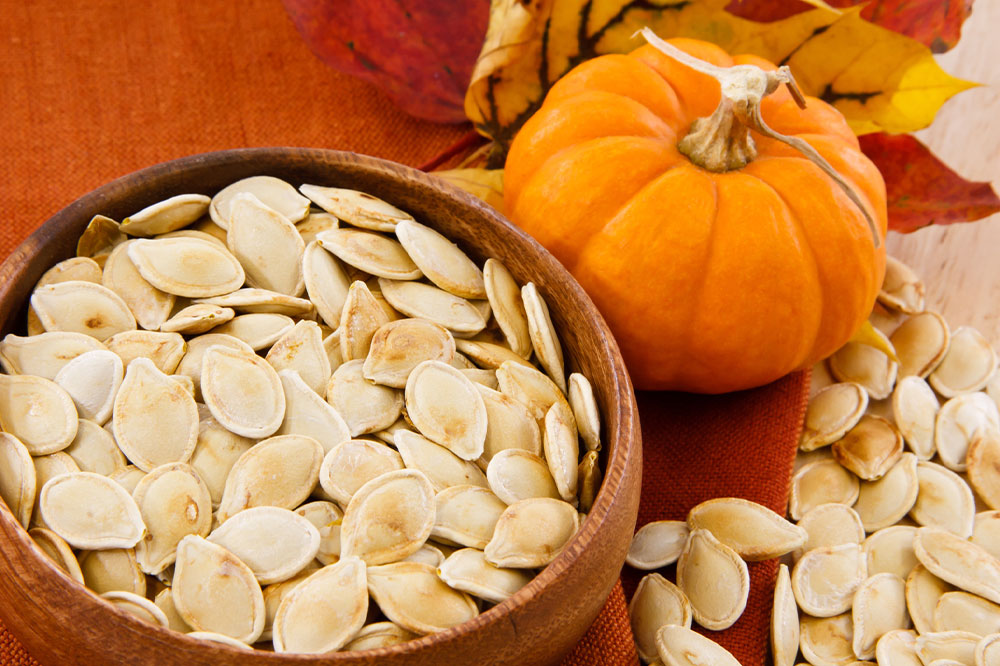
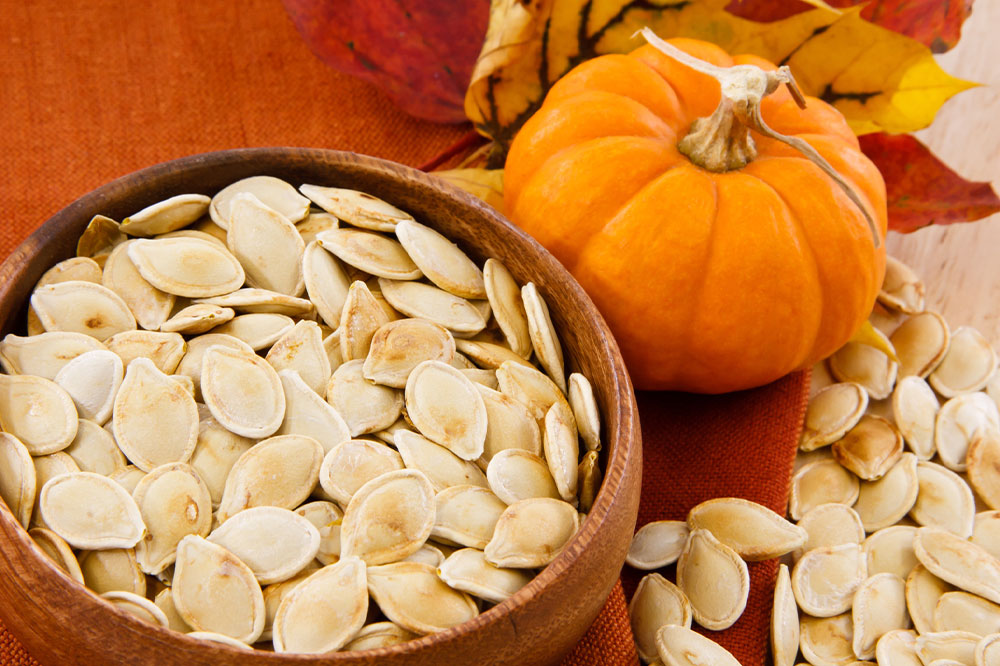
Pumpkin Seeds: Pumpkin seeds are renowned for their natural deworming properties. They contain cucurbitacin, a compound that can paralyze and eliminate intestinal parasites. To prepare pumpkin seeds for your dog, start by drying the seeds completely in the sun or an oven at a low temperature. Once dried, carefully shell the seeds to remove the outer shell, which makes digestion easier. Grind the shelled seeds into a fine powder and gradually incorporate it into your dog's meals—start with a teaspoon for small dogs and adjust accordingly for larger pets. Continue giving pumpkin seed powder daily until you notice improvement or as advised by your veterinarian. Besides deworming, pumpkin seeds are rich in nutrients, antioxidants, and healthy fats that support overall health.
Carrots: Carrots are an excellent addition to your dog’s diet because of their high fiber content. Dietary fiber enhances digestion, helping to remove mucus, parasites, and toxins from the gastrointestinal tract. Carrots also contain essential vitamins such as vitamin A, flavonoids, and antioxidants, which bolster the immune system. Regular inclusion of fresh, chopped carrots in your dog’s meals can aid in maintaining a healthy gut environment and potentially reduce the impact of parasitic infections, including heartworms. Carrots can be served raw, steamed, or blended into the food.
Coconut Oil: Coconut oil boasts natural anti-bacterial, anti-inflammatory, and antimicrobial properties, making it a beneficial supplement for parasite control. The medium-chain fatty acids in coconut oil can help eliminate internal parasites, including worms. To use coconut oil as a home remedy, incorporate one teaspoon per 10 pounds of your dog’s body weight into their food once daily. Alternatively, you can offer dried coconut pieces or coconut milk as part of their diet. Consistent use may improve gut health and support immune function. However, ensure your dog does not have any allergies or sensitivities to coconut products and always consult your vet before starting supplementation.
Additional Tips for Heartworm Prevention and Support
While natural home remedies can be beneficial, they should be used alongside standard preventive measures and treatments prescribed by your veterinarian. Here are additional tips to help protect your dog from heartworm disease:
Regular Veterinary Check-ups: Routine blood tests and physical exams help detect heartworm infections early, improving treatment outcomes.
Consistent Use of Preventative Medications: Vet-prescribed medications like ivermectin, moxidectin, or combination drugs are highly effective in preventing heartworm transmission. These often come in monthly chewables, topicals, or injectables.
Environmental Control: Minimize your dog’s exposure to mosquitoes, especially during peak biting hours at dawn and dusk. Remove standing water around your home and use mosquito repellents recommended by your veterinarian.
Maintain Overall Health: Proper nutrition, regular exercise, and parasite control help boost your dog’s immune system, making them more resistant to infections.
Understanding Standard Veterinary Treatments
It’s essential to follow veterinarian guidelines for treating and preventing heartworm infections. Common treatment protocols involve several stages, beginning with adulticide therapy to eliminate adult worms, often combined with other supportive medications to manage symptoms and complications. Preventive drugs are also prescribed to avoid future infections. Veterinarians may recommend additional diagnostics such as ultrasound or radiography to assess the severity of the condition and tailor treatment plans accordingly.
In summary, while natural remedies can support your dog’s health and parasite management, they should complement professional veterinary care. Combining preventative measures, timely diagnosis, and appropriate treatments ensures your furry friend remains healthy and heartworm-free. Always consult with a qualified veterinarian before implementing any new home remedy or supplement to guarantee safety and efficacy.