Separating Fact from Fiction: The Truth About Indoor Fireplaces
Indoor fireplaces are charming features that create cozy atmospheres, but there's a lot of misinformation about their capabilities and safety. This comprehensive guide clarifies common myths, emphasizing that fireplaces mainly heat single rooms, require proper maintenance, and are not always energy-efficient. Exploring alternatives like electric and gel fireplaces offers safer, more modern options. Proper use and regular inspections are essential for safe operation, while understanding fuel types and environmental impacts helps homeowners make better choices. Whether for ambiance or supplemental heating, informed decisions ensure safety and enjoyment in your home.
Indoor fireplaces have long been a popular feature in homes, appreciated for their aesthetic appeal and the cozy ambiance they create. However, numerous misconceptions persist about their functionality, efficiency, and safety. Many homeowners believe that a fireplace can effectively heat an entire house or that they require minimal maintenance, which can sometimes lead to unsafe situations. In reality, understanding the true capabilities and limitations of indoor fireplaces is crucial for making informed decisions about their use and safety.
The Primary Purpose of Indoor Fireplaces
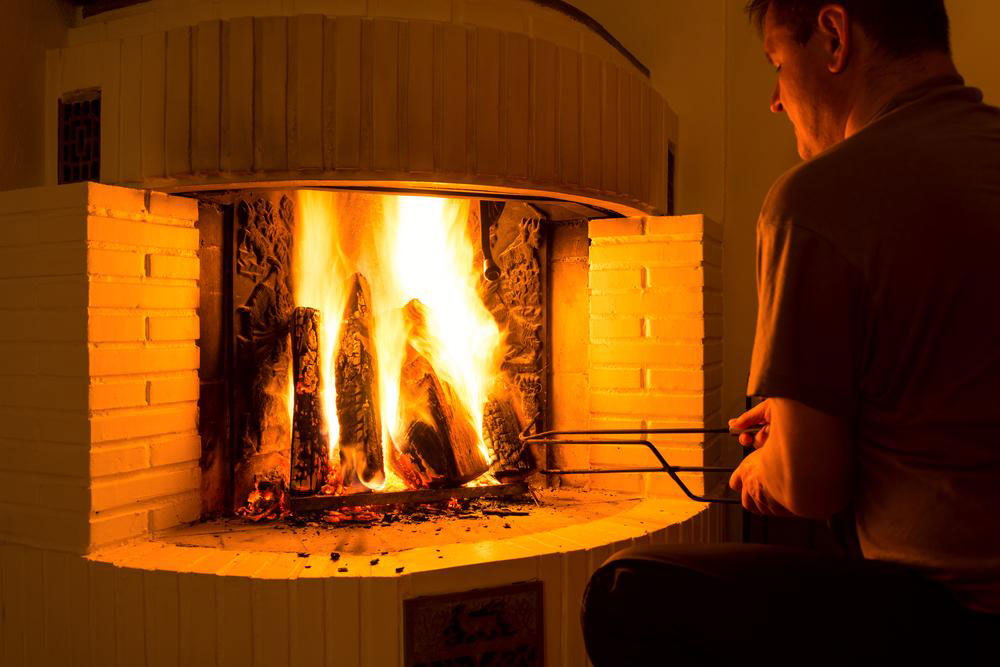
Most traditional fireplaces are designed primarily as supplemental heating sources and decorative features rather than primary home heating systems. While they generate a warm, inviting atmosphere, they typically heat only the immediate area around their location. Unlike central heating systems, fireplaces lack the capacity to distribute heat evenly throughout the house. This can lead homeowners to believe their fireplace can replace their entire home heating system, but this is a common misconception. To heat larger spaces efficiently, additional heating methods or upgraded systems are often necessary.
Myth: Fireplaces Can Warm Entire Homes
Many people assume that a fireplace can serve as a primary heat source for an entire home. While a well-designed fireplace can provide substantial warmth to a single room, it generally cannot heat multiple rooms or the entire house without supplementary heating. This is particularly true in larger homes or homes with poor insulation. Relying solely on a fireplace for heating can result in uneven warmth, cold spots, and higher energy bills because additional heating may still be needed to maintain comfortable temperatures everywhere.
Fireplaces Versus Modern Alternative Heating Solutions
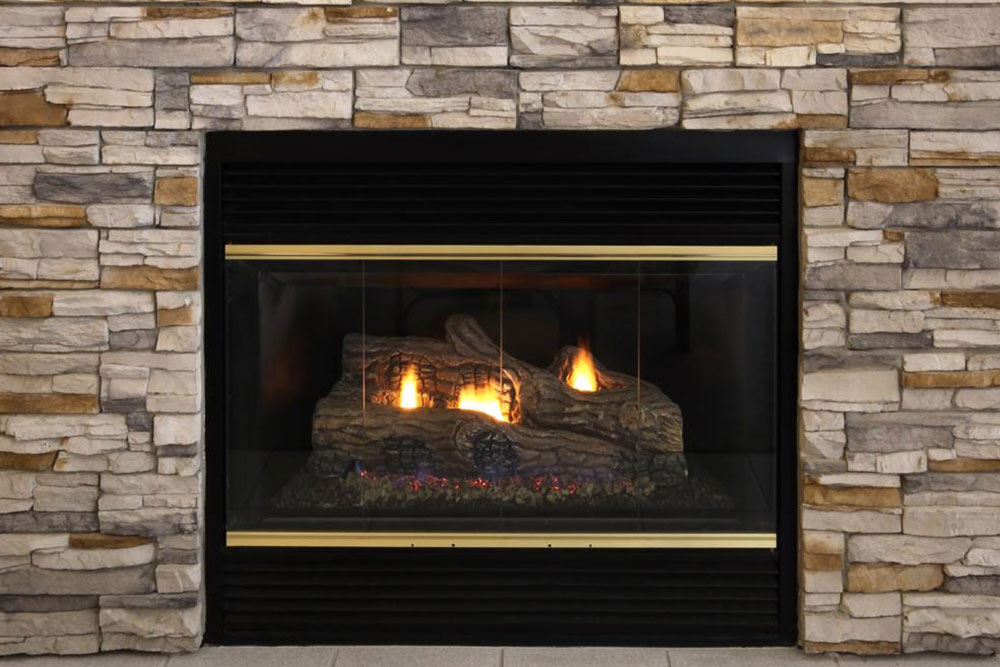
The perception that traditional fireplaces are energy-efficient is a myth. In fact, fireplaces often consume a significant amount of air from inside the house, which can lead to increased energy costs due to the need for additional heating. Alternative modern solutions such as electric fireplaces, gel fireplaces, or energy-efficient pellet stoves often provide similar aesthetic benefits with less air loss and greater efficiency. These options are especially appealing for those looking for low-cost and low-maintenance heating solutions that can safely operate without the emissions associated with wood or gas fireplaces.
Maintenance and Safety Considerations
Proper maintenance of your indoor fireplace is vital for safe operation. Ignoring regular inspections can lead to accumulation of creosote, which increases the risk of chimney fires. Even if the fireplace is not in frequent use, it’s essential to have a professional inspection periodically to check for pest infestations, cracks, or blockages. Additionally, regular cleaning and proper use of seasoned softwoods or other approved fuels can prevent resin buildup, which can also pose fire hazards.
Using Softwoods Safely
Many believe that using any type of wood is safe, but it’s important to use seasoned softwoods such as cedar or pine, which burn cleaner and produce fewer creosote deposits. Ensuring the wood is dry (properly seasoned) helps reduce smoke, soot, and the risk of resin buildup that can clog chimneys and cause dangerous chimney fires. Following manufacturer guidelines and consulting with fireplace professionals can enhance safety and efficiency.
Environmental Impact and Efficiency
Fireplaces are often criticized for their environmental impact. Traditional wood-burning fireplaces tend to release significant amounts of carbon dioxide and particulate matter. Modern alternatives like electric or gel fireplaces are considered more environmentally friendly, as they do not produce emissions and are more energy-efficient. If you prioritize sustainability, exploring these options can be beneficial. Properly maintaining any fireplace and using appropriate fuels maximizes efficiency and reduces environmental impact.
Choosing the Right Fireplace for Your Home
When considering an indoor fireplace, evaluate your heating needs, safety requirements, and aesthetic preferences. If your goal is to add ambiance rather than primary heating, traditional or electric fireplaces can be excellent choices. For supplemental heating, consider options with higher efficiency ratings and low emissions. Always work with qualified professionals for installation and maintenance, and adhere to safety standards to prevent fire hazards and health risks.
Conclusion
Understanding the facts about indoor fireplaces helps homeowners make smarter choices that enhance safety, comfort, and energy efficiency. Dispelling myths about their ability to heat entire homes or require minimal upkeep encourages responsible use. By selecting appropriate fuels, performing regular inspections, and exploring modern alternatives, you can enjoy the warmth and ambiance of your fireplace without compromising safety or environmental considerations. With proper knowledge and maintenance, an indoor fireplace can be a beautiful and safe addition to your home, providing cozy moments for years to come.