Comprehensive Guide to the Top 4 Common Infectious Diseases You Need to Know
This comprehensive guide explores four common infectious diseases, emphasizing their causes, symptoms, transmission methods, and prevention strategies. It aims to raise awareness and encourage early intervention to minimize health risks. Understanding these illnesses is essential for protecting personal health and public safety, especially during outbreaks. The article covers bacterial and viral infections like staphylococcal infections, salmonella, influenza, and norovirus, providing vital insights for individuals and healthcare providers alike.
In-Depth Look at the Most Prevalent Infectious Microorganisms
Over many years of rigorous scientific research, experts have identified over 300 different microbial agents responsible for infectious diseases worldwide. These microbes—including bacteria, viruses, fungi, and parasites—pose significant health threats and can be transmitted from person to person or through contaminated environments. Understanding these infectious agents, their symptoms, transmission routes, and risk factors is crucial in preventing outbreaks and protecting personal and public health. This comprehensive guide aims to shed light on four of the most common infectious illnesses that everyone should be aware of, how they affect the human body, and what measures can be taken to prevent or manage them effectively.
Causes of Infectious Diseases and How Microorganisms Spread
Human bodies host an immense variety of microorganisms — many of which are beneficial, supporting digestion and immune function. However, certain microbes are pathogenic, meaning they can cause diseases when they invade the body. These harmful microbes include bacteria, viruses, fungi, and parasites. They can be introduced through multiple transmission pathways:
Contaminated food and water sources, which often serve as breeding grounds for bacteria and viruses
Close contact with infected individuals, facilitating respiratory or skin-based transmissions
Bites from infected insects, such as mosquitoes and ticks, which transmit specific pathogens
Contact with contaminated surfaces or objects
Environmental exposure to contaminated soil or water
Recognizing these pathways helps in adopting preventive measures to reduce disease spread, especially in high-risk environments.
Globally, millions of people succumb to infectious illnesses annually, despite advances in medicine and sanitation. Here, we focus on four of the most common infectious diseases that are widespread and pose significant health risks:
Staphylococcal Infections: Causes, Symptoms, and Prevention
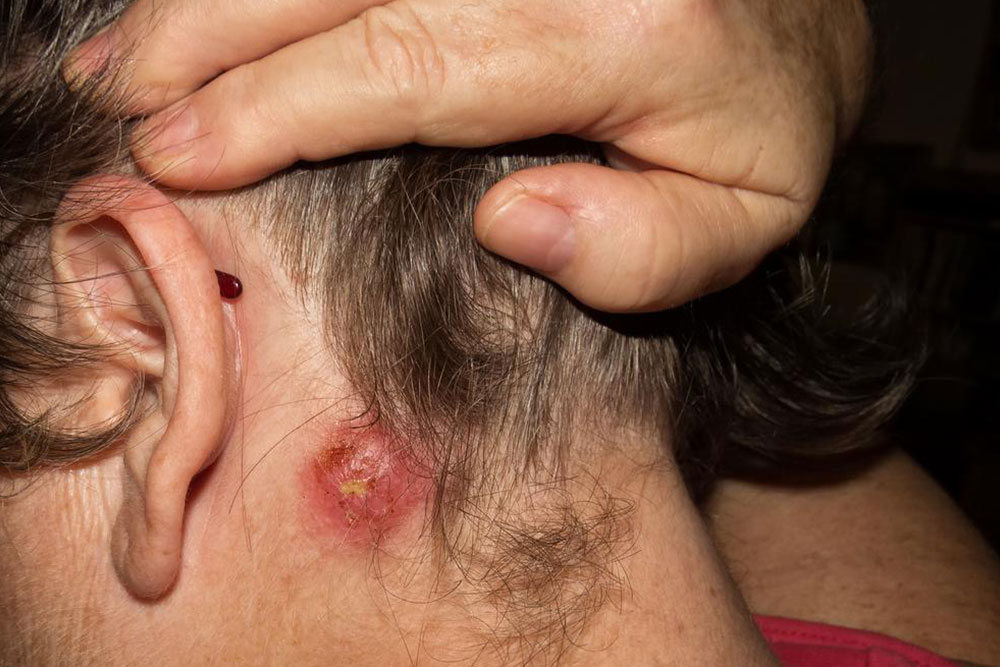
Staphylococcus bacteria are ubiquitous and often harmless, but when they invade the body, they can cause a range of infections affecting various organs and tissues. Staph infections are particularly common and can manifest in different forms:
Skin boils, abscesses, or blisters that may be painful or itchy
Peeling or flaky skin around infected areas
Pus-filled blisters or sores
Wheezing, coughing, or difficulty breathing in cases involving the lungs
Bone pain, inflammation, and tenderness when bones are affected
Risk factors rendering individuals more susceptible include:
Open cuts, wounds, or skin abrasions that allow bacteria to enter
Consumption of contaminated food or water
Compromised immune systems due to chronic illnesses or medications
Existing chronic skin conditions such as eczema or dermatitis
Underlying heart conditions increasing vulnerability to systemic spread
Most cases of staph infections respond well to topical antibiotics and proper wound care. Severe or resistant infections may necessitate intravenous antibiotics and hospitalization for effective treatment.
Salmonella Infection (Salmonellosis): How It Spreads and Its Symptoms
Salmonella is a bacterium responsible for causing gastrointestinal illness known as salmonellosis. It is a major foodborne pathogen, often linked to contaminated food sources. Infection occurs when raw or undercooked foods contaminated with the bacteria are ingested, or through other contact routes:
Eating raw or undercooked eggs, poultry, or seafood
Drinking unpasteurized milk or contaminated dairy products
Consuming fruits and vegetables contaminated with infected water or soil
Symptoms of salmonella infection typically include:
Sudden high fever
Nausea and vomiting
Chills and shivering
Headaches and body aches
Abdominal cramps and pain
Diarrhea, which may contain blood in severe cases
Initial management involves rehydration, electrolyte replacement, and symptomatic relief. Antibiotics are sometimes prescribed for severe infections or in vulnerable populations like the elderly or immunocompromised individuals.
Influenza (Flu): A Common and Highly Contagious Respiratory Illness
Influenza, commonly called the flu, is a contagious respiratory disease caused by influenza viruses. It primarily affects the nose, throat, and lungs, leading to widespread sickness during seasonal outbreaks. Symptoms can range from mild to severe and include:
Fever and chills that can last several days
Intense headaches and muscle pains
Persistent cough and sore throat
Extreme fatigue and weakness
Nasal congestion and runny nose
Complications are more common in high-risk groups such as the elderly, people with chronic health conditions like heart, kidney, liver diseases, or diabetes. Managing flu symptoms involves rest, hydration, antiviral medications, and supportive care to prevent secondary bacterial infections.
Norovirus: The Winter Vomiting Virus and Its Impact
Also known as the winter vomiting bug, norovirus is a highly contagious pathogen responsible for acute gastrointestinal illness. It spreads rapidly in crowded environments, including households, cruise ships, or healthcare facilities. Symptoms include:
Severe stomach cramps and nausea
Vomiting and diarrhea, often severe
Low-grade fever and chills
Muscle aches and headaches
Transmission occurs through ingestion of contaminated food, water, or contact with contaminated surfaces. Shellfish harvested from polluted waters are commonly implicated. Since antibiotics are ineffective, treatment focuses on rest and rehydration. Good hygiene practices are essential in preventing its spread.
Comprehending these diseases' causes, symptoms, and preventive strategies is vital for individuals and communities. Early detection and prompt treatment are crucial in reducing transmission rates and avoiding severe health complications. Always seek professional medical advice if you experience symptoms associated with these illnesses to ensure proper care and recovery.