Essential Human Foods That Are Safe for Cats to Eat
Discover the top human foods that are safe and nutritious for cats. From cooked fish and meat to eggs and cheese, learn how to share meals responsibly and keep your feline friend healthy. This comprehensive guide offers practical tips and safety precautions to enhance your pet’s diet while ensuring their wellbeing. Explore the best ways to incorporate these foods in moderation and understand why commercial cat food remains essential for balanced nutrition, reinforcing your bond with your furry companion responsibly.
For many cat owners, sharing a bite of their favorite meals with their feline companions is a natural way to express affection. However, not all human foods are suitable for cats, and some can pose serious health risks. Knowing which foods are safe and beneficial for your feline friends helps ensure their well-being and happiness. In this comprehensive guide, we’ll explore the top human foods that are safe for cats to enjoy in moderation, detailing how to serve them properly and highlighting important precautions to keep your pet healthy.
Healthy Fish Options for Cats
Fish is a favorite among many cats due to its appealing aroma and flavor. Offering oily fish such as salmon, mackerel, or tuna can be highly nutritious for your feline. These fishes are excellent sources of omega-3 fatty acids, which play a crucial role in maintaining your cat’s eye health, supporting their joints, and boosting brain function. To ensure safety, always serve fish that has been cooked thoroughly—boiling, baking, or steaming are preferable methods. Raw fish can harbor parasites or bacteria, which may lead to digestive disturbances or more serious health issues. Remember to remove any bones carefully to prevent choking or internal injuries, and avoid giving your pet fish seasoned with salt, spices, or other additives that can be harmful.
Cooked Meat for Cats
Meat is an integral part of a cat’s natural diet, rich in vital proteins necessary for maintaining muscle mass and overall vitality. When offering meat, ensure it is cooked thoroughly—boiling, baking, or steaming—to eliminate harmful bacteria like E.Coli or Salmonella. Raw or undercooked meat can pose serious health risks, including food poisoning or bacterial infections. Serve plain, without added salts, seasonings, or sauces. Small portions of cooked chicken, turkey, or beef can be highly beneficial and palatable for your cat, especially if they are recovering from illness or need a nutrient boost.
Nutrient-Rich Eggs for Cats
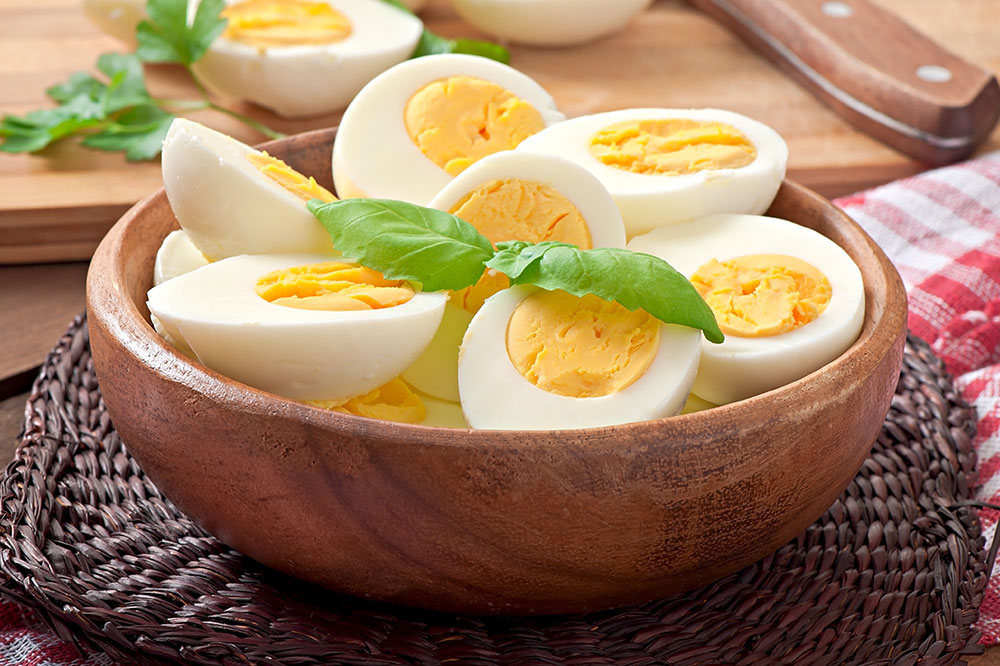
Eggs are a fantastic natural source of high-quality protein and contain vital vitamins, including B vitamins that are essential for maintaining cognitive functions and overall health. Hard-boiled eggs are the safest option for sharing with your cat; they eliminate the risk of foodborne illnesses associated with raw eggs. Be cautious not to feed eggs seasoned with salt or spices, and always serve in moderation as part of a balanced diet. Eggs can be particularly helpful in providing extra nutrition for kittens, senior cats, or those with certain health deficiencies.
Occasional Cheese as a Treat
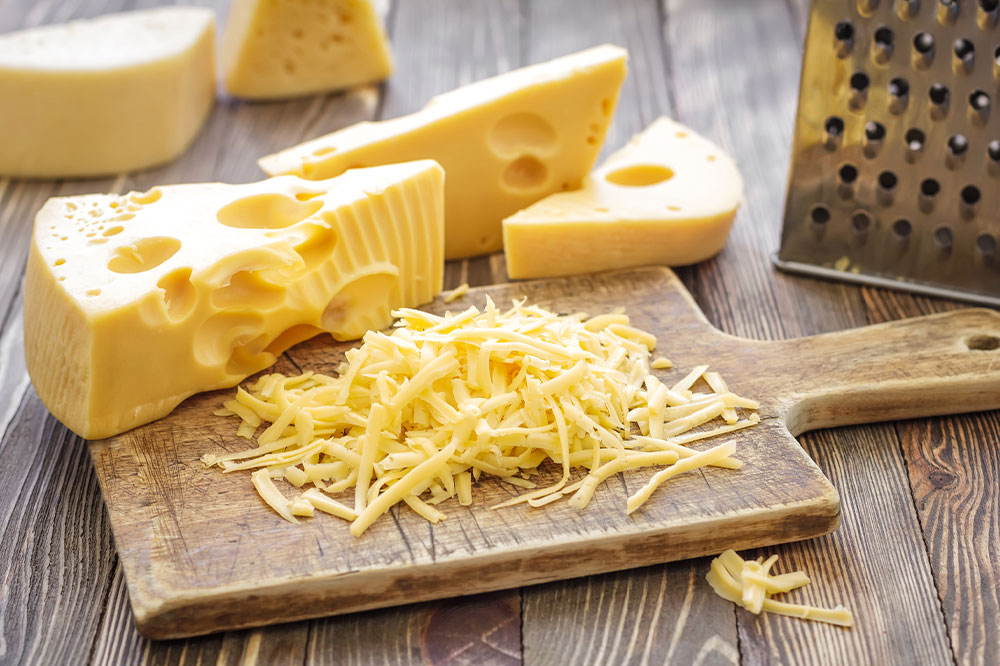
Small amounts of cheese can serve as a tasty and supplementary source of calcium and protein for cats. However, many feline pets are lactose intolerant, meaning they lack the enzyme needed to digest lactose in dairy. Feeding cheese in moderation allows you to treat your cat without upsetting their digestive system. Observe your pet for any signs of intolerance, such as diarrhea or stomach upset, and discontinue if adverse reactions occur. Opt for plain, unsalted cheese varieties and keep portions small to avoid unnecessary weight gain or discomfort.
Important Considerations and Safety Tips
While sharing your meals might seem a warm gesture, it’s important to remember that commercial cat foods formulated specifically for feline nutritional needs remain the safest and most balanced options. Premium brands like GREENIES offer dental health treats and complete diets; Taste of the Wild specializes in grain-free options rich in natural ingredients; and IAMS provides comprehensive formulas tailored to your cat’s age and activity level. Always consult your veterinarian before introducing new human foods into your pet’s diet, especially if they have underlying health conditions or dietary restrictions. Moderation is key—overfeeding certain human foods can lead to obesity, nutritional imbalances, or digestive upset. Properly prepared and served human foods can be a delightful supplement to your cat’s diet, but they shouldn’t replace complete and balanced commercial options.
In conclusion, understanding which human foods are safe for cats enables you to share enjoyable moments with your pet responsibly. Incorporating safe, nutritious human foods like cooked fish, meat, eggs, and small quantities of cheese can enrich your cat’s diet and strengthen your bond. Always prioritize your pet’s health by serving foods appropriately prepared and in moderation, and regularly consult with your veterinarian to ensure their dietary needs are met comprehensively.