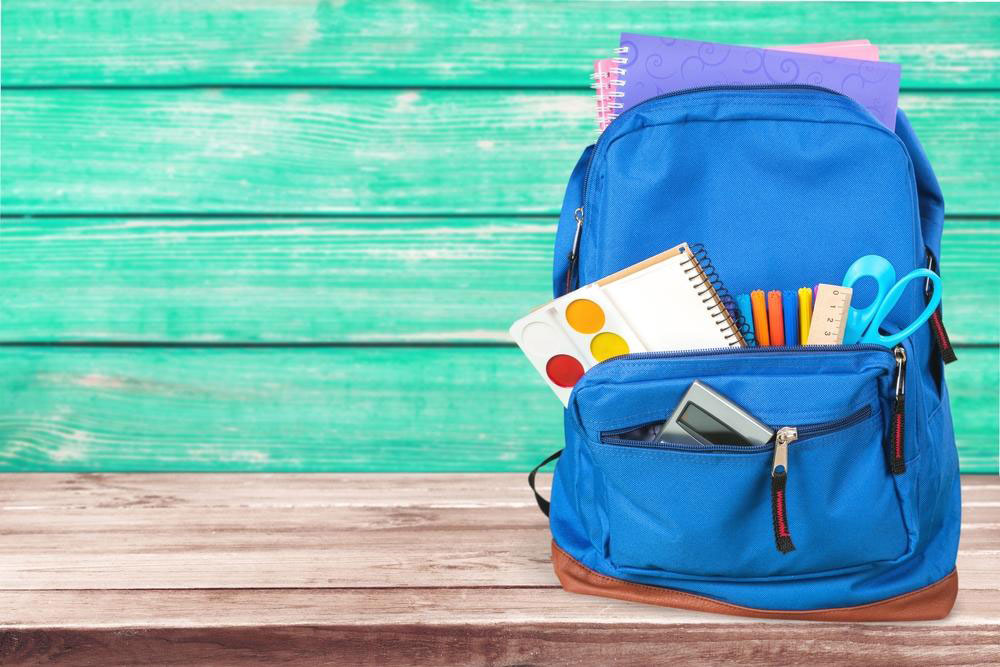
Comprehensive Guide to Choosing the Ideal School Backpack for Your Child's Comfort and Safety
Discover comprehensive tips for choosing the ideal school backpack that combines durability, comfort, and safety. This guide covers size selection, organizational features, and ergonomic design to ensure your child's academic success and physical health. Learn how to make an informed decision that supports your child's daily needs and long-term posture health, making back-to-school preparations seamless and stress-free.
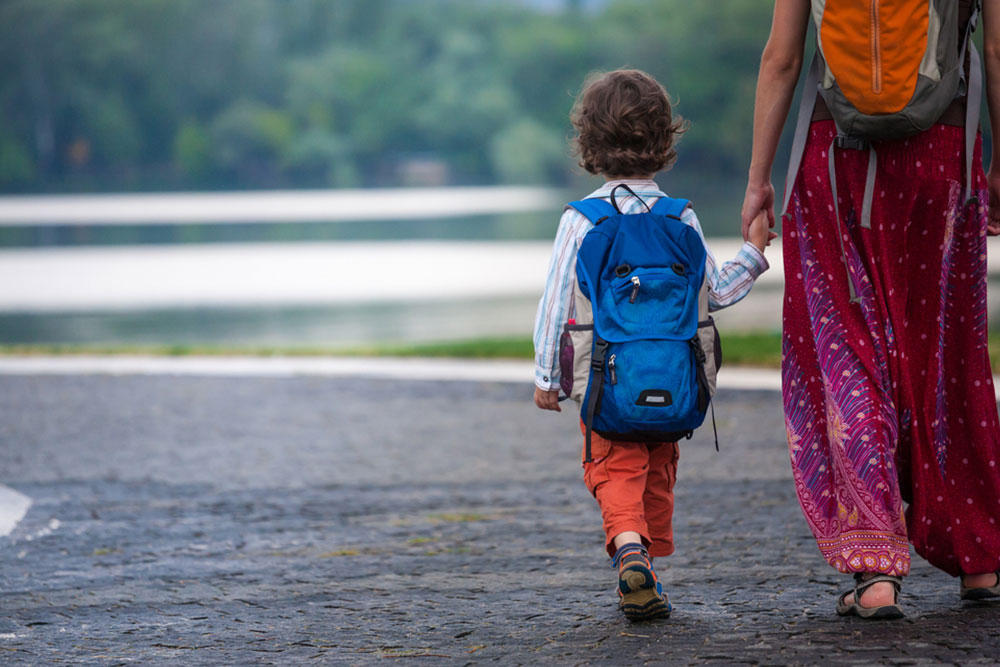
Essential Factors to Consider When Selecting a School Backpack for Your Child
Choosing the right school backpack is a vital part of preparing your child for the academic year ahead. It not only influences their comfort and safety but also reflects their personal style and promotes good posture habits. As children grow and their needs evolve, parents need to consider several important factors to ensure they select a backpack that’s both functional and fashionable.
The process of selecting an appropriate backpack might seem simple at first glance, but a closer look reveals the importance of evaluating various aspects beyond just appearance. Modern backpacks are designed with both style and practicality in mind, offering features that support health, organization, and durability. This comprehensive guide aims to highlight the most crucial considerations so you can make an informed decision that benefits your child's academic experience and overall well-being.
Keep these expert tips at hand to choose a school backpack that perfectly suits your child's needs while ensuring comfort, durability, and style.
Prioritize Durability and Quality
Choosing a durable backpack is essential, especially since children often carry books, laptops, lunchboxes, and other school essentials. High-quality materials such as strong nylon, polyester, or canvas are good indicators of longevity. Don't automatically opt for the cheapest option; investing in a well-constructed backpack reduces the need for frequent replacements and ensures safety during daily use. Look for reinforced seams, sturdy zippers, and resilient fabric that can withstand the rigors of a school environment.
Select the Right Size
The size of the backpack plays a vital role in maintaining your child's spinal health. An ideal backpack should fit snugly against their back with the bottom resting just above the waist. It should extend from about two inches below the shoulder blades to the waist, avoiding any excessive overhang. Too large or too small backpacks can cause poor posture, back pain, and discomfort. Encourage your child to try on different sizes to find one that fits comfortably and offers enough space for their school supplies without being bulky or heavy.
Ensure Comfort with Padded Straps and Ergonomic Design
Style is important, but comfort is paramount. Backpacks with wide, padded shoulder straps help evenly distribute weight and prevent shoulder strain. Adjustable straps allow customization for a perfect fit, reducing pressure points. A design that contours to your child's back with padded panels offers additional support and comfort during long school days. Avoid backpacks with thin straps or non-padded straps, as these can lead to discomfort and even long-term posture problems.
Focus on Organizational Features and Storage Capacity
Efficient organization is crucial for school success. Look for backpacks with multiple compartments, dividers, and pockets that help your child sort their belongings systematically. Larger main compartments can hold textbooks and notebooks, while smaller pockets are ideal for stationery, snacks, or electronic devices. Proper compartmentalization ensures heavier items are positioned closer to the back to minimize strain. Additionally, reflective strips or bright colors increase visibility and safety when commuting.
Additional Features for Enhanced Safety and Convenience
Some backpacks come equipped with features like waterproof materials, built-in reflective strips, and padded laptop sleeves. Waterproof fabric protects belongings from weather, while reflective accents enhance visibility in low-light conditions, boosting safety during morning or evening commutes. A dedicated padded compartment for electronic devices like tablets or laptops helps prevent damage. Adjustable chest straps and waist belts can also improve load distribution, making carrying easier and more comfortable for your child.
In conclusion, selecting the perfect school backpack involves a careful balance of durability, size, comfort, organization, and safety features. Taking the time to evaluate these aspects ensures your child can carry their school essentials efficiently while maintaining good posture and comfort. Remember, the right backpack not only supports your child's academic day but also promotes their physical health and confidence. Investing in a quality, well-fitting backpack is an investment in your child's well-being and educational journey.