Ultimate Lawn Mower Maintenance Guide: Four Essential Steps to Keep Your Equipment in Top Condition
Learn how to maintain your lawn mower effectively with this detailed guide. Discover four key steps including reading the manual, draining old fuel, inspecting the undercarriage, and monitoring engine oil. Proper maintenance enhances mower performance, extends its lifespan, and ensures your lawn looks fantastic each season. This comprehensive advice is suitable for both new and experienced homeowners, helping you keep your equipment in top shape with simple, routine tasks to prevent costly repairs.
Ultimate Lawn Mower Maintenance Guide: Four Essential Steps to Keep Your Equipment in Top Condition
Maintaining a pristine and healthy lawn heavily depends on the performance of your lawn mower. Regular maintenance not only enhances the efficiency of your mower but also extends its lifespan, saving you money and effort in the long run. While it might seem daunting at first glance, caring for your mower is straightforward and can be successfully done with a little knowledge and routine. This comprehensive guide will walk you through four critical steps to ensure your lawn mower stays in optimal working condition for many seasons to come.
Keep the User Manual Accessible and Readily Available
Every lawn mower model comes with specific maintenance needs, functions, and technical details. These are clearly outlined in the user manual provided by the manufacturer. Whether you own a traditional push mower, a riding mower, or a zero-turn model, it's vital to keep this manual accessible. Familiarizing yourself with the manufacturer’s instructions helps prevent mistakes that could damage your mower or void the warranty. It also arms you with knowledge about routine procedures such as oil changes, blade sharpening, fuel handling, and safety instructions. Don’t underestimate the importance of reading through your manual thoroughly; each model can have unique needs that affect maintenance schedules and methods.
Drain Old Fuel After Each Mowing Session
One of the most overlooked aspects of mower maintenance is fuel management. Using stale or old gasoline can cause multiple issues such as poor engine performance, difficulty starting the mower, and potential internal engine damage. Gasoline degrades over time, forming varnish and gum deposits that can clog the fuel system. To prevent these problems, always drain residual fuel from your mower’s tank when you're done mowing. It’s best to do this before storage, especially if you won’t be using the mower for an extended period. After draining, refill with fresh gasoline before the next use. Remember, using clean, fresh fuel ensures smoother operation, reduces engine wear, and improves overall efficiency.
Inspect and Clean the Undercarriage Regularly
The underside of your mower, specifically the deck and blades, is prone to grass clippings, dirt, and debris buildup. This accumulation hampers airflow and causes uneven cutting, which can damage your lawn and decrease mower performance. Regular inspection involves turning off the mower, disconnecting the spark plug for safety, and flipping it onto its side or removing the deck for easy access. Use a wire brush, a scraper, or a putty knife to remove stubborn grass and dirt. Cleaning the deck helps prevent rust and maintains efficient airflow. Additionally, inspecting the blades for sharpness and damage is crucial; dull or bent blades can tear grass rather than cut it cleanly, diminishing lawn health. Sharpen blades periodically or replace damaged ones for best results. This routine maintenance is essential for achieving a professional-quality cut and extending the life of your mower.
Monitor Engine Oil and Change When Necessary
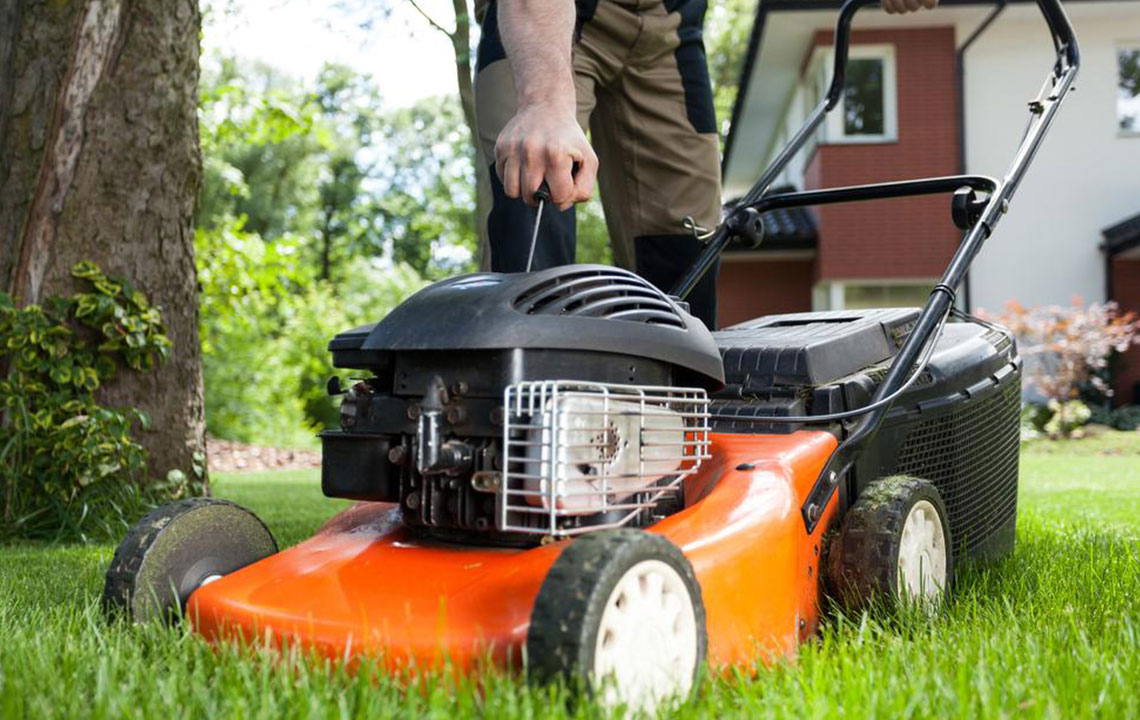
Engine oil plays a pivotal role in lubricating critical mower components, preventing overheating, and minimizing wear. Regularly checking the oil level and condition is a must for responsible mower ownership. To do this, locate the oil fill cap and dipstick, usually situated on the engine. Pull out the dipstick, wipe it clean, reinsert it, then remove it again to read the oil level. Oil should be at the designated full mark and be clear or amber in color. If the oil appears cloudy, dark, or contains debris, it’s time for an oil change. Drain the old oil by opening the drain plug or tilting the mower carefully if no drain plug exists. Replace the oil with the manufacturer-recommended type and quantity. Alongside oil checks, routinely sharpen or replace blades, clean air filters, and inspect belts and spark plugs to ensure peak mower performance. Investing in a quality mower with a reputable warranty provides added peace of mind and financial protection against potential repairs down the line.
By adhering to these four fundamental maintenance steps, your mower will operate efficiently, quietly, and reliably season after season. Proper care not only maximizes the lifespan of your equipment but also contributes to a healthier, more attractive lawn. Remember, regular maintenance is an investment that saves you money and effort in the long run, making it worthwhile to establish these routines as part of your lawn care regimen.