Beware: Common Human Foods That Can Harm Your Dog and How to Keep Them Safe
This comprehensive guide highlights common human foods that can harm dogs, emphasizing the importance of awareness and safety. It covers toxic foods like chocolate, grapes, onions, and more, offering practical advice for pet owners. The article also suggests safe feeding practices and quality dog food brands to ensure your pet's health and well-being. Protect your furry friend by understanding these dangers and making informed choices to keep them safe and happy for years to come.
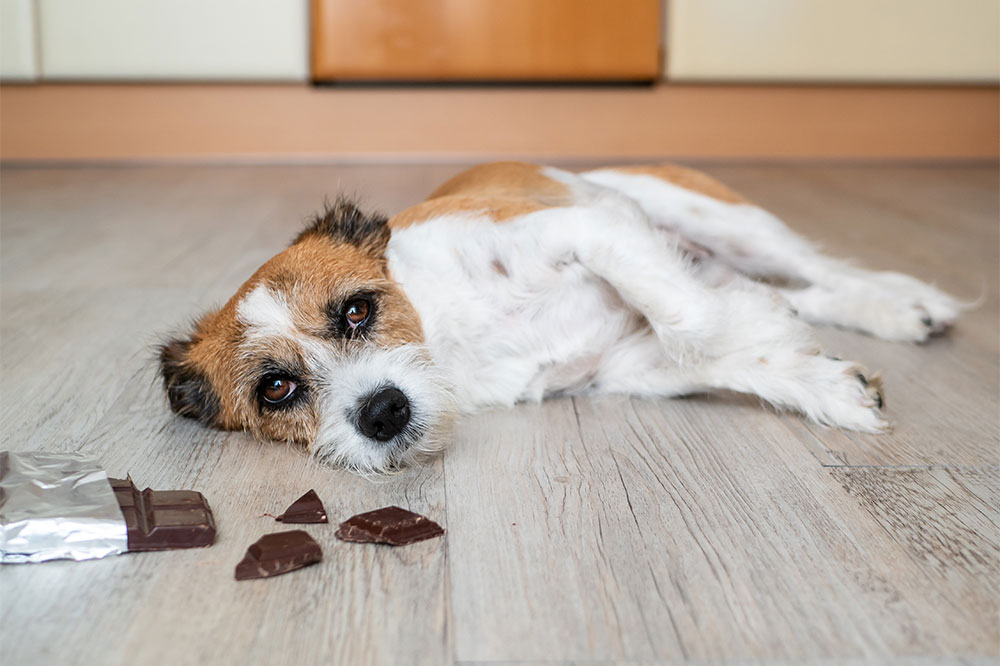
Many pet owners are unaware that several everyday foods safe for humans can be potentially deadly to dogs. While sharing treats with your furry friend might seem harmless, some human foods contain substances that can cause serious health problems, including poisoning, organ failure, or even death. It’s critical for pet owners to understand which foods should be avoided and how to protect their dogs from accidental ingestion of harmful items. This comprehensive guide aims to educate dog owners about common foods that pose risks and offers safe alternatives to keep your beloved pet healthy and happy.
Understanding the Dangers of Certain Human Foods
Humans have a vast variety of dietary choices that are beneficial for their health, but dogs have vastly different physiology and metabolic processes. Certain foods contain toxins or compounds that are harmless to humans but can be extremely dangerous to dogs. Recognizing these foods and ensuring they are kept out of your pet’s reach can prevent emergencies. Below, we delve into some of the most common and dangerous foods often found in households that can compromise your dog’s health and wellbeing.
Avocado – A Hidden Threat
Avocado is often hailed for its healthy fats and nutritional benefits to humans. However, the leaves, flesh, and skin of avocados contain persin, a toxin that is harmless to humans but dangerous for dogs. When dogs ingest avocado, they may suffer from breathing difficulties, fluid accumulation around the heart and lungs, and even more severe health issues. Even small amounts of avocado can cause health problems in some dogs, especially those with sensitivities. Therefore, it's safest to keep avocado and any foods containing it away from your dog.
Chocolate – A Classic Toxicant
One of the most well-known toxic foods for dogs, chocolate contains theobromine and caffeine, both of which are highly toxic to canines. Different types of chocolate pose varying levels of risk, with dark, baking, and unsweetened chocolates being the most dangerous. Ingesting chocolate can lead to symptoms such as vomiting, diarrhea, rapid breathing, increased heart rate, seizures, and in severe cases, coma or death. It’s imperative to keep all chocolate products, including cocoa powder and chocolate-flavored snacks, out of your pet’s reach. Properly storing chocolates in secure cabinets is one of the best preventative strategies.
Cooked Bones and Excess Fats – Not for Dogs
Many pet owners like to give their dogs bones, but cooked bones are particularly hazardous. When cooked, bones splinter easily, creating sharp fragments that can puncture or block the digestive tract, leading to choking and internal injuries. Raw bones, while less likely to splinter, still pose risks and should be fed with caution. Additionally, excessive fats from cooked or raw meat can cause pancreatitis in dogs, a painful and potentially life-threatening inflammation of the pancreas. Avoid offering your dog greasy scraps or cooked bones, opting instead for specially prepared dog treats or safe chew toys.
Xylitol – A Dangerous Sweetener
Xylitol is an artificial sweetener found in many sugar-free gums, candies, baked goods, and dental products. While safe for humans, it can cause a rapid and dangerous decrease in a dog’s blood sugar levels, leading to hypoglycemia. In some cases, xylitol ingestion can cause liver failure and even be fatal. If you notice your dog has ingested any product containing xylitol, seek veterinary emergency care immediately. Always read ingredient lists carefully before sharing human snacks with your pet.
Caffeinated Beverages – Avoid Fueling Your Dog’s Energy
Coffee, tea, energy drinks, and any caffeinated products should never be given to dogs. Caffeine affects dogs similarly to humans but results are more severe due to their smaller size. Symptoms of caffeine poisoning include hyperactivity, rapid breathing, tremors, seizures, and increased heart rate. Even small sips can trigger adverse reactions. Keep all caffeinated beverages securely stored away from your pet’s reach and avoid sharing these drinks intentionally or unintentionally.
Onions, Garlic, and Other Alliums – Damage to Red Blood Cells
Vegetables from the allium family, such as onions, garlic, leeks, scallions, and chives, contain compounds that damage canine red blood cells. This damage can cause anemia, which results in weakness, lethargy, pale gums, and vomiting. These symptoms may develop hours or days after ingestion, and severe cases require immediate veterinary attention. Never feed your dog any human food that contains these ingredients, and exercise caution in foods like soups and stews that may contain onion or garlic powders.
Grapes and Raisins – Risk of Kidney Failure
Grapes and raisins are popular snacks and ingredients in many foods, but they are highly toxic to dogs. Even small quantities can cause kidney failure, leading to dehydration, vomiting, diarrhea, and abdominal pain. Warning signs of poisoning include lethargy and decreased urination. If accidental ingestion occurs, seek prompt veterinary help. It's wise to keep grapes and raisins well out of reach and check ingredient lists carefully for their presence in processed foods or baked goods.
Salt and Sugar – Hidden Dangers
Excessive salt intake can lead to salt poisoning, which causes symptoms such as vomiting, diarrhea, tremors, seizures, and, in extreme cases, death. Conversely, high sugar consumption is associated with obesity and diabetes in dogs. Moderation is key when sharing human foods, and it’s best to avoid salty snacks and sugary treats altogether. Use pet-safe treats and foods formulated specifically for canine dietary needs to ensure your pet remains healthy.
Dairy Products – Not Always Friendly
While many dogs enjoy dairy, some experience gastrointestinal issues after consuming milk, cheese, or ice cream. Lactose intolerance is common in dogs, leading to vomiting, diarrhea, and stomach discomfort. Instead of dairy treats, opt for specially formulated dog snacks that are designed to be gentle on their digestive system. Always monitor your dog after trying new treats or foods, and consult your veterinarian if you notice any adverse reactions.
Macadamia Nuts – Less Known but Dangerous
Macadamia nuts contain toxins that can cause weakness, tremors, vomiting, and increased risk of pancreatitis in dogs. The exact toxins are not fully understood, but the adverse effects are well documented. It’s best to keep these nuts away from your pet entirely, especially considering their popularity in snack mixes and baked goods. Immediate veterinary attention is critical if your dog ingests macadamia nuts.
Proper Nutrition and Safe Treats for Your Dog
To keep your dog safe and healthy, it’s essential to feed them high-quality, nutritionally balanced dog food. Reputable brands like Just Right, NUTRO™, Natural Balance, and Pedigree® offer safe options that cater to various dietary needs, including grain-free, high-protein, and limited-ingredient formulas. For example, Pedigree® Adult Complete Nutrition features roasted chicken and rice, enriched with antioxidants and omega fatty acids, providing a balanced diet free from artificial flavors and sugars.
Remember, treating your dog doesn’t mean sharing harmful foods. Instead, opt for specially formulated and vet-approved treats designed to support their health. Regular veterinary consultations and careful attention to ingredient labels can help prevent accidental poisoning, ensuring your furry friend enjoys a long, healthy life by your side.
In conclusion, awareness and proactive measures are key to safeguarding your dog from common human foods that can pose serious health risks. By understanding these dangers and choosing appropriate dietary options, you can provide your pet with a safe, nutritious, and happy life.