Comprehensive Guide to Foods That Worsen Acid Reflux and How to Manage Them
This comprehensive guide explores the foods that trigger acid reflux and offers effective strategies to manage symptoms. Learn about dietary triggers like chocolate, caffeine, alcohol, spicy and fatty foods, and more. Discover practical lifestyle tips to reduce reflux episodes, including meal timing, weight management, and sleep positioning. Tailored advice can help alleviate discomfort, improve digestion, and enhance overall health. Whether you're experiencing frequent heartburn or occasional reflux, understanding these factors is essential for better digestive health and quality of life.

Understanding the Impact of Certain Foods on Acid Reflux
Acid reflux, medically known as gastroesophageal reflux disease (GERD), is a common digestive disorder characterized by the backflow of stomach acids into the esophagus. This condition often results in a burning sensation called heartburn, which can range from mild discomfort to severe pain. While many factors contribute to acid reflux, diet plays a crucial role in either alleviating or exacerbating symptoms. Recognizing which foods tend to trigger reflux is vital for effective management and improving quality of life.
At the core of acid reflux is the dysfunction of the lower esophageal sphincter (LES), a muscular ring that acts as a valve between the esophagus and stomach. When this sphincter weakens or relaxes improperly, acid can escape into the esophagus, leading to irritation and discomfort. Several factors—such as obesity, pregnancy, smoking, and certain medications—might compromise LES function. However, dietary choices are often the simplest and most effective way to curb reflux episodes.
Many foods and beverages are known to relax the LES or increase stomach acid production. These include highly spicy foods, fatty or fried foods, and certain drinks like caffeine and alcohol. Additionally, large meals and certain acidic foods can also exacerbate symptoms. By understanding these triggers, individuals can make informed choices that help prevent acid reflux episodes.
Top Foods That Trigger Acid Reflux
Chocolate: Chocolate contains methylxanthines, which can relax the LES, allowing acid to flow back into the esophagus. Its high fat content further delays stomach emptying, increasing reflux risk.
Caffeinated Drinks: Coffee, tea, and soda are known to stimulate acid production and relax the LES, leading to heartburn and discomfort.
Alcohol: Alcohol relaxes the LES and irritates the lining of the esophagus and stomach, contributing to reflux symptoms, especially in large quantities.
Fatty and Fried Foods: Foods rich in fats, such as fried items, pizza, and certain fast foods, slow down gastric emptying and relax the LES, making reflux more likely.
Spicy Dishes: Spices like chili, black pepper, and hot sauce can irritate the esophageal lining and trigger reflux episodes.
Carbonated Beverages: Sodas and fizzy drinks increase pressure in the stomach and can cause indigestion and reflux.
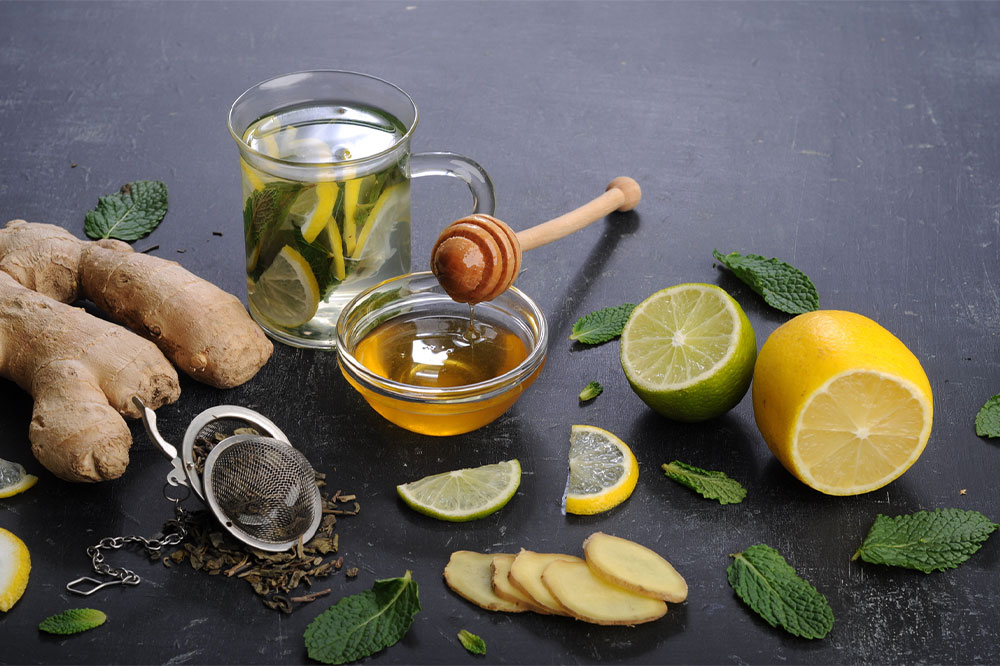
Mint and Peppermint: While soothing to some, mint relaxes the LES, promoting acid backflow.
Citrus Fruits: Oranges, lemons, grapefruits, and other citrus fruits are highly acidic and can irritate the esophagus when reflux occurs.
Tomatoes and Tomato-Based Products: Tomatoes are naturally acidic and can aggravate reflux symptoms when consumed in large amounts or in processed forms like sauces and ketchup.
Large Meals: Overeating increases stomach pressure, making it easier for acid to escape into the esophagus.
Strategies to Minimize Acid Reflux Symptoms
Managing acid reflux involves more than just avoiding certain foods; it requires adopting lifestyle habits that support digestive health. Here are some effective strategies:
Eat Smaller, More Frequent Meals: Instead of three large meals, opt for smaller portions throughout the day to reduce stomach pressure.
Avoid Eating Before Bedtime: Wait at least 2-3 hours after eating before lying down or going to sleep, giving your stomach time to digest.
Maintain a Healthy Weight: Excess weight increases abdominal pressure and contributes to LES dysfunction, so weight management is crucial.
Stay Upright After Meals: Sitting or standing after eating can prevent acid from moving upward into the esophagus.
Limit Trigger Foods: Keep a food diary to identify specific items that worsen your symptoms and eliminate or reduce them.
Dress Comfortably: Wearing loose-fitting clothes reduces pressure on the stomach area.
Manage Stress: Stress can increase stomach acid production, so incorporate relaxation techniques like yoga or meditation.
Use Elevated Sleep Positions: Sleeping with the head of the bed slightly elevated helps prevent acid reflux during the night.
The Importance of a Personalized Approach
While general guidelines are helpful, every individual responds differently to various foods. Consulting with a healthcare professional or a registered dietitian can provide personalized advice tailored to your specific needs. Moreover, if acid reflux persists despite dietary and lifestyle modifications, medical treatments such as antacids, H2 blockers, or proton pump inhibitors might be necessary under professional supervision.
Understanding the link between diet and acid reflux is essential for managing this common condition. By identifying and avoiding common triggers, individuals can enjoy a more comfortable and healthier digestive experience. Remember, making consistent lifestyle adjustments is often the most effective way to reduce the frequency and severity of reflux episodes, leading to better overall well-being.