Effective Topical Solutions to Relieve Shingles Pain and Discomfort
Discover effective topical solutions and home remedies to soothe shingles discomfort. This comprehensive guide covers symptoms, risks, and multiple treatment options including creams and natural remedies, helping sufferers manage pain and promote healing effectively. Consult healthcare professionals for personalized advice to ensure optimal recovery.
Effective Topical Solutions to Relieve Shingles Pain and Discomfort
Understanding Shingles: Causes, Symptoms, and Risk Factors
Shingles, medically known as herpes zoster, is a reactivation of the varicella zoster virus—the same pathogen responsible for chickenpox in childhood. After recovering from chickenpox, the virus doesn't fully leave the body; instead, it remains dormant hidden within the nerve tissues. Years later, certain factors such as weakened immune function, stress, or aging can trigger the virus to reactivate, leading to shingles. This condition predominantly affects older adults, especially those over 50, but it can also occur in younger individuals with compromised immunity. Most cases resolve completely with proper treatment, and recurrence is relatively rare, though re-infection is possible.
While shingles itself isn't contagious in the typical sense, the virus can spread to people who haven't had chickenpox or haven't been vaccinated against it, potentially causing them to develop chickenpox rather than shingles. Therefore, caution is advised, especially when blisters are open and weeping.
Recognizing the Symptoms of Shingles
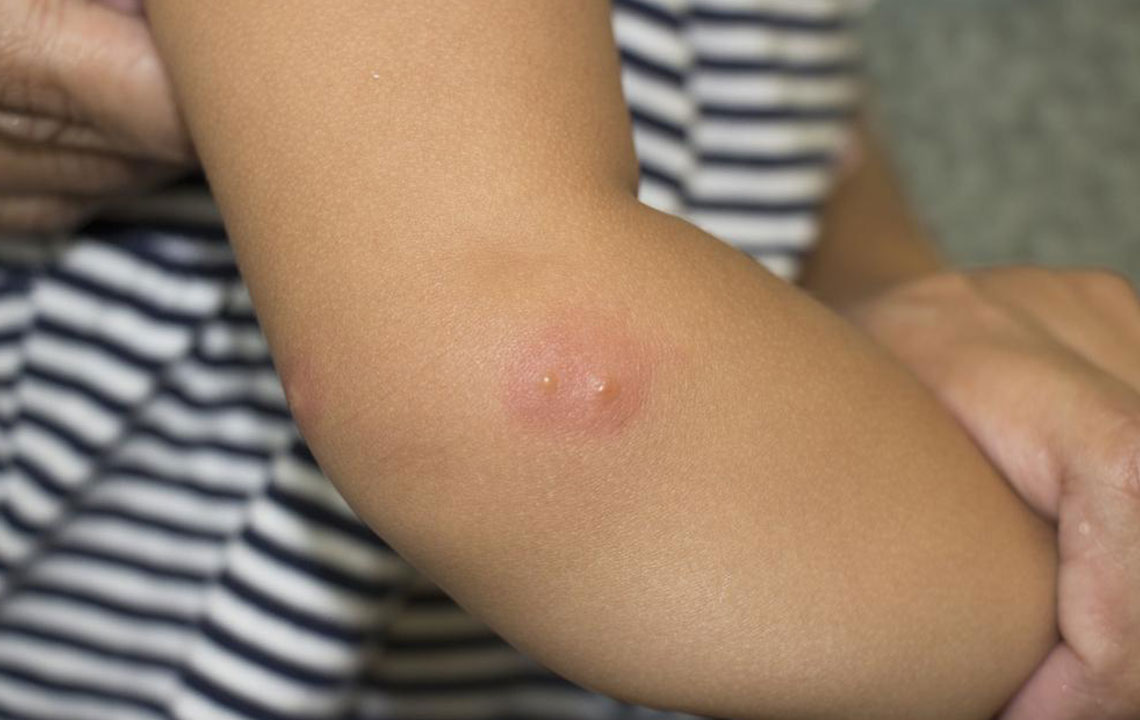
The primary symptom of shingles is intense, persistent pain, often described as dull, stabbing, burning, or tingling sensations. This pain can precede the appearance of the rash by several days. The characteristic rash appears as red patches, which quickly develop into clusters of fluid-filled blisters. These blisters are not only painful but also intensely itchy, often causing discomfort and irritation. The affected areas are usually localized to one side of the face or torso, often following a dermatome pattern—a band or strip along nerve pathways.
In some cases, swelling and inflammation around the rash are noticeable. When the rash appears near or on the eyes, it can lead to serious complications, including nerve damage and vision impairment if left untreated. Additional symptoms associated with shingles may include headaches, fatigue, fever, muscle and joint pain, nausea, and increased sensitivity to touch. The blisters may sometimes form band-shaped patterns that resemble burn damage, marking the severity and distribution of the rash.
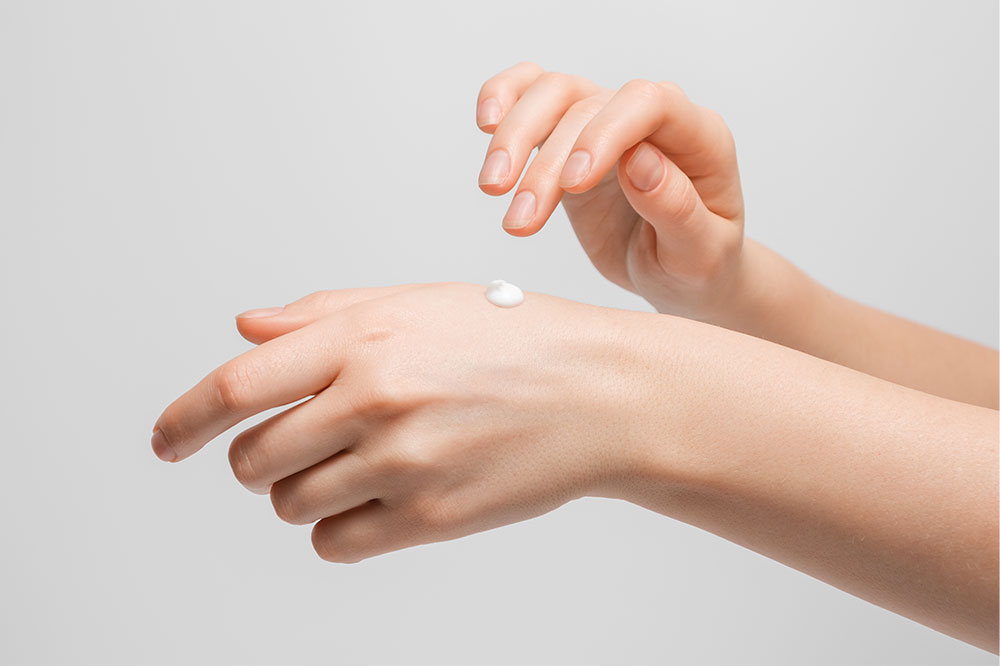
Managing shingles-related pain and itchiness is crucial for comfort and healing. Over-the-counter (OTC) topical creams can serve as effective adjuncts to prescribed antiviral therapies by providing localized relief. Proper topical application can help reduce inflammation, soothe pain, and prevent secondary infections or irritation. However, it is essential to consult your healthcare provider before beginning any new treatment, especially in cases involving eye involvement or severe symptoms.
Here are some highly recommended topical creams that can help ease shingles symptoms:
Hydrocortisone creams – Select products containing at least 1% hydrocortisone to combat inflammation and reduce itching quickly, providing significant relief from discomfort.
MagniLife Pain & Itch Gel Relief – This gel combines natural soothing ingredients such as aloe vera and witch hazel, which diminish pain, itchiness, and swelling while aiding in the drying phase of blisters.
Terrasil Shingles Skin Care Ointment – Formulated with peppermint oil, beeswax, jojoba oil, and zinc oxide, this ointment offers a cooling sensation that alleviates itching and discomfort while promoting skin healing, making it suitable for sensitive skin.
Peaceful Mountain Shingles Rescue Plus – A homeopathic topical option infused with herbs like lavender, arnica, and yarrow, designed to help manage pain, soreness, and tingling sensations associated with shingles.
Before extensive use, always perform a patch test to check for allergic reactions. Pregnant or breastfeeding women should seek advice from their healthcare provider before applying any topical remedies.
In addition to medical treatments, several simple home remedies can help reduce discomfort associated with shingles:
Cold compresses – Applying a cold pack or damp cloth to affected areas several times daily can numb pain, decrease inflammation, and provide immediate relief.
Aloe vera extract – Known for its healing, antioxidant, and antibacterial properties, aloe vera can soothe itchy blisters, promote healing, and reduce inflammation.
Baking soda paste – Creating a paste by mixing baking soda with water and applying it to blisters can dry out the lesions, decrease tenderness, and relieve itching.
Proper management of shingles symptoms through combination therapies—including topical solutions, home remedies, and medical consultation—can significantly improve comfort and hasten recovery. Always seek professional guidance for severe symptoms or complications, especially involving vision or nerve damage. With timely intervention, most individuals experience satisfactory recovery and minimal long-term effects.