Essential Shower and Bathing Practices to Protect Your Skin Health
Discover expert-approved bathing habits to protect your skin. Learn why limiting shower time, avoiding over-scrubbing, using gentle products, and selecting soft towels are essential for healthy skin. Incorporate safe bathing options like walk-in tubs for enhanced safety and comfort, especially for the elderly or mobility-impaired. Upgrade your daily routine for healthier, more resilient skin and overall well-being.
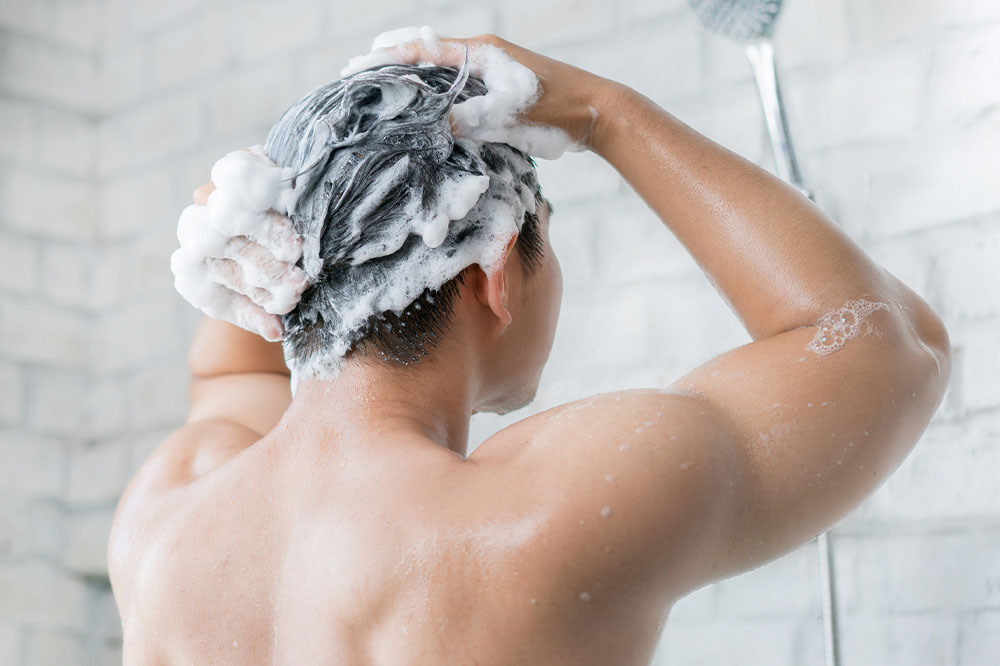
Engaging in daily bathing and showering routines is a fundamental part of personal hygiene and relaxation for millions around the world. While these practices are vital for cleanliness, the way we bathe can significantly impact our skin's health. Many individuals unknowingly adopt habits that may lead to dryness, irritation, or damage over time. Therefore, understanding the correct bathing techniques and avoiding common mistakes is crucial to maintaining and enhancing your skin’s natural barrier and overall health. This article delves into the top four bathing habits to steer clear of and offers practical tips for safer, healthier skincare during your daily routines.
Understanding the Impact of Prolonged and Hot Showers
One of the most prevalent habits that can harm your skin is taking excessively long or very hot showers. After a tiring day, many find comfort in soaking under hot water for 15 or more minutes, but this seemingly relaxing activity can have unintended consequences. Hot water and extended exposure strip away the skin’s natural oils, which serve as a protective barrier against external irritants and prevent moisture loss. When these oils are depleted, the skin becomes drier, more prone to cracking, redness, and irritation. It’s essential to limit your showers to a maximum of about 10 minutes, with warm rather than hot water, to preserve the skin's natural hydration.
In addition to reducing duration, maintaining a moderate water temperature will help prevent excessive dryness. If you prefer hotter showers, consider gradually decreasing the temperature or opting for lukewarm water to provide the soothing effect without compromising skin health. Remember, balancing comfort with skin protection is key to a healthy bathing routine.
Proper Techniques to Avoid Over-Scrubbing During Cleanse
Another common mistake is aggressive scrubbing, often motivated by the desire to quickly remove dirt and sweat. Using rough tools such as abrasive loofahs, exfoliating gloves, or even nails can cause micro-tears or irritation on the skin’s surface. This can lead to redness, inflammation, or even breakouts, especially in sensitive areas. Instead, it’s advisable to cleanse the skin gently with your hands or soft cloths, applying mild pressure to remove dirt and excess oil.
An effective approach includes using a gentle, sulfate-free cleanser with soothing ingredients like aloe vera or chamomile. Pick a product suited for your skin type, whether oily, dry, or sensitive, and avoid overly harsh formulations. This gentle cleansing method ensures your skin stays clean without compromising its natural barrier or causing unnecessary stress that could exacerbate skin conditions.
Moderation in Soap Usage for Skin Preservation
Soap is undeniably a necessary element of personal hygiene, but overusing it or selecting harsh varieties can do more harm than good. Many people apply soap excessively or use heavily scented, chemical-laden products that strip the skin of essential oils and disrupt the pH balance. This can lead to dryness, itching, or dermatitis, especially for individuals with sensitive or already compromised skin.
To avoid these issues, use soap sparingly—just enough to cleanse effectively. Opt for mild, fragrance-free soaps or cleansing bars formulated for sensitive skin. These products typically contain moisturizing ingredients like glycerin or natural oils that help maintain hydration. Additionally, focus on washing areas that need the most cleaning, such as armpits and groin, and rinse thoroughly to prevent soap residue from lingering on the skin. This mindful approach ensures your skin remains nourished, flexible, and less prone to irritation.
The Importance of Using Gentle Towels After Bathing
The choice of towel also plays a significant role in maintaining skin health. Rubbing the skin vigorously with rough or coarse towels can cause microscopic abrasions and strip away the scalp’s remaining moisture. Sensitive skin areas such as the face, neck, and décolletage are particularly susceptible to irritation from abrasive fabrics.
Instead, select soft, high-thread-count towels made from natural fibers like cotton or bamboo. After showering, gently pat your skin dry instead of rubbing vigorously. This delicate process helps retain your skin’s natural oils, keeping it smooth, supple, and well-hydrated. Proper drying techniques are especially beneficial during winter months or in dry climates, where moisture preservation becomes even more critical.
Additional Tips and Safe Bathing Options
To complement proper bathing habits, consider incorporating equipment and modifications that enhance safety and comfort, particularly for elderly individuals or those with limited mobility. For instance, walk-in tubs such as models by Safe Step are designed with low thresholds to minimize the risk of slips and falls. These tubs often include features like multiple jets for a soothing massage, a built-in chair, and a handheld shower for targeted rinsing and convenience.
Using such accessible bathing options ensures that safety is prioritized without sacrificing comfort and hygiene. Moreover, maintaining a consistent skincare routine after bathing—such as applying moisturizers while the skin is still slightly damp—can further lock in hydration and prevent dryness.
Conclusion: Cultivating Healthy Bathing Habits
Incorporating these mindful bathing practices into your daily routine can significantly improve your skin health and overall well-being. Avoid prolonged hot showers, refrain from aggressive scrubbing, use gentle and suitable cleansing products, and choose soft towels for drying. Additionally, consider safe bathing equipment that caters to specific needs, especially for vulnerable populations. By making small yet impactful changes, you can enjoy the relaxing benefits of bathing while protecting your skin from unnecessary harm. Remember, healthy skin starts with gentle and informed care routines that respect your body’s natural defenses.