Comprehensive Guide to the Top Materials for Achieving a Lush Lawn Through Topdressing
Discover the top 10 materials essential for effective lawn topdressing to create a lush, healthy, and resilient lawn. This comprehensive guide covers natural amendments like peat moss, worm castings, and seaweed, as well as practical items such as topsoil, sand, and fertilizer. Learn how each material benefits your soil, promotes growth, and enhances water management. Expert tips on avoiding common mistakes ensure successful lawn maintenance and optimal results. Achieve a vibrant landscape with the right topdressing strategies tailored to your lawn’s unique needs.
Essential Materials for Effective Lawn Topdressing
A vibrant, healthy lawn stands as a symbol of pride for many homeowners and property managers alike. Beyond mere aesthetics, a lush green yard contributes significantly to curb appeal, property value, and outdoor enjoyment. Achieving and maintaining such a verdant landscape involves various lawn care practices including watering, weed control, mowing, fertilization, and crucially, soil management. One of the most effective methods to improve soil quality and promote healthy grass growth is through lawn topdressing.
Understanding Lawn Topdressing and Its Benefits
Top dressing involves applying a thin, even layer of specific materials over the existing turf. This process plays a vital role in enhancing soil structure, supplying essential nutrients, and optimizing water retention and drainage. It can also help rectify surface irregularities, reduce thatch buildup, and promote uniform turf growth. When implemented correctly with suitable materials, lawn topdressing can transform an average lawn into a lush, resilient green space.
There is a diverse selection of materials suitable for lawn topdressing, each offering unique benefits depending on soil type, lawn condition, and specific lawn care goals. Below is an expanded overview of top ten essential materials for successful lawn topdressing:
Peat Moss
One of the most trusted natural soil amendments, peat moss excels at moisture retention, especially useful during dry periods. Its fibrous structure helps loosen compacted soil, improving drainage and aeration, which are critical for healthy root development. Over time, peat moss gradually releases nutrients, supporting robust turf growth. It's ideal for balancing soil acidity and improving overall soil health, making it a cornerstone material in many topdressing mixes.
Grass Clippings
Post-mowing grass clippings are a readily available organic resource that can be reused as a natural fertilizer. When dispersed over the lawn, they decompose quickly, releasing nitrogen—a key nutrient for green, vigorous growth. Incorporating grass clippings into topdressing adds organic matter, enhances soil fertility, and promotes eco-friendly lawn maintenance. This practice also reduces waste and supports sustainable gardening.
Topsoil
Premium topsoil serves as a foundation for lawn improvement, especially when addressing uneven patches or filling leftover gaps. It enriches the existing soil profile, improving texture, water retention, and drainage capacity. Using selected topsoil ensures compatibility with the underlying soil, providing a balanced medium that supports rooted grass and fosters a healthy root zone.
Worm Castings
Often dubbed as ‘black gold’ in organic gardening, worm castings are nutrient-dense organic soil amendments produced by earthworms. Rich in nitrogen, phosphorus, and potassium, they boost soil vitality, promote moisture retention, and improve microbial activity. Applying worm castings during topdressing can significantly enhance soil fertility, leading to healthier, more resilient turf. They are safe, environmentally friendly, and enrich soil life, making them an excellent addition to organic lawn care regimes.
Sand
In lawns with poor drainage or compacted soils, sand is invaluable for improving permeability. It facilitates easier water passage and prevents waterlogging, reducing issues like fungal diseases and root rot. Sand can also be used to level uneven terrain by filling low spots, creating a more uniform surface. However, it's critical to use the correct grain size and quantity to avoid compaction or altering soil pH adversely.
Lime
Soils with high acidity can hinder grass root growth and nutrient uptake. Lime application helps neutralize soil pH, creating a more balanced environment conducive to healthy grass development. Additionally, liming can improve soil structure, reduce clay soil compaction, and promote beneficial microbial activity. Regular testing and proper application of lime ensure optimal soil conditions that support vigorous turf growth.
Seaweed
Seaweed extracts and meal are rich sources of natural minerals like nitrogen, phosphate, and potassium, essential for plant vitality. Seaweed acts as an organic fertilizer, stimulating root development and strengthening the plant’s immune response. It also improves soil moisture retention, enhances microbial activity, and offers resistance against pests and diseases. Incorporating seaweed into topdressing routines can lead to stronger, more resilient lawns.
Mushroom Manure
A byproduct of mushroom farming, mushroom compost contains a balanced mix of organic nutrients such as nitrogen, phosphorus, and potassium. It improves soil texture, water holding capacity, and supports beneficial microbial life. Mushroom manure can help suppress lawn pests and weeds while enhancing overall soil health. It’s a sustainable and organic choice for lawn enthusiasts seeking eco-friendly topdressing options.
Fertilizer
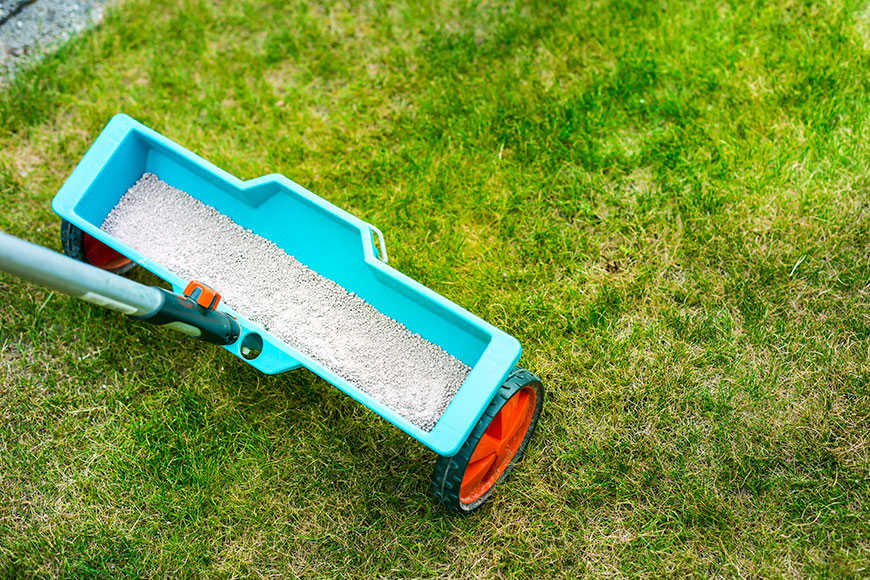
Commercial fertilizers, formulated with concentrated nutrients like nitrogen, phosphorus, and potassium, are essential for promoting vigorous, lush grass growth. Correct application following manufacturer guidelines can significantly improve turf quality, especially during active growing seasons. The choice of fertilizer depends on specific lawn needs; for example, high nitrogen blends foster rapid green-up, while balanced fertilizers support overall turf health.
Compost
Rich in organic matter, compost is a versatile soil conditioner perfect for natural lawn topdressing. It improves soil structure, enhances drainage, and supplies a broad spectrum of nutrients that encourage lush, dense grass. Compost also supports beneficial soil microorganisms, which play a vital role in nutrient cycling and soil resilience. Regularly incorporating compost into topdressing routines promotes sustainable lawn health and reduces reliance on chemical fertilizers.
Common Lawn Maintenance Mistakes and How to Avoid Them
Over-fertilizing Applying excessive fertilizer can cause fertilizer burn, excessive growth, and increased stress on the lawn, leading to a weaker root system.
Using inappropriate dressings For example, applying sand on clay soils without proper blending can cause poor drainage or compaction, undermining the lawn’s health.
Neglecting Lawn Preparation Before dressing, removing debris, thatch, and aerating the soil ensures better penetration of materials, water absorption, and overall effectiveness of the topdressing process.
Lack of Professional Advice When dealing with large lawns or unfamiliar soil conditions, consulting landscape or turf management experts ensures appropriate material selection and precise application, maximizing results.
By understanding your lawn’s specific needs, preparing adequately, and choosing the right top dressing materials, you can significantly enhance your lawn’s health, appearance, and resilience. Carefully following recommended guidelines for application and maintenance helps ensure a thriving, lush lawn that adds beauty and value to your property.