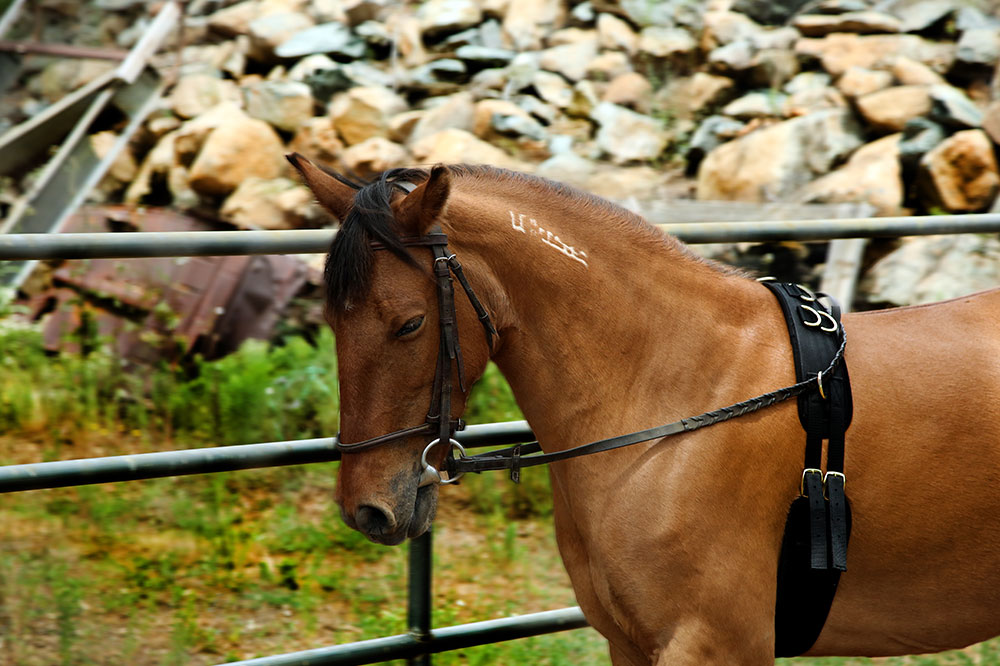
Essential Horse-Training Equipment for Beginners: Top 3 Must-Have Tools
Discover the top three essential tools every beginner horse trainer must have. Learn how a proper halter, lead line, and lunge whip can facilitate effective communication, build trust, and improve safety during groundwork training. These foundational tools are vital for beginners to establish a solid base for successful horse training and create a positive, productive experience for both horse and handler.
Essential Horse-Training Equipment for Beginners: Top 3 Must-Have Tools
Starting horse training can be both exciting and challenging, especially for beginners. Having the right tools at your disposal not only makes the process more manageable but also ensures the safety and well-being of both the horse and handler. Proper equipment helps correct unfocused or undesired behaviors, establish clear communication, and foster a trusting bond between you and your horse. Although it might seem overwhelming to select from so many options, there are a few fundamental tools that are absolutely essential for those just beginning their equestrian journey.
Below, we explore the three most important tools that every novice trainer should have. These tools provide a solid foundation for effective training sessions and help build confidence for both rider and horse.
Halter
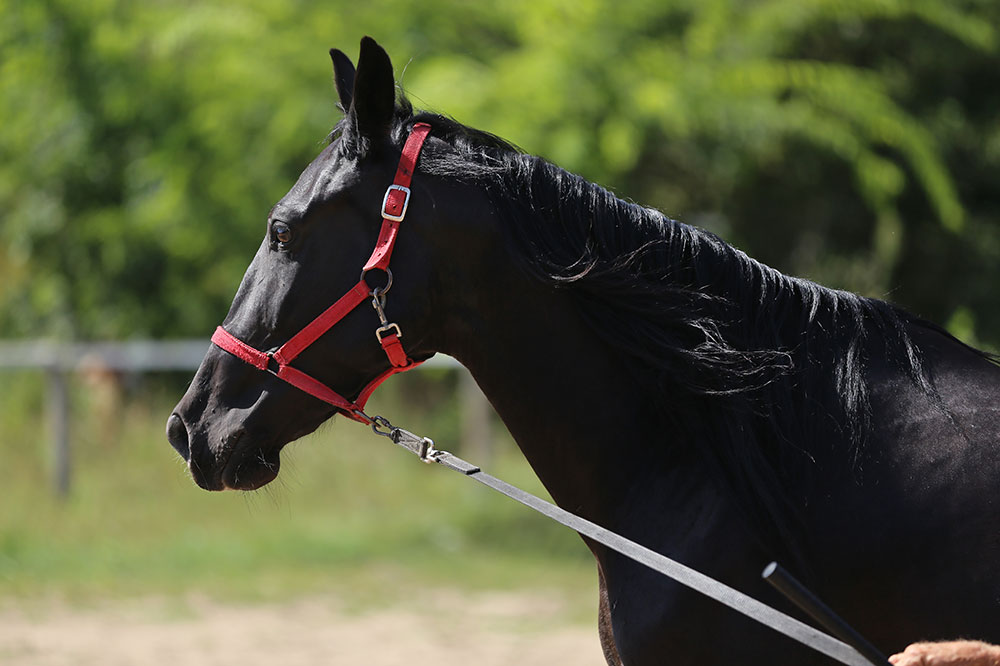
The halter is arguably the most critical piece of equipment in horse training. It serves as the primary means of control and communication with your horse when you are on the ground. Crafted from durable materials like nylon or leather, halters are designed to fit comfortably while offering reliable functionality. The design typically includes adjustable straps around the nose, behind the ears, and underneath the jaw, allowing for a snug but gentle fit tailored to your horse’s size.
Halter knots or pressure points positioned on specific areas of the face enable you to communicate your commands effectively. When adjusted properly, a halter allows you to guide your horse, lead them safely, and introduce basic commands such as stop, go, or turn. It’s vital to remember that halters are intended for guidance and training, not for punishment. Using positive reinforcement alongside halter training encourages trust and cooperation.
Moreover, selecting the right type of halter depends on your specific training needs. Leather halters, for example, tend to be more durable and comfortable, though they require more maintenance. Nylon halters are lightweight and easy to clean, making them popular for everyday use. When choosing a halter, ensure it fits correctly—neither too tight nor too loose—to prevent discomfort or injury.
Lead Line
The lead line, or lead rope, is an essential accessory that attaches to the halter and extends your reach. It provides a safe way to control the horse while walking, leading them around, or performing training exercises. Lead lines come in various lengths, typically ranging from 6 to 12 feet, allowing for flexibility depending on the trainer's skill level and the training environment.
A longer lead offers increased freedom for the horse to move naturally while allowing you to maintain control from a safe distance. This is especially beneficial for beginners who are still developing their handling skills. When used correctly, the lead line helps reinforce commands and establish boundaries, fostering respect and understanding between you and your horse.
It’s important to handle the lead line properly—never yank or jerk on the rope. Instead, use gentle, consistent pressure combined with positive cues. Always ensure the clip attaching the lead to the halter is secure to prevent accidental releases during training sessions.
Lunge Whip
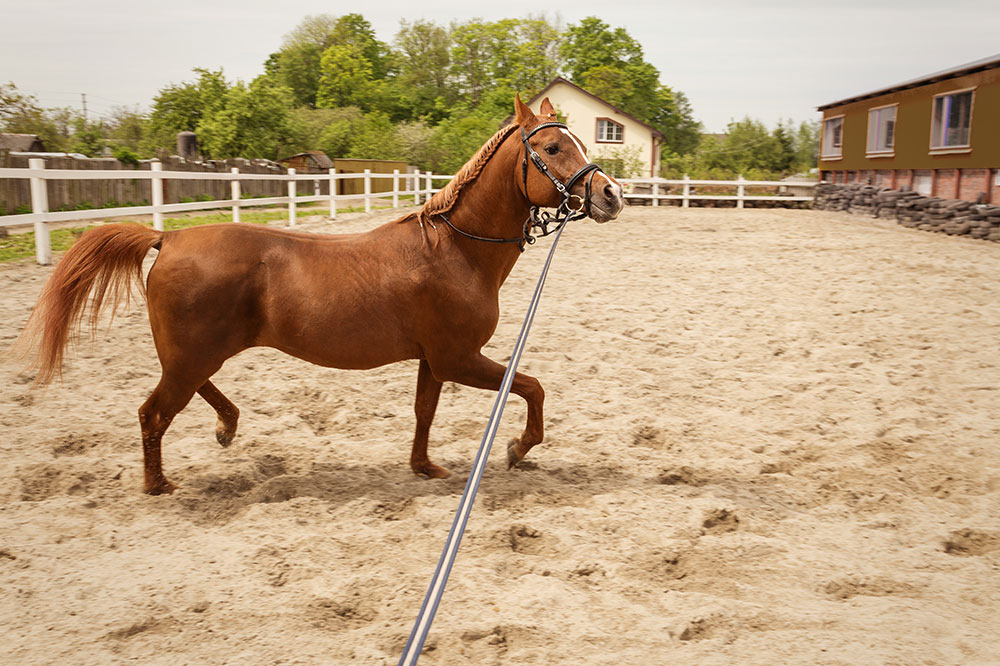
The lunge whip is a versatile and invaluable tool for ground training, especially for beginners. Usually measuring over four feet in length, it is used to direct the horse’s movement in a circle on the lunge line or lead line. The whip is not meant to hit the horse but to serve as a visual and tactile cue, signaling commands from a safe distance.
One of the main benefits of the lunge whip is that it helps build communication and responsiveness. By gently tapping or pointing the whip in the direction you want the horse to go, you can reinforce commands like walk, trot, or canter on command. It is also an effective tool for desensitizing the horse to stimuli, helping them become accustomed to various touches and sensations, which is crucial for confident riding and handling.
Proper use of the lunge whip entails maintaining a relaxed and consistent rhythm. Avoid excessive force or abrupt motions, as this can cause fear or confusion. Instead, focus on guiding the horse calmly and clearly, making the training experience positive and productive.
In summary, a lunge whip helps strengthen communication and enhances groundwork training. When used correctly, it fosters trust and respect, laying the foundation for more advanced riding skills in the future.
In conclusion, having the right foundational tools is crucial for anyone beginning horse training. The halter, lead line, and lunge whip form a fundamental set that allows trainers to teach, control, and communicate effectively with their horses. Investing in quality equipment and learning proper handling techniques not only boosts confidence but also ensures safety and promotes a positive training environment. Whether you’re just starting or looking to improve your groundwork skills, these essential tools will serve you well on your equine journey, helping you build a strong relationship based on trust, respect, and mutual understanding.