Comprehensive Guide to Preventing Hair Thinning and Promoting Healthy Hair Growth
Discover effective strategies to prevent hair thinning and promote healthy hair growth. This comprehensive guide covers causes, daily hair care routines, choice of shampoos, and lifestyle tips to help you achieve thicker, stronger hair. Incorporate expert-recommended practices and products for visible improvements in hair density and vitality.
Comprehensive Strategies to Prevent Hair Thinning and Maintain Healthy Hair
Are you noticing increasing hair shedding or thinning hair? Experiencing the loss of more than 100 strands daily can be a sign of underlying issues that require attention. Many women and men observe their hair becoming visibly thinner, especially after washing or styling. Hair health is influenced by a variety of factors, including nutrition, lifestyle, environmental exposures, and genetics. Understanding these causes and adopting an effective hair care routine can make a significant difference in maintaining thicker, healthier hair.
Hair thinning and loss can be distressing, but with proper knowledge and proactive measures, you can slow down or even reverse some of these effects. This comprehensive guide explores the common causes of hair thinning, practical tips for prevention, and recommended products that can support your hair health journey.
Understanding the Causes of Hair Thinning
Before diving into prevention tips, it's essential to understand what might be causing hair thinning in the first place. Several factors contribute to hair loss, and identifying the root cause can help tailor an effective approach. Here are some of the most common reasons behind hair thinning:
Poor Nutrition: An unbalanced diet lacking in essential nutrients such as proteins, iron, biotin, and omega fatty acids can weaken hair shafts and slow hair growth.
Mineral Deficiencies: Deficiencies in zinc, iron, and other vital minerals can impair hair follicle health and lead to increased shedding.
Medications and Medical Conditions: Certain medications, including those for blood pressure, depression, or chemotherapy, may cause hair loss. Additionally, underlying health issues like thyroid disorders, autoimmune diseases, and hormonal imbalances can contribute.
Stress and Lifestyle: Chronic stress, lack of sleep, and lifestyle habits like smoking can negatively impact hair growth cycles.
Environmental Factors: Pollution, exposure to harsh chemicals, and UV rays can damage hair strands and scalp health.
Genetics: Hereditary patterns are significant contributors, with male and female pattern baldness being common genetic traits.
Practical Hair Care Practices for Thicker, Stronger Hair
Adopting the right hair care routines is crucial to prevent further thinning and promote new growth. Here are essential practices to incorporate into your daily and weekly regimen:
Limit Use of Heat Styling Devices: Frequent use of blow dryers, curling irons, and flat irons can cause heat damage to hair strands. Whenever possible, opt for air drying or use heat protectant sprays to minimize damage.
Avoid Harsh Chemical Treatments: Perming, chemical dyes, bleaches, and relaxers can weaken hair structure. Minimize or avoid these treatments to preserve hair integrity.
Gentle Hair Handling: Avoid pulling or tightly tying your hair, as this can cause traction alopecia. Use soft hair ties and refrain from aggressive brushing, especially when hair is wet.
Regular Scalp Massages: Massaging your scalp with warm oils such as coconut, castor, or argan oil stimulates circulation, promotes stronger roots, and can encourage hair growth. Aim for a gentle massage for 5-10 minutes before bed.
Balanced and Nutritious Diet: Fuels your hair with essential building blocks. Incorporate lean proteins, omega-3 fatty acids, fruits, vegetables, and foods rich in biotin and iron to support healthy hair growth.
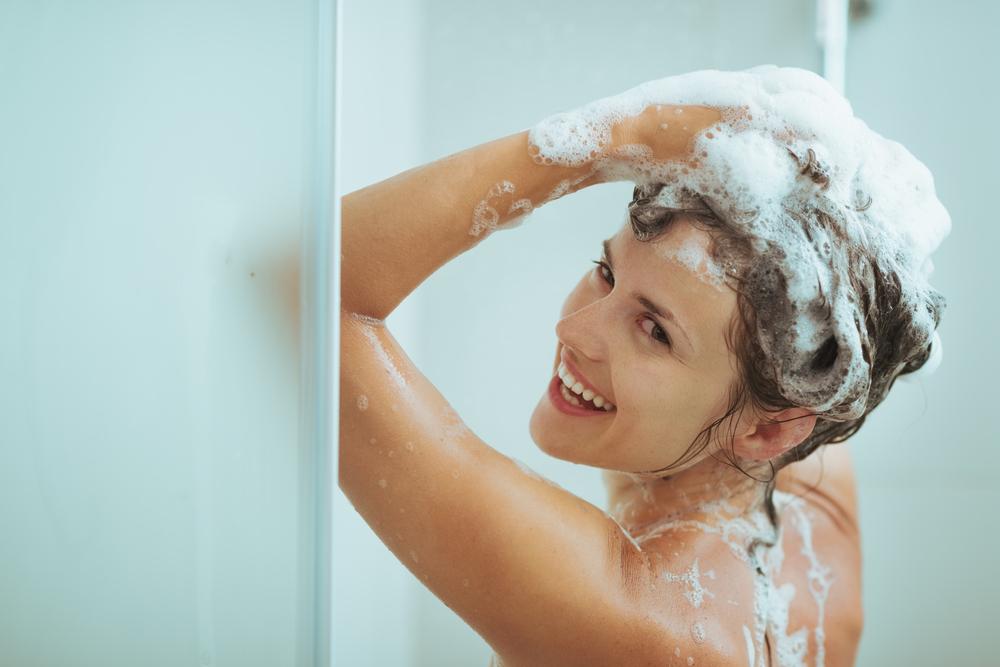
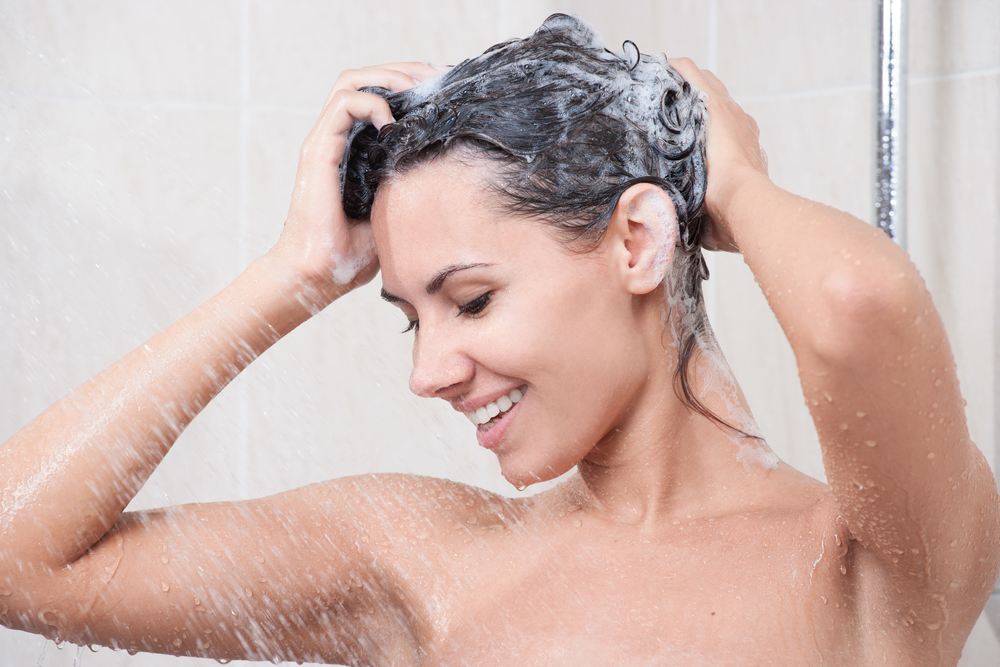
Proper Hair Cleansing: Use a shampoo suitable for your hair type that maintains scalp hygiene without stripping natural oils. Regular cleansing prevents fungal infections and scalp buildup that can impair hair health.
Choosing the Right Shampoo for Hair Loss Prevention
Hair loss can often be mitigated by selecting appropriate cleansing and nourishing products. Anti-hair loss shampoos are formulated to strengthen hair strands, nourish roots, and create an environment conducive to healthy growth. Here is what to consider when choosing a shampoo:
Gentle Cleansing Agents: Look for sulfate-free formulas that cleanse without stripping natural oils.
Ingredients that Promote Growth: Products containing biotin, caffeine, keratin, DHT blockers, and botanical extracts like saw palmetto, ginseng, or ginger can be highly beneficial.
Tailored to Hair Type: Whether your hair is straight, wavy, curly, or kinky, select shampoos designed for your specific texture to maximize benefits.
Consistency is Key: Regular use is essential for visible results. Incorporate the shampoo into your daily hair care routine for optimal effects.
Top-Rated Anti-Hair Loss Shampoos for Thicker Hair
There are numerous shampoos available on the market formulated to combat hair thinning and enhance volume. Here are some of the most acclaimed options, backed by user reviews and science:
Nioxin Cleanser: This botanical-enriched, alcohol-free shampoo effectively cleanses pollutants and excess oil, strengthening fine and thinning hair. Over time, many users report increased thickness and improved scalp health.
Laritelle Organic Shampoo: Crafted with natural ingredients such as cedarwood and ginger, this sulfate- and paraben-free formula supports scalp health and helps prevent hair loss while encouraging growth.
Art Naturals Organic Argan Oil Shampoo: Containing DHT blockers, this shampoo reduces damage caused by hormones that contribute to hair thinning. Users often observe a reduction in hair fall and visible growth enhancement within a few weeks.
Ultra Labs Hair Surge: Enriched with caffeine, it stimulates hair follicles, reducing shedding and promoting stronger, thicker hair over time.
Additional Tips for Hair Thinning Prevention
Beyond using suitable products and maintaining good hair hygiene, there are other lifestyle modifications that can support your hair health:
Manage Stress: Chronic stress can disrupt hair growth cycles. Engage in relaxation techniques such as meditation, yoga, or exercise to reduce stress levels.
Avoid Overdoing Chemical and Heat Treatments: Limit exposure to damaging substances and procedures that weaken hair strands over time.
Stay Hydrated: Proper hydration keeps scalp and hair moisturized, preventing dryness and brittleness.
Regular Medical Check-ups: Address underlying health issues like thyroid disorders or nutritional deficiencies with your healthcare provider to formulate targeted treatments.
In conclusion, while hair thinning can be concerning, understanding its causes and adopting a comprehensive hair care routine can significantly improve hair health. Combining proper diet, gentle treatments, suitable products, and lifestyle changes creates a strong foundation for thicker, fuller hair. Consistency and patience are key—healthy hair results from ongoing care and attention.