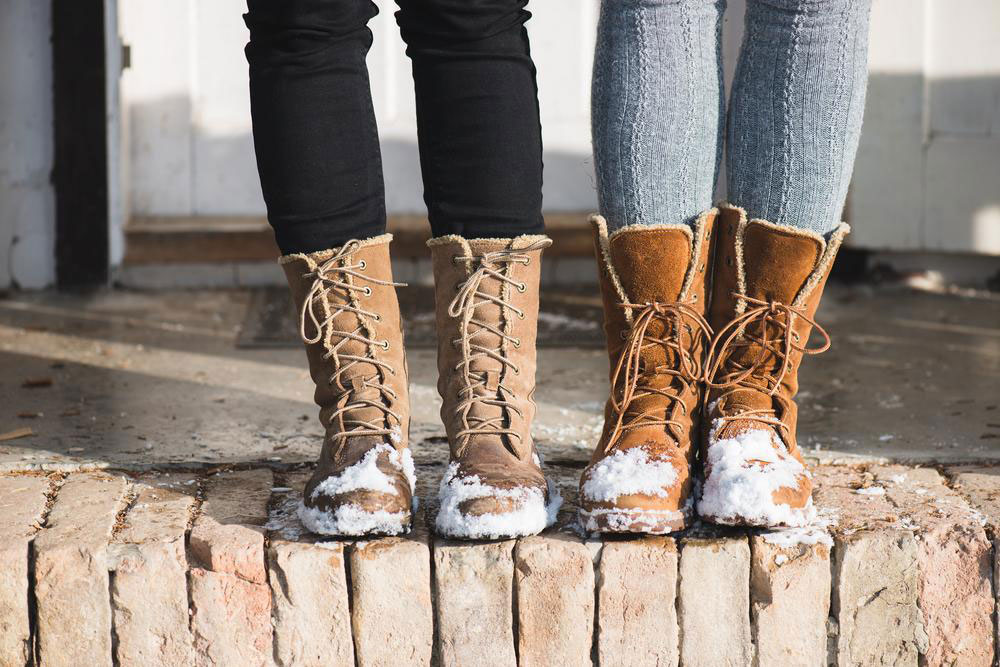
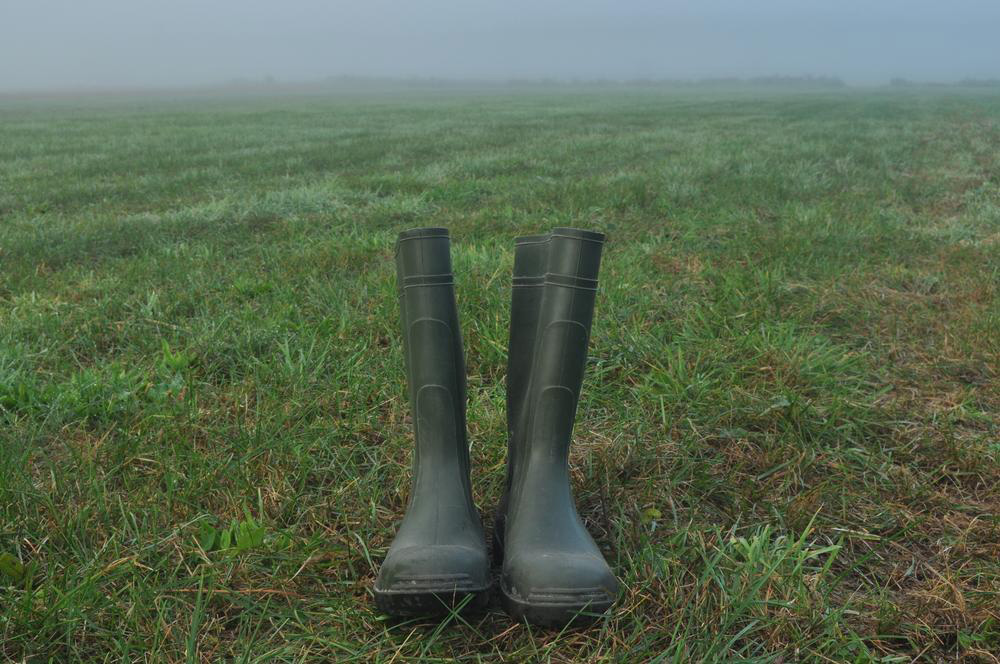
Comprehensive Guide to Choosing the Perfect Winter Footwear for Harsh Seasons
Find out how to select the ideal winter footwear to stay warm, dry, and stylish in cold weather. From insulation and temperature ratings to activity-specific features, this comprehensive guide covers everything you need to know for choosing the perfect winter shoes suitable for any outdoor adventure or daily commute during the cold season.
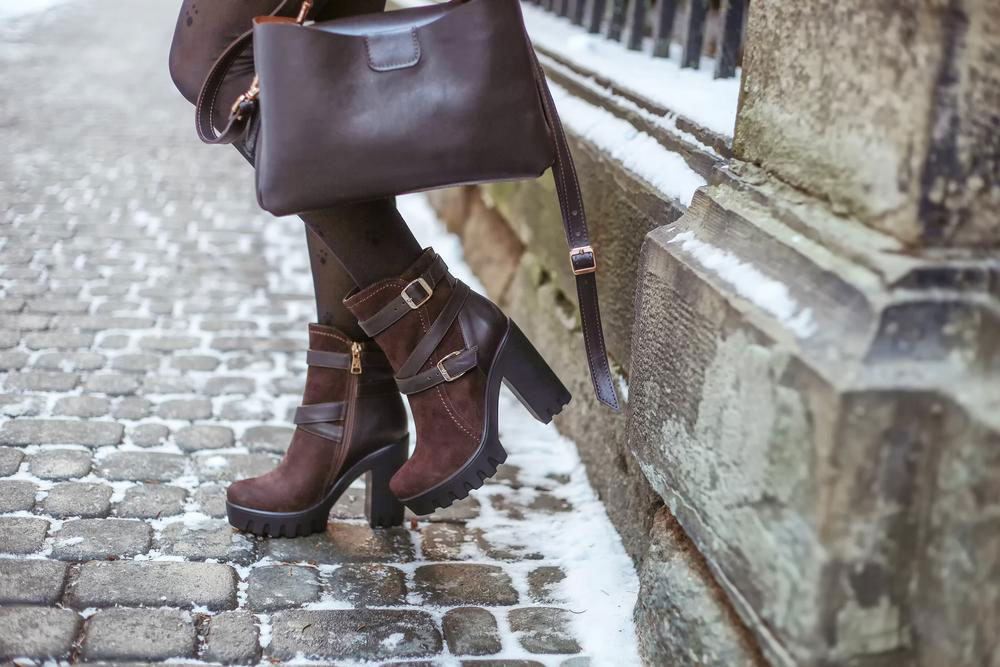
Expert Tips for Selecting the Best Winter Shoes for Cold Weather
As the cold winter months approach, selecting the appropriate footwear becomes essential for maintaining comfort, safety, and style. The right winter shoes protect against snow, ice, wind, and freezing temperatures, ensuring your feet stay warm, dry, and comfortable throughout the season. Whether you're navigating urban streets or venturing into snowy terrains, understanding the factors influencing winter footwear choices can make all the difference in enjoying the season without discomfort or health risks.
During milder winter days, fashion can take precedence—stylish options like V-neck sweaters paired with ankle-baring shoes may suffice. However, as conditions worsen with falling temperatures and increased snowfall, full coverage and insulation become vital. Proper footwear acts as a barrier against the elements, preventing frostbite, hypothermia, and other cold-related issues. This comprehensive guide explores the key considerations, top brands, and practical tips to help you select winter footwear that harmonizes style with functionality.
Temperature is arguably the most critical factor when choosing winter shoes. Boots designed for extreme cold—rated to withstand temperatures as low as -40°F—offer superior insulation. These boots provide reliable protection in snow-covered or icy environments and are suitable even for bitterly cold outdoor activities. Selecting footwear with a temperature rating below your anticipated conditions ensures your feet remain warm and comfortable throughout prolonged exposure to harsh weather. It is always advisable to choose boots with a lower temperature threshold than the expected outdoor climate for added security and peace of mind.
Another important consideration is the intended activity. Whether you're walking through deep snow, snowmobiling, engaging in winter hikes, or simply standing outdoors during cold days, different activities demand specific features in footwear. For example, high-traction soles are essential for icy terrains, while waterproof and insulated properties are crucial for snow-bound environments. For prolonged exposure, invest in boots that combine warmth with breathability to prevent moisture buildup and sweating, which can lead to cold feet or discomfort. Proper fit is equally important—ill-fitting boots can cause blisters, restrict movement, or fail to provide adequate insulation. Winter boots are typically designed to be slightly looser than regular footwear to accommodate thick socks, but they should still fit snugly enough to prevent cold air and moisture ingress. Adjustable laces, insoles, and wide sizes are beneficial for those with narrow or wide feet, ensuring a customized and secure fit for maximum warmth and comfort.