Comprehensive Guide to COVID-19 Vaccine Certification and Its Impact on Travel
This comprehensive guide explores COVID-19 vaccine certificates, their development, functionality, and influence on global travel. It discusses digital health passes, their use by airlines and governments, and their potential to reshape international mobility. The article also highlights ongoing debates over mandatory vaccination passports and the future of travel protocols, providing valuable insights for travelers, industry stakeholders, and public health officials.
Comprehensive Guide to COVID-19 Vaccine Certification and Its Impact on Travel
The COVID-19 pandemic has dramatically reshaped global travel and public health protocols since its onset in late 2019. As countries continue to navigate the challenges posed by the virus, one of the pivotal developments has been the introduction of COVID-19 vaccine certificates. These digital or physical documents serve as official proof of vaccination status, a key factor in easing travel restrictions and revitalizing the travel industry. This comprehensive guide explores the nature of COVID-19 vaccine certification, its development, usage, and the potential it holds for reshaping the future of international mobility.
Understanding COVID-19 Vaccination Certificates
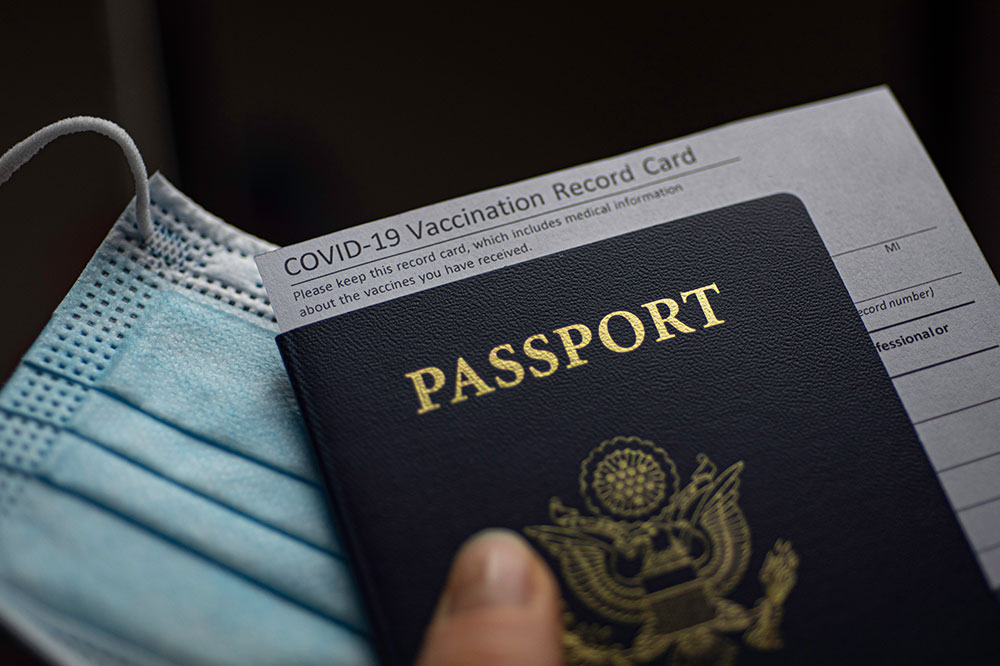
A COVID-19 vaccination certificate is an official document—either digital or printed—that confirms an individual has received a COVID-19 vaccine dose(s) or has recently tested negative for the virus through a valid test. These certificates act as a crucial tool in the effort to reopen borders, facilitate safe travel, and promote broader social and economic activities.
Historically, health certification has played vital roles in controlling contagious diseases. Governments worldwide have mandated vaccinations for diseases such as yellow fever, tuberculosis, and polio to prevent outbreaks. The modern COVID-19 vaccine certification builds on this legacy, providing a standardized method to verify vaccination status and streamline health security measures. As many nations open their borders and encourage tourism, these certificates ease entry restrictions, reduce quarantine durations, and enable access to social venues like restaurants, sports arenas, cinemas, gyms, and cultural festivals.
How Do COVID-19 Vaccination Certificates Work?
Most COVID-19 certificates are now digital, stored securely via smartphone apps, which allows authorities, airlines, and venues to validate a traveler’s health status rapidly. These digital certificates typically display essential details like the individual’s name, date of vaccination, vaccine type, doses administered, and recent testing results if applicable. In addition to digital versions, printed certificates remain in use for those preferring paper documentation or where digital verification is unavailable.
These digital health passes are designed for quick verification, reducing the time and effort needed to process travelers at airports, border crossings, and event venues. They enhance safety by ensuring that only vaccinated or recently tested individuals gain access to high-risk or restricted environments. The interface also allows for real-time updates and integration with health databases, ensuring the data remains current and reliable.
Leading organizations are developing and deploying these digital health passes to facilitate a safer reopening of international travel and social activities. Notable players include the International Air Transport Association (IATA), which launched the "IATA Travel Pass"; technology giants like IBM, and Clear, known for streamlining airport security. IATA’s Travel Pass enables users to upload and store proof of vaccination and negative testing results, which airlines such as Qantas, Singapore Airlines, and Qatar Airways are testing or implementing. IBM's Digital Health Pass aims to verify health credentials for workplace safety, large-scale events, and travel. Clear’s Health Pass, integrated with the Trusted Traveler Program, facilitates quick health status checks at airports, offering an additional layer of convenience and security.
Are Vaccination Certificates Mandatory for International Travel?
Currently, vaccine passports are not universally mandated. The World Health Organization (WHO) has emphasized that vaccination should not be compulsory for international travel, citing concerns about vaccine efficacy in preventing virus transmission, unequal global vaccine access, and privacy considerations. Many countries do not yet recognize or require digital vaccination certificates, and acceptance varies widely. However, certain nations and regions have adopted specific policies—such as Israel's "Green Passport," Denmark’s digital vaccination certificate, and New York State’s "Excelsior Pass"—which grant vaccinated residents preferential access to public venues, large gathering events, and international borders.
Global health authorities continue to monitor the efficacy and security of these certificates, aiming to achieve a balanced approach that encourages vaccination while respecting individual rights and addressing disparities in vaccine availability. As the situation evolves, the landscape of vaccine certification may witness further standardization, integration, and international acceptance, potentially making it a common requirement for many travel and social activities in the future.