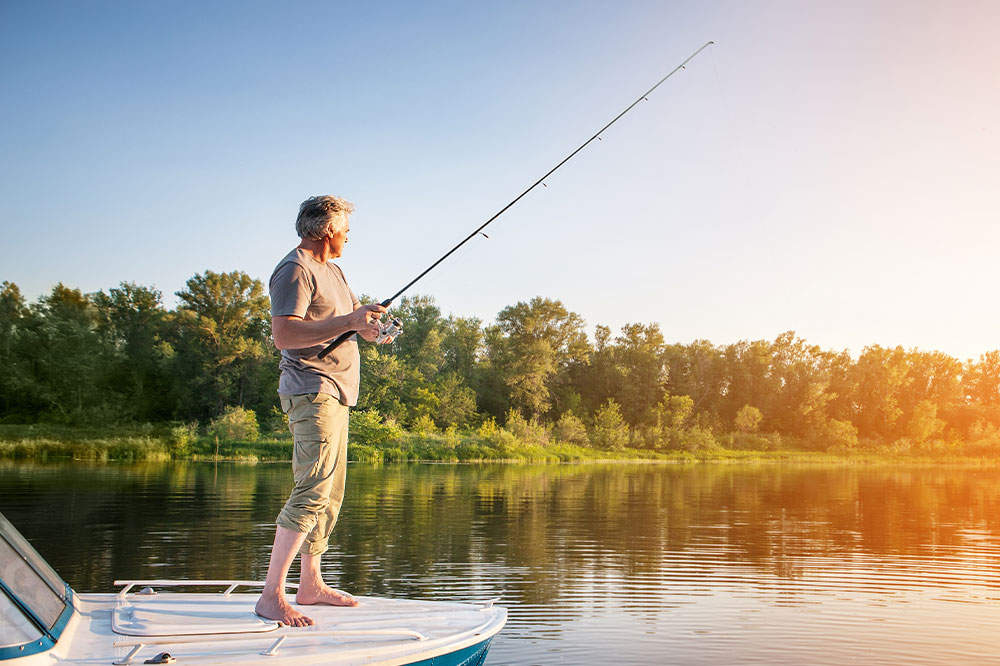
Comprehensive Guide to Using Fishery Reports for Successful Angling Trips
Discover how fishery reports can significantly enhance your fishing experience. This comprehensive guide explores how to interpret regional data—including water temperature, weather, tide conditions, and fish activity—to optimize your fishing trips. Learn tips for selecting the best bait, timing your outings, and understanding water conditions. Whether you're a novice or an experienced angler, utilizing fishery reports can increase your success rate, help you avoid unproductive trips, and ensure you enjoy more fruitful and satisfying fishing adventures. Stay ahead with expert insights and make every trip count!
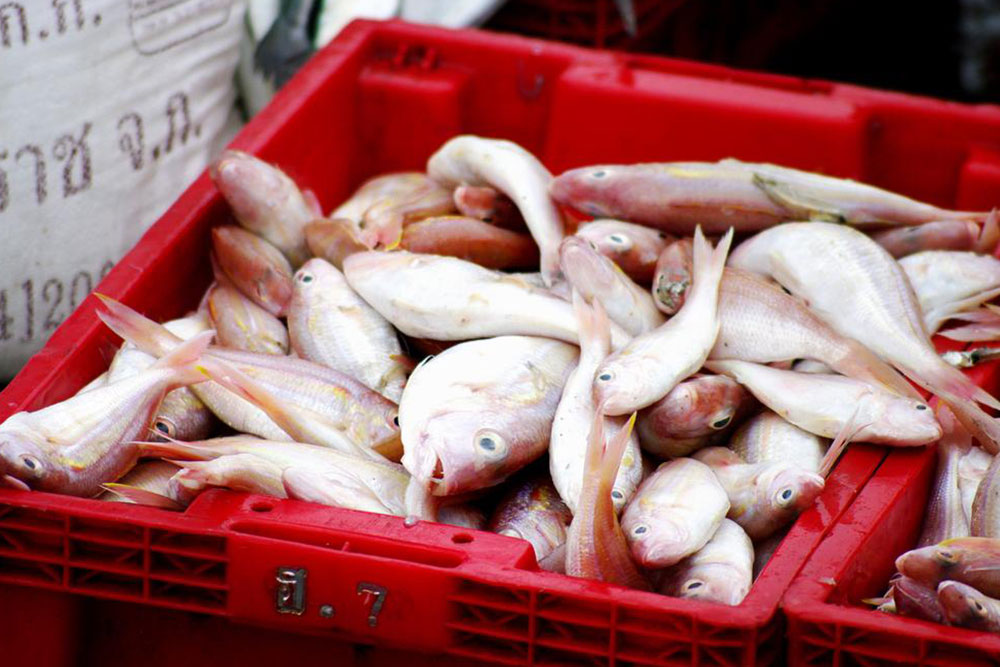
Comprehensive Guide to Using Fishery Reports for Successful Angling Trips
If you're passionate about fishing and want to maximize your chances of a successful outing, understanding and utilizing fishery reports is essential. These detailed documents provide valuable insights into fish populations, environmental conditions, and optimal fishing strategies. Whether you're planning a weekend fishing adventure or a casual day on the water, comprehensive fishery reports can dramatically improve your experience by helping you identify the best spots, times, and bait for catching your target species.
Fishery reports are typically compiled by experienced anglers, marine biologists, or local government agencies that monitor aquatic ecosystems. They encompass a wide range of critical information such as current fish populations, water temperature, weather conditions, tide and lunar phases, ocean currents, and water clarity. Each of these factors influences fish behavior and feeding patterns, which directly impacts your fishing success. By studying these reports, anglers can make informed decisions that increase their chances of a successful catch.
One of the most significant aspects covered in fishery reports is water temperature. Fish are ectothermic animals, meaning their activity level depends heavily on the surrounding water temperature. Warmer waters often lead to decreased fish activity as they seek cooler depths to conserve energy, whereas colder waters can cause fish to be less active overall. Recognizing this pattern helps anglers determine the best times and places to fish based on current temperature data.
Beyond temperature, water conditions such as the flow or stillness of the water, current speed, and water clarity play pivotal roles. Murky or debris-laden waters can hinder a fish's ability to see bait or lures, reducing their response rate. Conversely, clear waters may enhance visibility but can also make fish more cautious, requiring subtle techniques. Understanding these nuances allows anglers to choose suitable bait and presentation methods to adapt to prevailing water conditions.
Regional fishery reports typically include location-specific data and are coupled with real-time weather updates. For example, reports from specific areas like Texas, Washington State, or Green Bay provide tailored advice on fishing conditions, wind and tide forecasts, bite times, and the most promising fishing spots. Each location offers unique opportunities based on its ecosystem and targeted species. For instance, Texas is renowned for saltwater species such as Black Drum, Redfish, and Spanish Mackerel, which have distinct seasonal habits.
Timing is crucial for successful angling. Many reports emphasize the importance of strategic planning around specific times of day, such as late afternoons or early evenings during spring when fish are more active. Increased sunlight and warmer temperatures during these periods boost fish metabolism, encouraging feeding activity. Additionally, lunar phases and tide cycles significantly influence fish movement and bite activity, making these details vital for planning an effective fishing trip.
Choosing the right bait is another critical aspect informed by fishery reports. Different species respond to various lures or bait types based on their feeding habits. For example, in saltwater regions, live bait like shrimp or small crabs often yield better results, while freshwater species might prefer minnows or worms. The reports often recommend the most effective bait for each target species and current conditions, saving anglers time and increasing their chances of success.
In summary, fishery reports are invaluable tools that bridge the gap between experience and environmental understanding. By providing detailed, region-specific data, these reports empower anglers to tailor their strategies, select appropriate gear, and choose the optimal times for fishing. Utilizing these insights ensures a more productive and enjoyable fishing adventure, whether you are a seasoned angler or a novice just starting your journey on the water. Remember, staying informed about current conditions and adapting your approach accordingly makes all the difference in achieving your fishing goals.
Note: Regularly checking fishery reports before each outing can profoundly impact your success rate, allowing you to plan effectively, avoid frustrating outings, and enjoy more rewarding fishing trips.