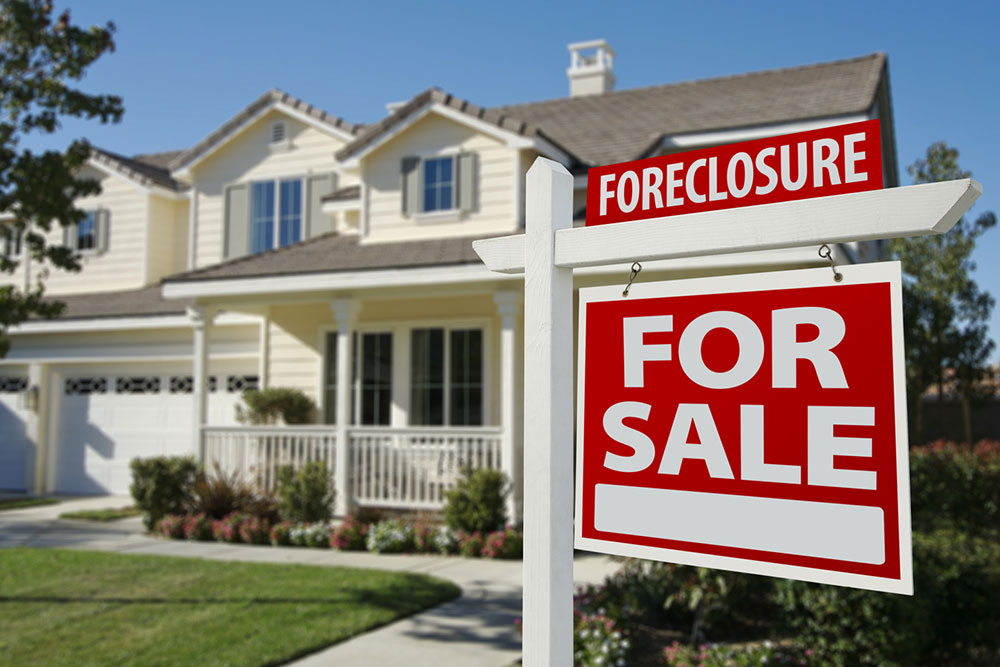
Comprehensive Guide to Successfully Buying Foreclosed Homes
This comprehensive guide explores key strategies for purchasing foreclosed properties, including working with specialized agents, negotiating fair prices, understanding federal loan options, analyzing market conditions, and assessing risks. Whether you're an investor or a homebuyer, gaining insight into the foreclosure process can help you secure advantageous deals while avoiding common pitfalls. The article emphasizes the importance of expert help, diligent research, and careful financial planning to ensure a successful and cost-effective foreclosure purchase.
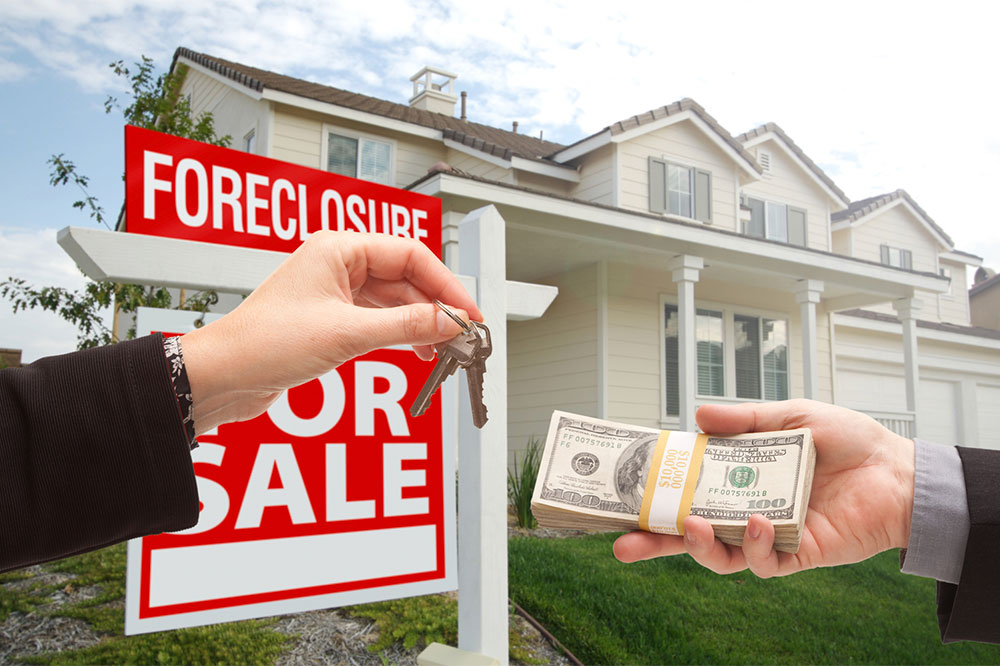
Comprehensive Guide to Successfully Buying Foreclosed Homes
Foreclosure is a process that occurs when homeowners are unable to fulfill their mortgage commitments, resulting in the loss of their property. These properties are subsequently listed on the foreclosure market by financial institutions aiming to recover unpaid loans. Buying a foreclosed home can be a strategic move for investors and homebuyers seeking bargains, often at prices significantly below market value. Additionally, some buyers may qualify for exclusive federal assistance programs that support affordable homeownership. To navigate this complex landscape effectively, it’s essential to follow a series of well-planned steps that help ensure you make an informed and advantageous purchase.
Engage a Skilled Real Estate Agent Specializing in Foreclosures
While banks typically list bank-owned properties on their websites, partnering with an experienced real estate agent who specializes in foreclosed properties is highly recommended. These agents possess specialized knowledge in navigating the foreclosure process, interpreting fine print, and identifying properties suitable for your budget and needs. A seasoned agent will help you understand the nuances of foreclosure listings, such as auction procedures, pre-foreclosure, and short sales, making your buying journey smoother and more successful.
Buyers’ agents who specialize in foreclosure transactions are well-versed in finding opportunities such as pre-foreclosures, short sales, auction listings, and bank-owned properties. These professionals often have inside information that is not available to the general public, allowing them to negotiate better prices and favorable terms. It’s important to remember that the fiduciary duty of your agent is to prioritize your interests throughout the transaction, regardless of who pays their commission. Leveraging their expertise can significantly increase your chances of securing a property that aligns with your financial goals.
Negotiate a Fair and Realistic Price
Pricing foreclosed homes often differs from traditional real estate transactions. These properties frequently involve multiple interested parties, including investors aiming for quick profits. The condition of the property and anticipated repair or renovation costs heavily influence the final price. Factors like recent inspections, the potential for property appreciation, and your planned down payment should all be considered when making an offer. Additionally, post-purchase costs such as property taxes, homeowner's insurance, and monthly mortgage payments need to be factored into your budget to ensure the deal remains financially sound.
Investigate Federal Loan Programs Designed for Foreclosed Properties
The federal government offers a variety of loan programs tailored to assist buyers of foreclosed homes. For example, the USDA provides mortgage options under sections 502 and 504, which cater to low-income families in rural areas and include grants for senior citizens. Veterans, in particular, benefit from federal financing options that often require no down payment, have reduced closing costs, and waive mortgage insurance requirements. These programs are crafted to make homeownership more accessible and affordable, especially for those purchasing foreclosed properties.
Analyze Current Market Conditions
Foreclosed homes are typically sold in an “as-is” condition, ranging from fully renovated properties to severely neglected units requiring extensive repairs. Conducting thorough market research by analyzing comparables—similar properties in the neighborhood—helps ascertain the true market value and guides your bidding strategy. Since banks and sellers are often unwilling to negotiate beyond initial offers, being well-informed about the property’s true worth gives you a competitive edge. For highly sought-after listings, you might consider submitting an increased bid to ensure you secure the property swiftly before it attracts other buyers.
Carefully Weigh the Advantages and Risks
Foreclosure deals can present significant financial advantages by offering properties below their market value. However, they also come with inherent complexities that require substantial knowledge and reliable professional guidance. Opting for properties in good condition helps minimize repair costs, but higher bids may strain your finances if unforeseen expenses arise later. Due to the competitive nature of foreclosure sales, investors often aim to flip homes rapidly, creating stiff competition for buyers. Consulting with experienced real estate agents and conducting diligent inspections are essential steps to avoid costly mistakes. Remember also that contractual terms may change right up to the point of ownership transfer, making thorough due diligence and careful review of all documents critical to a successful purchase.