Ultimate Guide to Safe Makeup Sampling in Retail Stores
Discover comprehensive safety tips for sampling makeup products at retail stores. Learn how to prevent infections by using disposable applicators, avoiding open containers, and shopping during less busy hours. Protect your skin with hygienic practices and enjoy the beauty shopping experience confidently.
Ultimate Guide to Safe Makeup Sampling in Retail Stores
In the vibrant world of cosmetics shopping, many consumers enjoy the experience of testing makeup products directly at retail counters. Trying shades and textures firsthand helps determine if a product truly matches your preferences before making a purchase. However, while sampling makeup is a popular activity, it comes with important health considerations that many shoppers overlook. Ensuring hygienic practices while trying out cosmetics is vital to prevent potential infections and maintain skin health.
Many shoppers are often unaware that makeup testers can harbor a variety of bacteria, including Streptococcus and Escherichia coli (E. coli). These germs are frequently found on testers due to constant handling and reuse by numerous customers. Using contaminated testers can lead to serious infections such as conjunctivitis (pink eye), and in certain cases, hepatitis. Recognizing these risks is the first step towards adopting safer makeup testing habits.
To enjoy the benefits of makeup sampling without compromising health, consumers should adopt specific precautions designed to minimize infection risks. Personal testers, disposable applicators, and proper sanitation are key strategies for safer testing. Additionally, choosing less crowded times for shopping can reduce contact with contaminated surfaces and staff, thus lowering the probability of infection.
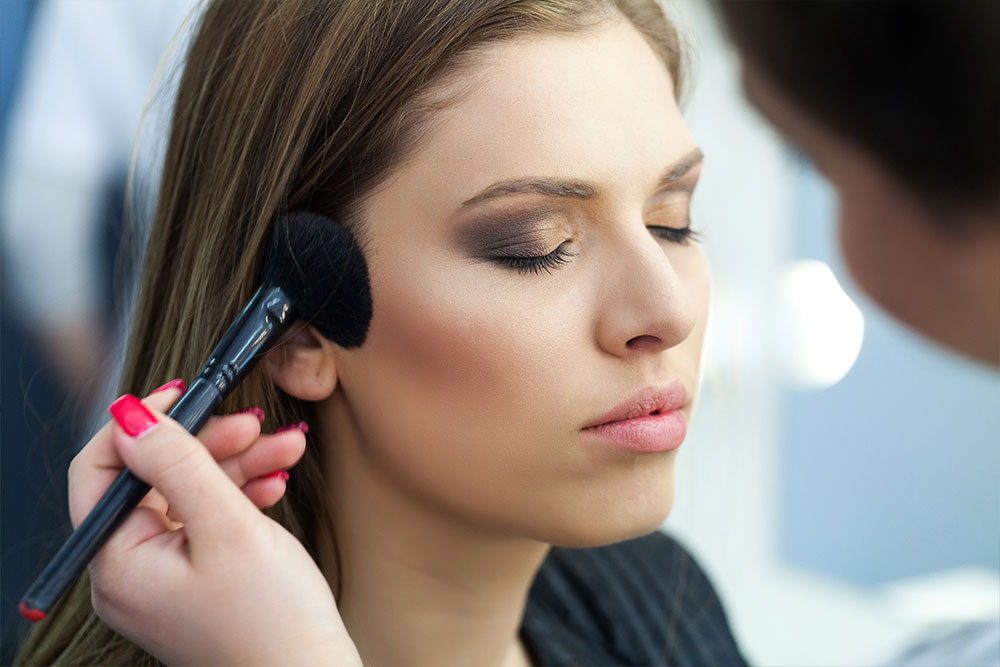
Practical safety tips include always using disposable applicators such as brushes or cotton swabs when testing products. Refrain from directly dipping your fingers into open jars or containers, particularly for eye and lip products which come into close contact with sensitive areas. Instead, opt for testing products from sealed or sanitized palettes and bottles whenever available. Before applying to your face, clean your hands thoroughly or use alcohol wipes to disinfect your skin. For eye and lip makeup, it's advisable to avoid sharing testers and to seek out single-use samples whenever possible. Sanitation is essential—consider carrying your own alcohol-based sanitizer and wipes for personal use.
Timing your shopping trips during weekdays or off-peak hours ensures you encounter less crowded stores. Less congestion not only allows for better attention from staff but also reduces the risk of cross-contamination from multiple customers. When staff is more available, don't hesitate to ask what hygiene measures they follow or if they have sanitized testers available.
Furthermore, many reputable cosmetic brands and stores now provide sanitized, sealed testers or disposable applicators. Always check for sealed products and fresh testers to minimize infection risks. Remember, your skin is a delicate organ, and exposure to bacteria can lead to unwanted skin issues, infections, or allergic reactions. Be vigilant, practice hygienic testing habits, and make informed choices to preserve your beauty and health while enjoying the fun of makeup shopping.