Comprehensive Guide to Meningitis Vaccination and Preventive Measures
This comprehensive guide covers essential information on meningitis vaccination, transmission, and prevention strategies. It provides detailed insights into the bacteria responsible, high-risk groups, vaccination schedules for different age groups, and the importance of immunization in controlling outbreaks. Understanding these factors is crucial for individuals, healthcare providers, and communities to effectively prevent meningitis and its severe complications, ensuring better public health outcomes globally.

Comprehensive Guide to Meningitis Vaccination and Preventive Measures
Meningitis remains a serious health concern worldwide, and vaccination plays a pivotal role in preventing this dangerous infection caused by the meningococcus bacteria. Understanding the nature of meningitis, how it spreads, and the best strategies for prevention is essential for individuals, caregivers, and health professionals alike. This detailed overview will explore the significance of meningitis vaccines, the bacteria responsible, risk factors, modes of transmission, and recommended vaccination schedules across different age groups, providing essential knowledge to safeguard community health.
Meningococcus bacteria are responsible for causing meningitis—a potentially life-threatening inflammation of the membranes surrounding the brain and spinal cord—and bloodstream infections. These bacteria are characterized by their spherical shape, often appearing in pairs linked together, which are referred to as diplococci. The bacteria are classified into five major serogroups based on their polysaccharide capsules: A, B, C, W, and Y. Of these, serogroups A, B, C, W, and Y are most commonly associated with invasive meningococcal disease globally.
Research indicates that approximately 10% of healthy individuals are carriers of meningococcus, harboring the bacteria in their nasopharynx without exhibiting any symptoms. This asymptomatic carriage is a key factor in the spread of infection, especially in communal settings. In some cases, however, the bacteria invade the bloodstream or meninges, leading to severe complications such as meningitis, septicemia, neurological damage, hearing loss, or even death. Prompt vaccination and preventive measures are therefore vital to controlling outbreaks and protecting vulnerable populations.
Who Are at Higher Risk of Meningitis?
Several groups are at increased risk of contracting meningococcal disease, and understanding these groups helps in targeting preventive strategies effectively. The primary high-risk categories include:
Infants, teenagers, and young adults are particularly susceptible to meningitis due to their developing or immature immune systems.
Communities with close living quarters, such as college students, military personnel, or residents of dormitories, experience higher transmission rates due to sustained close contact.
Individuals with compromised immune systems, including those without a functioning spleen, with immune deficiencies, or living with HIV/AIDS, face significantly increased risk.
Travelers to regions with endemic meningococcal disease, especially sub-Saharan Africa known as the "meningitis belt," require special precautions due to higher exposure risk.
How is Meningitis Spread?
The primary mode of transmission for meningococcus is via respiratory droplets and saliva exchange. Close or prolonged contact with an infected person—such as living in the same household, sharing utensils, or kissing—facilitates bacterial transfer. Casual contact in public settings is less likely to transmit the disease, but outbreaks can still occur in settings like schools or community gatherings. Accurate understanding of transmission helps inform prevention strategies, including the need for antibiotics in certain contacts to prevent secondary cases.
Strategies for Preventing Meningitis
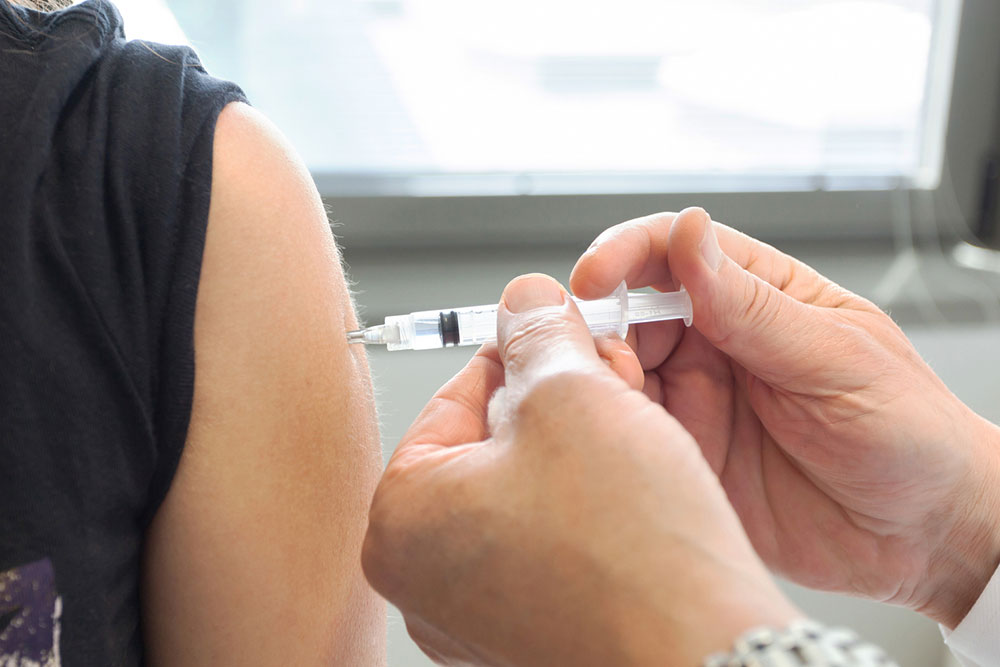
Preventive measures against meningitis comprise vaccination, antibiotic prophylaxis, and public health interventions. Vaccination remains the cornerstone of high-impact prevention, significantly reducing the risk of invasive disease caused by major serogroups. While no vaccine provides absolute immunity, vaccination greatly diminishes disease incidence, especially among high-risk groups.
Meningococcal Vaccination Schedules
The dosing schedules vary based on age, health status, and risk factors, aiming to optimize immunity in different populations. Healthcare providers recommend specific vaccine types and timing to ensure maximum protection.
Children aged 2 months to 10 years: For infants and young children at risk, meningococcal conjugate vaccines such as MenACWY or Hib-MenCY-TT are recommended. These vaccines help shield children from the most common serogroups. For children with underlying medical conditions, outbreak exposure, or travel plans, booster doses may be necessary to maintain immunity.
Adolescents aged 11 to 18 years: The CDC and health authorities typically recommend two doses of MenACWY vaccine: the first dose at age 11–12 years and a booster at age 16. For adolescents who receive their initial dose later, a single booster after age 16 may suffice. Some younger teens may only need a single shot depending on their vaccination timing and risk factors.
Adults aged 18 and above: Adults with specific risk factors—such as splenic dysfunction, immune suppression, or those working in high-exposure environments—should consider vaccination with MenACWY or MPSV4 vaccines. Travel to meningitis belt regions or outbreak zones also warrants vaccination to prevent infection.
Serogroup B Meningitis Vaccine
This vaccine is specialized for protecting against serogroup B meningococcus, which accounts for a significant proportion of meningitis cases, especially in certain age groups. It is recommended for individuals aged 10 and older, particularly those at higher risk due to medical conditions or exposure risks. The serogroup B vaccine provides short-term immunity, generally administered to individuals from 16 to 23 years of age, and is especially important during outbreaks or in high-prevalence areas.
Overall, vaccination combined with public health strategies and early treatment of emerging cases form the backbone of meningitis prevention. Staying informed about vaccination schedules, risk factors, and transmission modes is vital for individuals and communities to reduce the incidence of this serious disease.