Comprehensive Guide to Choosing the Right Dental Veneers for Your Smile
Discover everything you need to know about dental veneers, from costs and materials to procedural details and aftercare. This comprehensive guide helps you make an informed decision for a beautiful, long-lasting smile. Learn about porcelain and composite options, pricing factors, and the treatment process for achieving your desired aesthetic results.

Comprehensive Guide to Choosing the Right Dental Veneers for Your Smile
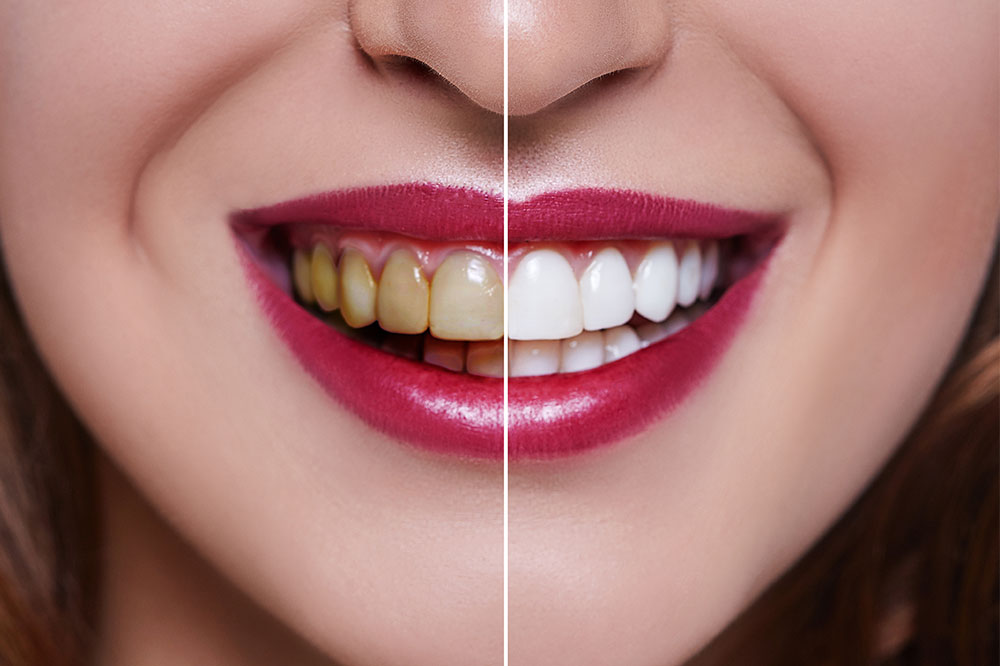
Dental veneers are an increasingly popular cosmetic dental solution designed to enhance your smile's appearance dramatically. These thin, custom-made shells are bonded to the front surface of your teeth, creating a natural, attractive, and confident smile. Made from durable porcelain or resin composite materials, veneers are tailored to your specific needs, effectively concealing imperfections such as chips, discolorations, gaps, or misshapen teeth. If you're considering this transformative dental procedure, understanding the key factors involved is essential to making an informed decision.
In this comprehensive guide, we will explore everything you need to know before opting for dental veneers, including cost considerations, procedural details, material choices, maintenance tips, and the overall benefits and limitations. By the end, you'll be equipped with valuable insights to determine whether veneers are the right cosmetic enhancement for your unique dental needs.
Understanding the Cost of Dental Veneers
One of the foremost concerns when considering veneers is the cost. Porcelain veneers are renowned for their durability—lasting between 15 to 20 years—and their resistance to staining and discoloration. However, this longevity and quality come with a higher price tag. According to the American Dental Association, porcelain veneers typically range from approximately $925 to $2,500 per tooth. This cost varies based on geographical location, the complexity of the dental case, the expertise of the dental provider, and the specific material used. While porcelain veneers represent a significant investment, their durability and natural appearance often justify the expense for individuals seeking long-term cosmetic improvements.
Composite Veneers: A Budget-Friendly Alternative
For those with a limited budget or seeking a less invasive option, composite resin veneers offer a practical alternative. These veneers are significantly more affordable, usually costing between $250 and $1,500 per tooth. Composites are applied directly onto the tooth surface and shaped during a single visit, making the process quicker and less costly. However, composite veneers tend to have a shorter lifespan, typically lasting only 5 to 7 years. They are more susceptible to staining, chipping, or damage if not carefully maintained. Choosing between porcelain and composite veneers depends on individual expectations, budget constraints, and long-term goals.
The process of getting dental veneers generally spans from two to six weeks, involving several carefully coordinated steps. Initially, your dentist will conduct a thorough examination of your oral health, including X-rays and impressions, to assess if you are a suitable candidate. During this consultation, you'll discuss your aesthetic goals, preferred shades, and any concerns you may have. Once the treatment plan is finalized, the procedure begins with minimal reshaping of your existing teeth, typically under local anesthesia to ensure comfort.
For composite veneers, the dentist directly applies and molds the composite material onto the prepared tooth surface, then hardens it with a special curing light. This process is usually completed within a single appointment. In contrast, porcelain veneers require precise impressions to create custom shells at a dental laboratory. Temporary veneers may be placed while the permanent ones are fabricated, usually taking a few weeks. Once ready, the porcelain shells are bonded permanently using dental cement, resulting in a natural, durable finish.
Achieving the perfect smile through veneers is particularly beneficial for individuals with crooked, misshapen, or severely stained teeth that resist traditional orthodontic or whitening treatments. The longevity of veneers ensures a lasting aesthetic upgrade, boosting self-confidence and overall appearance. However, it's crucial to follow proper aftercare routines, including good oral hygiene and avoiding habits that could damage the veneers, such as biting hard objects or smoking. Proper maintenance maximizes the lifespan of your investment, ensuring your radiant smile remains for years to come.