Comprehensive Guide to Designing and Installing Your Perfect Custom Closet
Discover how to design and install a custom closet tailored to your space and style. This comprehensive guide covers key considerations, design tips, and features to create a highly functional, durable, and personalized storage solution that maximizes space and complements your home decor.
Comprehensive Guide to Designing and Installing Your Perfect Custom Closet
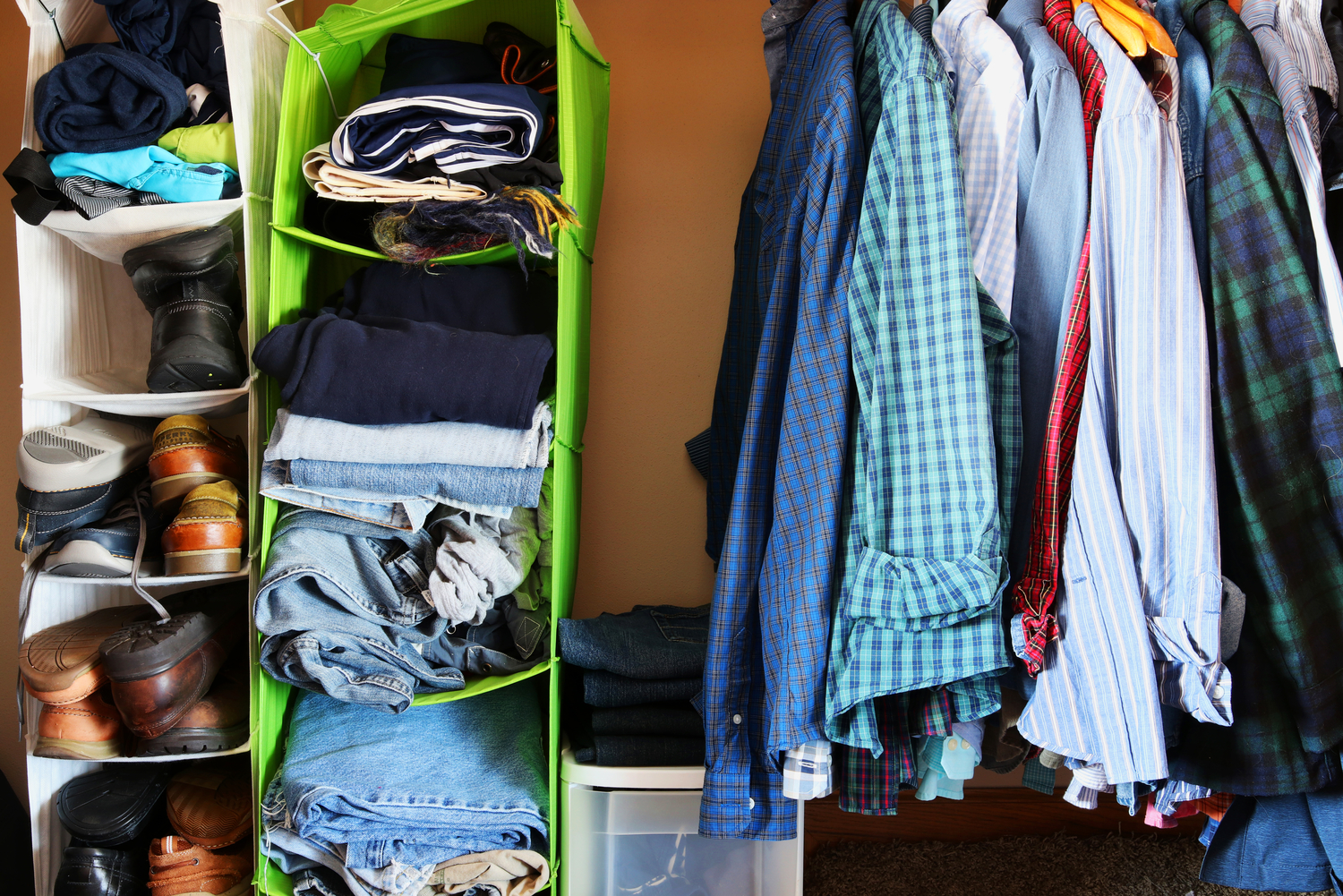
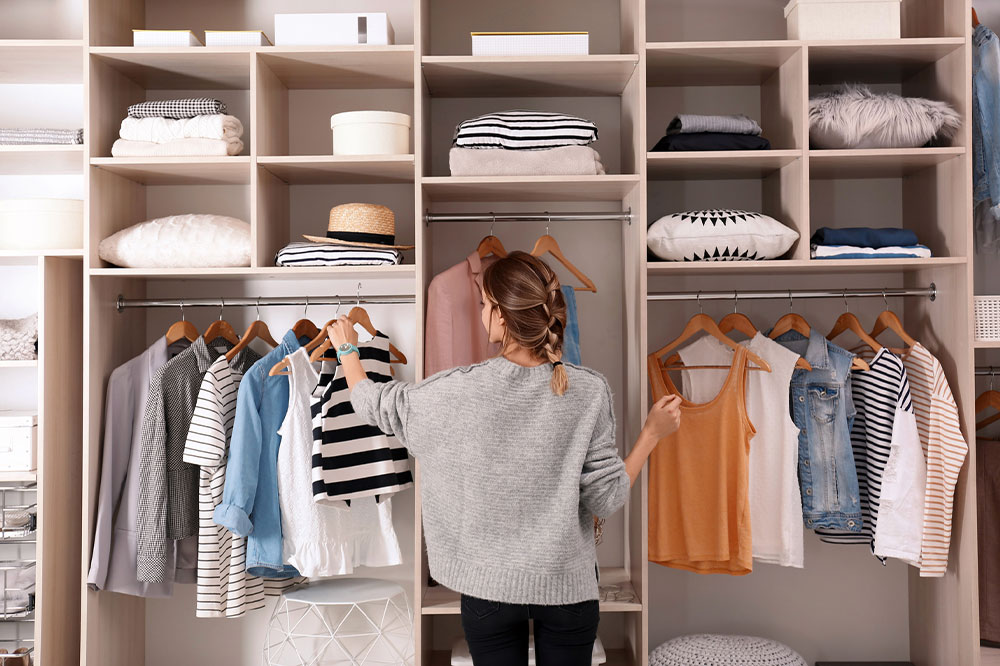
In earlier decades, the typical wardrobe consisted of a modest collection of jeans, shirts, and a few accessories—adequate for most households. However, as personal belongings and fashion collections grow more extensive, the need for smarter, more efficient storage solutions has become essential. A custom closet system offers a tailored approach to organizing clothing, shoes, jewelry, accessories, and household items, transforming clutter into a streamlined, accessible space. This detailed guide will walk you through the essential considerations, design ideas, and installation tips to create a functional and aesthetically pleasing closet that caters uniquely to your lifestyle and space constraints.
Important Factors to Consider When Choosing a Custom Closet System
Deciding to invest in a custom closet is a significant decision that impacts your daily organization and overall home aesthetic. To ensure you make the right choice, it’s crucial to understand various factors that will influence your satisfaction and the long-term usefulness of your customized storage solution.
Here are the main considerations to evaluate when selecting or designing a custom closet system:
Home Decor Style: The closet should harmonize with your overall interior design theme. Whether your home boasts modern minimalism, rustic charm, or transitional aesthetics, choosing a closet style that complements your decor will enhance cohesion and visual appeal.
Family Storage Needs: Consider the size of your family and the amount of storage each member requires. Children’s rooms might benefit from lower shelves or cubbies for toys and clothing, while adults might prefer dedicated sections for shoes, handbags, or jewelry. Think about future needs as well—growing children or changing fashion tastes may influence your design decisions.
Available Space: Evaluate the room or area where you plan to install the closet. Small bedrooms or tight corners may require compact solutions such as vertical shelving, pull-out drawers, or minimalistic wardrobes. Larger spaces allow for walk-in designs with multiple zones, while rooms with limited space benefit from space-saving configurations that maximize storage without crowding the room.
Beyond spatial planning, consider your budget and how much time and effort you are willing to dedicate to the installation process. If you’re on a tight budget or need a temporary solution, prefabricated closet systems can serve as effective stopgaps. These options are affordable, quick to install, and can be customized later into more comprehensive solutions as your needs evolve.
Key Features and Customization Options for Your Closet System
Choosing the perfect custom closet involves weighing various features that enhance functionality, durability, and style. To create a space that truly meets your needs, focus on adjustable components and smart design elements that provide flexibility and longevity.
When planning your closet, keep these considerations in mind:
Ease of Installation: Your chosen system should be straightforward to assemble. Clear instructions and modular components simplify the process and reduce frustration during setup.
Durability and Material Quality: The longevity of your closet depends heavily on materials. High-quality wood, metal, or engineered panels ensure a sturdy build that withstands daily wear. Avoid flimsy plastic components that may crack or warp over time.
Design Customization: Personalize your closet with tailored solutions for shoes, accessories, jewelry, or seasonal clothing. Options like dedicated shoe racks, pull-out jewelry trays, or tie organizers help keep everything accessible and organized.
Furthermore, integrating features such as built-in lighting enhances visibility—making it easier to find items quickly while adding a touch of sophistication. Mirrors on closet doors increase the sense of space and convenience, especially in smaller rooms. Material choices—whether warm, rich wood or sleek metal finishes—impact both aesthetics and durability.
The most valuable attributes to look for include:
Simple Setup: Modular systems that require minimal tools or specialized knowledge
Structural Durability: Materials that resist warping, cracking, or damage over years of use
Full Customization: Flexible design options that adapt to your specific needs—be it fitting bulky winter coats or delicate jewelry
Creating a tailored closet that integrates seamlessly into your daily routine involves careful planning. Map out your available space, measure precisely, and decide on zones for different categories of items. Whether implementing a straightforward shelf design or a comprehensive walk-in with dedicated sections, thorough preparation ensures smooth installation and long-term satisfaction.
Ultimately, a well-designed custom closet maximizes storage efficiency, enhances your bedroom’s aesthetic, and simplifies your daily routine. With the right planning, materials, and features, your new closet will serve as a practical, stylish, and enduring addition to your home for many years to come.