Comprehensive Guide to Filing an Effective Water Damage Insurance Claim
This comprehensive guide provides homeowners with essential information on how to effectively file water damage insurance claims. It discusses coverage types, key steps to take after damage occurs, and tips for minimizing repair costs. Understanding your policy, documenting damages promptly, and hiring professional restorers can streamline claims and safeguard your property. Proactive maintenance and timely action are vital for ensuring an efficient claims process and protecting your home from extensive water damage.

Important Factors to Consider Before Submitting Your Water Damage Insurance Claim
Water-related incidents rank among the top reasons homeowners file insurance claims annually. Even seemingly minor leaks from plumbing fixtures or faucets can escalate into significant and costly damage to properties. Left unchecked, excess moisture can weaken the structural elements of your home, potentially diminishing its value and safety. For homeowners, understanding the nuances of your insurance coverage related to water damage and knowing the precise steps for filing a claim are essential for protecting your investment and ensuring a smooth claims process.
Understanding Your Water Damage Coverage
Most standard homeowners insurance policies typically cover sudden and accidental water damage events. However, it’s important to review your individual policy details, as coverage can vary. Common scenarios that are generally included are:
Storm and Weather-Related Incidents Heavy rainfalls, hail storms, and strong winds often result in water intrusion, leading to interior damage. Insurance typically covers damage caused by these weather events, provided they are sudden and unforeseen.
Ice Dams and Roof Issues When ice accumulates on roofs or gutters, it can create dams that force meltwater into the attic or interior walls. Proper maintenance, like clearing gutters and inspecting roofs, can sometimes influence claims or prevent damage in the first place.
Appliance-Related Leaks Leaks from household appliances such as washing machines, dishwashers, or water heaters are usually covered if they cause water to leak into your home. Regular maintenance of appliances can reduce the risk of unexpected damages and support your claim if needed.
Roof Leaks During Storms If a fallen tree, high winds, or heavy rain causes your roof to leak, resulting in interior water damage, this is typically covered by insurance. Timely repairs and inspections are vital in minimizing damage and maintaining coverage eligibility.
Fire Suppression System Damage Water used during firefighting efforts, such as sprinkler systems or hoses, can lead to water damage. Most policies include coverage for such damages, but understanding the specifics is crucial.
Carefully review your policy to comprehend what specific damages are covered before initiating a claim. Some policies may include additional water damage scenarios or have exclusions, so being informed helps expedite the claims process.
Expert Tips to Maximize Your Water Damage Insurance Claim A proactive approach in maintenance and swift action after damage occurs can significantly reduce repair costs and streamline your claim process. Staying vigilant not only aids in insurance claims but also boosts property value and attractiveness to potential renters or buyers.
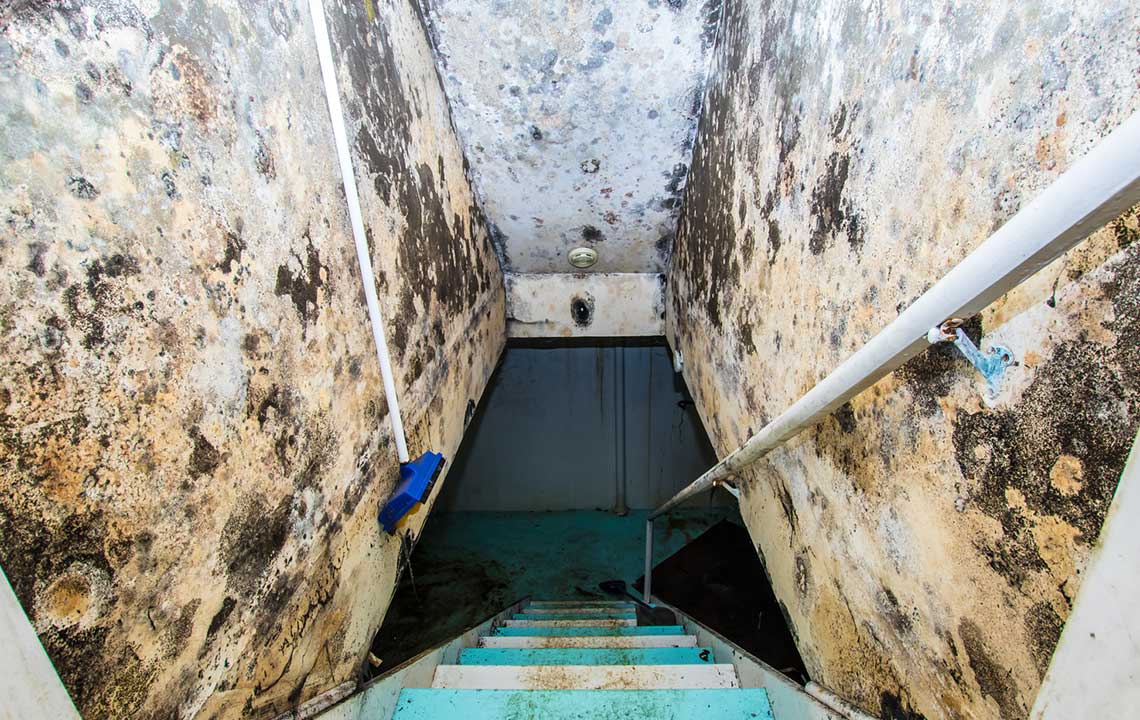
Tackle Minor Problems Promptly Small leaks, rusted pipes, or early signs of mold might seem inconsequential but can quickly evolve into severe damages if neglected. Addressing these issues promptly prevents mold proliferation, structural deterioration, and lowers repair expenses.
Document Damage Thoroughly Immediately photograph and record damages when they happen. Detailed documentation supports your claim and provides clear evidence of the extent of the damage, making the claims process smoother. Also, act swiftly to repair or contain damage—such as fixing roof leaks caused by fallen branches or repairing pipe leaks—to prevent further escalation.
Engage Professional Restoration Services Hiring certified restoration contractors ensures comprehensive repairs and thorough risk assessment. Professionals can identify the root cause of damage, repair structural issues, and prevent secondary problems like mold or rot. Their expertise safeguards your property’s safety and maintains its value through quality repairs.
In conclusion, understanding the intricacies of water damage coverage and taking proactive measures can significantly ease the process of filing insurance claims. Timely documentation, prompt repairs, and professional assessment are essential steps to ensure your claims are processed efficiently and your property remains protected against future water-related damages.