Enhancing Home Comfort and Cutting Energy Costs with State-of-the-Art Thermostat Technology
Upgrade your home heating system with the latest thermostat technology to maximize comfort and reduce energy costs. Discover how smart thermostats, zone controls, and remote management can create an efficient, cozy living environment while supporting sustainability goals. Learn about features like learning algorithms, detailed energy reports, and integration with home automation systems that make modern thermostats indispensable for eco-conscious homeowners seeking convenience and savings.
Enhancing Home Comfort and Cutting Energy Costs with State-of-the-Art Thermostat Technology
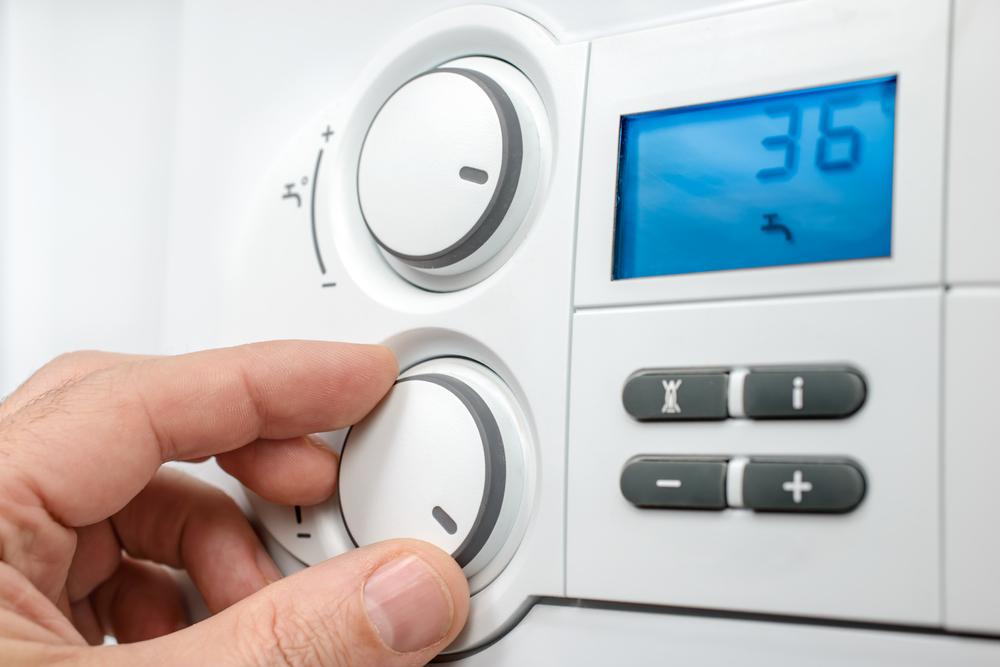
Modernizing your home’s heating and cooling systems with advanced thermostat technology is one of the most effective ways to improve comfort while significantly reducing energy expenses. These innovative devices are designed to finely tune indoor temperatures, ensuring your living space remains cozy and inviting without unnecessary energy consumption. Whether you’re seeking to optimize a central heating system, individual room environments, or both, contemporary thermostats offer numerous features that cater to energy-conscious homeowners.
Traditional thermostats operated on simple mechanical or basic electronic controls, allowing manual adjustments that often led to inefficient energy use. Today’s smart thermostats, however, utilize sophisticated sensors, learning algorithms, and connectivity options to provide a seamless user experience, maximizing both comfort and savings. They enable personalized climate control, adapt to your routines, and offer remote management—all critical features in modern sustainable living.
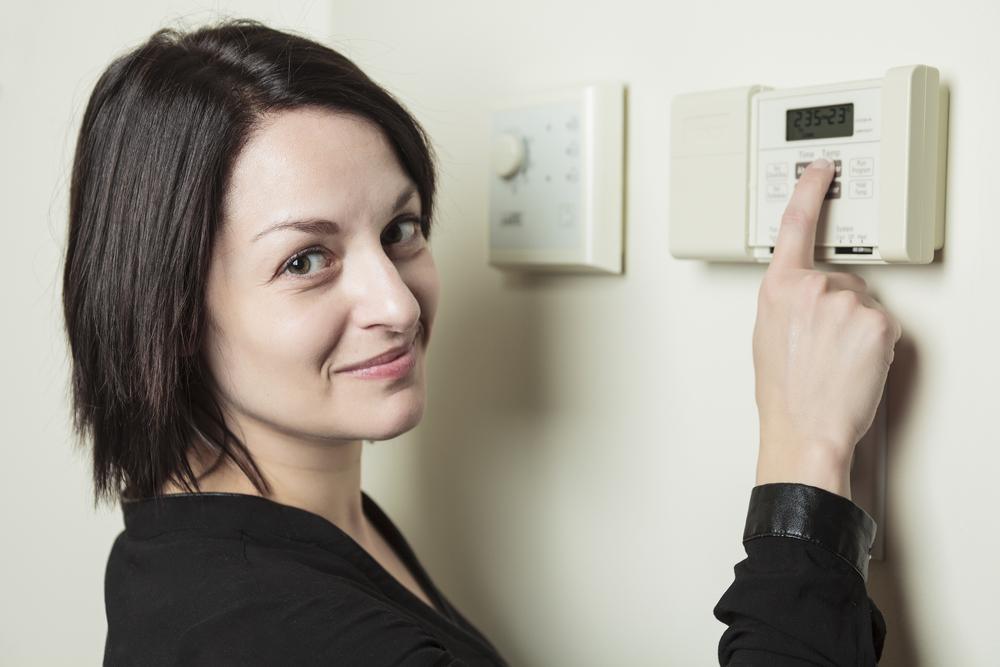
In-depth control over heating and cooling schedules is now possible through central thermostats that can be programmed to follow your daily routine. For example, you can set lower temperatures during working hours or when the house is unoccupied, and prompt the system to warm up your living spaces just as you return home. This approach not only maintains comfort but also dramatically cuts energy waste. Modern thermostats can also integrate with home automation systems, allowing comprehensive control over all smart home devices from a single interface.
Room thermostats and thermostatic radiator valves further enhance individual comfort by allowing precise temperature regulation in specific zones or rooms. These components respond directly to ambient conditions, preventing energy wastage in unoccupied or less-used areas, thus boosting overall efficiency. By balancing temperature across different zones, homeowners can enjoy consistent comfort throughout their homes without overworking the heating system.
The rise of smart thermostats, in particular, has revolutionized home climate management. These devices connect to Wi-Fi networks, enabling homeowners to control their heating and cooling systems remotely via smartphones, tablets, or desktop computers. This remote access ensures that users can adjust settings from anywhere, whether they are on their way home, at work, or traveling abroad. Thanks to their ability to learn from user habits, many smart thermostats automatically optimize settings to meet individual preferences, providing energy savings without sacrificing comfort.
Another major advantage of modern thermostats is their detailed consumption reporting features. Users can analyze energy usage patterns, identify inefficiencies, and make informed decisions about future climate management strategies. Some models even offer integration with energy management platforms, helping households meet sustainability goals and reduce overall carbon footprint.
Beyond energy savings and convenience, these advanced thermostats also contribute to healthier living environments. By maintaining consistent indoor temperatures and humidity levels, they help prevent issues such as mold growth and respiratory problems linked to temperature fluctuations and poor air quality. In addition, many smart thermostats incorporate filters and air quality sensors, further promoting a safer indoor environment.
In conclusion, adopting advanced thermostat technology transforms your home into an efficient, comfortable, and sustainable living space. Whether you choose a simple programmable thermostat, a sophisticated smart device, or zone-specific controls, these innovations are designed to deliver tailored comfort while lowering energy costs. With the added benefits of remote control, intelligent learning, and detailed energy analytics, modern thermostats are essential tools for homeowners committed to smart, eco-friendly living in today’s digital age.