Comprehensive Guide to Key Considerations Before Renting a Duplex
Discover essential factors to consider before renting a duplex, including location, community rules, affordability, and rental options. This comprehensive guide helps you make informed decisions for a comfortable and financially sound living arrangement, whether you're seeking a family home or supplemental income through rental units.

Comprehensive Guide to Key Considerations Before Renting a Duplex
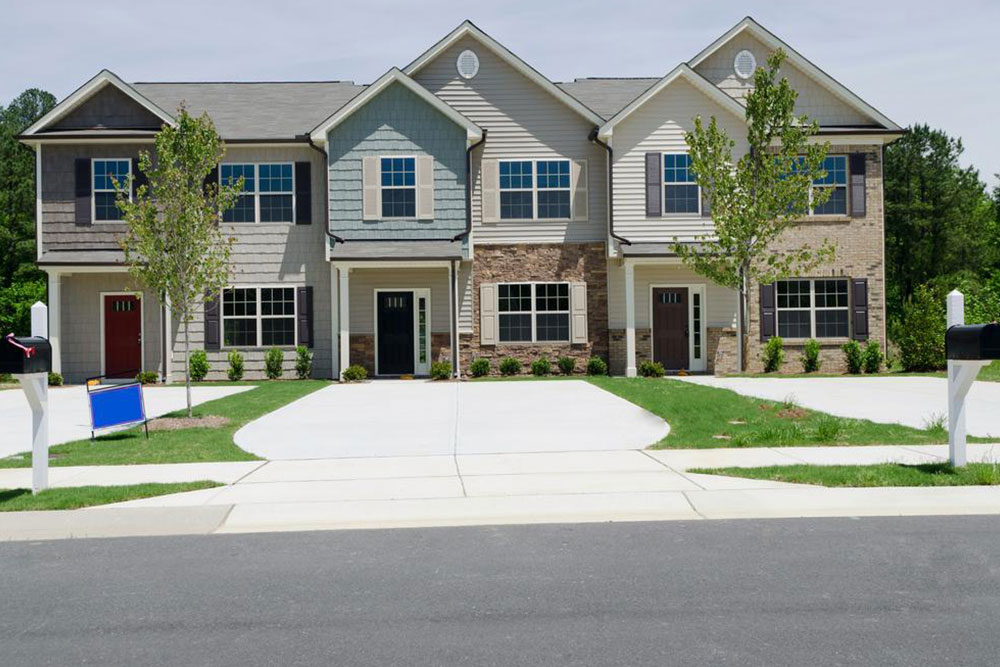
Choosing to rent a duplex can be an excellent decision for families or individuals seeking a harmonious balance of privacy and community living. Duplexes typically consist of two or three bedrooms sharing a common wall, along with a private backyard or outdoor space, making them an attractive option for many renters. However, before you sign a lease agreement for a duplex, it is essential to understand the various factors that can influence your living experience, financial commitments, and long-term satisfaction. This comprehensive guide aims to walk you through the critical aspects to consider, ensuring you make an informed decision that aligns with your lifestyle and needs.
Understanding Location: The First Step
One of the most important considerations when renting a duplex is its location. The neighborhood or community setting significantly impacts your daily routine, access to amenities, and overall quality of life. You need to determine whether a city-based duplex or a suburban property best suits your lifestyle. For instance, city locations often offer proximity to employment centers, entertainment options, social venues, and public transportation, which can reduce commuting time and enhance convenience. Conversely, suburban duplexes typically provide a quieter environment, larger outdoor spaces, and a more relaxed atmosphere, appealing to families or those seeking tranquility.
Take into account your commute to work or school, proximity to grocery stores, healthcare facilities, and recreational centers. Living close to these amenities can save you time and transportation costs. Additionally, consider the safety of the neighborhood, access to parks, and the overall community vibe. Researching local crime statistics and neighborhood reviews can provide valuable insights. In some cases, prime locations like beachside communities or scenic rural areas come with higher rent prices, so balance your desire for a desirable setting with your budget constraints.
Community Rules and Regulations
When selecting a duplex, it's essential to understand any community-specific rules governing property use. Many duplex communities are managed by homeowner associations (HOAs) or property management firms that enforce guidelines related to noise, parking, property maintenance, and subletting. Familiarizing yourself with these regulations can help you avoid unintentional violations, fines, or conflicts with neighbors. For example, some communities may require approval before subletting or renting out part of your duplex, which can affect your flexibility and plans for rental income.
Investigate whether the community allows modifications or improvements to the property, pet policies, and other restrictions. If you plan to rent out one side of the duplex to generate extra income, confirming that subletting is permitted and understanding the process is vital. Be proactive in communicating with community management to ensure your plans align with regulations.
Affordability and Cost Management
Pricing for duplexes varies widely depending on location, size, condition, amenities, and community features. High-demand areas, such as beachfront or luxury suburban neighborhoods, tend to have higher rents, but they often offer additional benefits like scenic views, enhanced security, and exclusive amenities. To find the best value for your money, compare different options within your preferred neighborhood and consider the balance between affordability and comfort.
It's essential to budget not only for the monthly rent but also for additional costs such as utilities, maintenance, property taxes, and any HOA or community fees. Some duplex communities include certain utilities or maintenance services in the rent, which can simplify your budgeting process. Keep in mind that a lower rent might sometimes mean fewer amenities or older properties, so evaluate the trade-offs carefully.
Strategic Use of Extra Units
If your plan involves living in one unit of the duplex and renting out the other, understanding the community's policies on rental units is crucial. Renting out an extra unit can provide a source of supplemental income, helping to ease financial burdens or subsidize your mortgage payments. Additionally, having a tenant nearby can be advantageous for families who need assistance with caregiving or for those wanting to support loved ones while maintaining close proximity.
Make sure to verify if renting out part of the duplex complies with local zoning laws, HOA policies, and lease agreements. Proper management can make this arrangement highly beneficial, but it also requires responsibility to maintain good relationships with neighbors and ensure compliance with all regulations. Consider costs associated with tenant screening, property maintenance, and potential vacancies that might impact your rental income.
Additional Tips for a Smooth Rental Experience
Before finalizing your decision, conduct a thorough inspection of the duplex. Check for structural issues, plumbing, electrical systems, and overall cleanliness. Visiting the property at different times of the day can help assess lighting, noise levels, and neighborhood activity.
Read the lease agreement carefully, paying attention to lease duration, renewal policies, deposit requirements, and any penalties for early termination. Clarify policies regarding pets, parking, and property modifications.
In summary, renting a duplex can be an excellent solution for those seeking affordability, flexibility, and a sense of community. By carefully considering location, community guidelines, costs, and your long-term plans, you can make an informed choice that enhances your living experience and financial stability.