Comprehensive Guide to Safe and Effective Natural Gas Grill Installation
This comprehensive guide provides essential tips for safely installing a natural gas grill. From selecting the right model to understanding local regulations and hiring professionals, learn how to ensure a safe, efficient, and long-lasting outdoor cooking setup. Perfect for homeowners looking to upgrade their backyard grilling experience while maintaining safety and compliance standards.
Comprehensive Guide to Safe and Effective Natural Gas Grill Installation
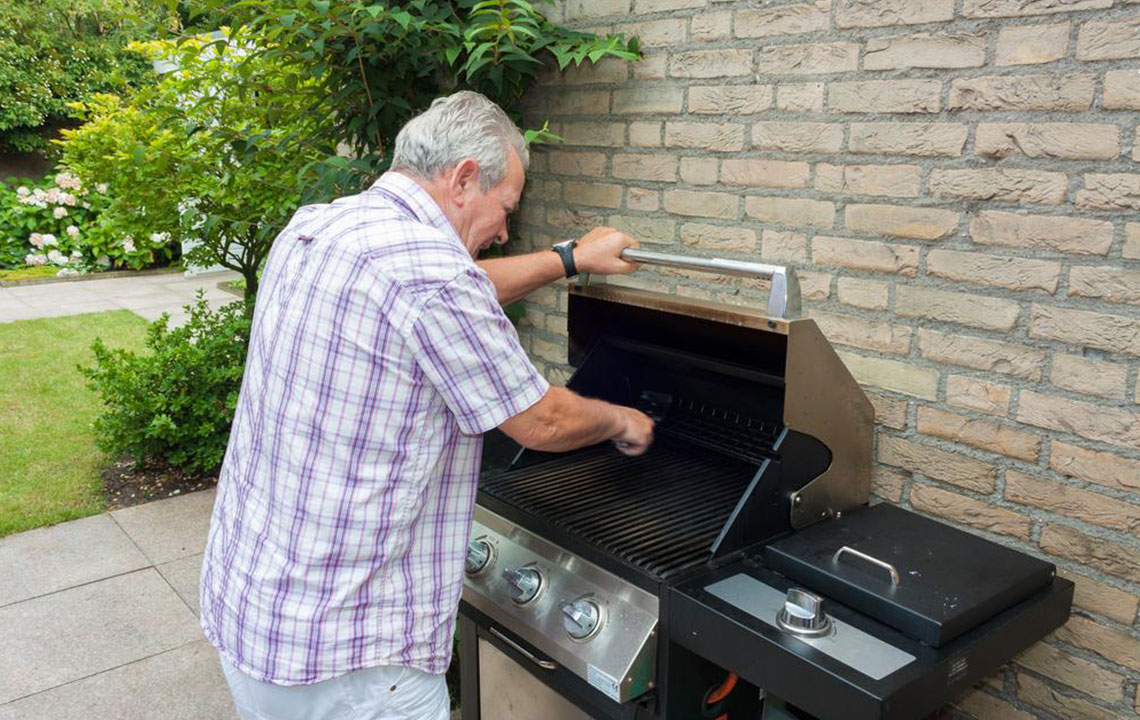
Transitioning to a natural gas grill is an increasingly popular choice among outdoor cooking enthusiasts, thanks to its eco-friendly benefits, cost efficiency, and convenience. Installing a natural gas grill properly is vital not only for optimal performance but also for ensuring safety and compliance with local regulations. Whether you are a seasoned griller or a first-time homeowner, understanding the key steps involved in installing your natural gas grill can vastly improve your outdoor cooking experience and longevity of the appliance.
Choosing the Right Natural Gas Grill for Your Needs
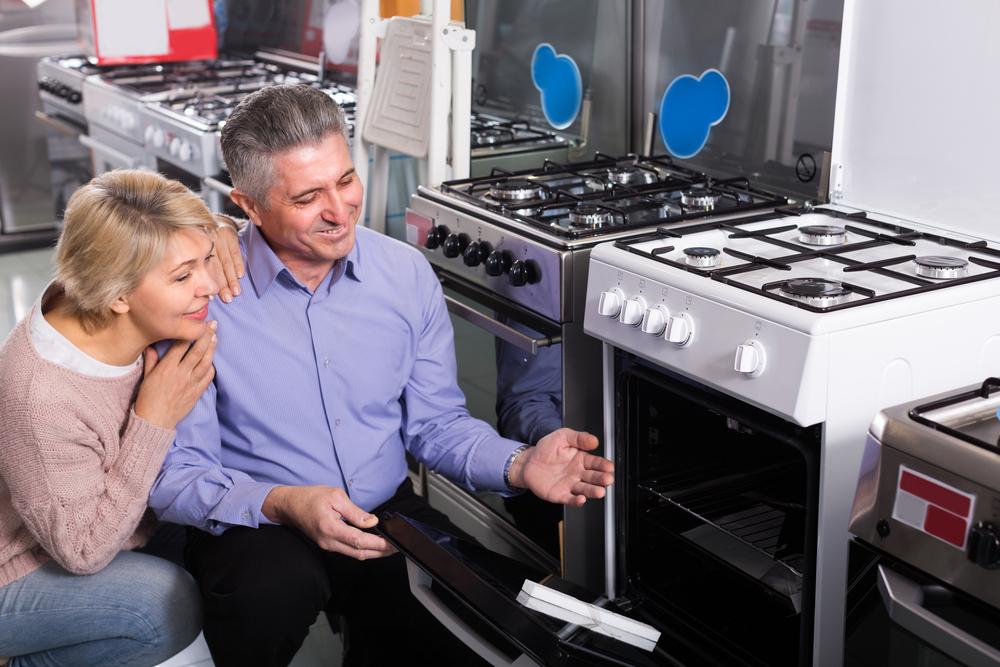
Selecting a suitable grill is a critical first step. Consider your culinary preferences, space limitations, and budget when choosing your model. Natural gas grills come in various sizes, features, and price ranges. For small patios or balconies, compact models might be ideal, whereas larger families or avid grillers may prefer more extensive setups with additional burners and features. Remember, a higher-quality grill may cost more initially but can offer better durability, enhanced features, and energy efficiency, leading to savings over time.
When choosing a grill, also think about its compatibility with your existing gas supply setup. Some models come with specific connection requirements, so ensuring compatibility before purchase is crucial. Don’t forget to account for installation costs, which include the price of the grill, necessary tools, and any professional setup fees. Proper maintenance and timely repairs can significantly extend your grill’s lifespan, reducing long-term expenses and keeping your outdoor kitchen in excellent condition.
Understanding and following local laws and permit requirements is essential before starting your installation process. Many municipalities impose specific regulations regarding gas line installation and outdoor appliances. Usually, a permit is required to connect a natural gas line to ensure safety and compliance. Failing to adhere to these regulations can result in legal penalties, insurance issues, or safety hazards. These rules often specify the minimum distances for gas line connections from structures, buried pipe depths, and safety clearance zones. Familiarizing yourself with these codes helps prevent accidents and ensures your setup passes inspections seamlessly.
Getting the proper permits before installation is critical to avoid potential legal complications and safety concerns. Working with professionals who are familiar with local building codes can streamline this process. They will also help ensure that your setup meets all safety standards, reducing the risk of leaks, fires, or other hazards associated with improper installation.
Professional Installation: The Best Practice
While some homeowners might be tempted to perform DIY installation, hiring certified professionals remains the safest option. Installing a natural gas grill involves connecting gas lines, regulators, and valves; many of these components require specialized tools and expertise. Licensed plumbers or trained technicians possess the knowledge to handle gas connections safely, ensuring there are no leaks or structural issues and that all components are correctly fitted. DIY attempts can inadvertently damage components or violate local safety standards, resulting in costly repairs or dangerous conditions.
Engaging a qualified technician not only guarantees an efficient and safe setup but also adheres to insurance and legal requirements. Professional installation typically includes testing for leaks and verifying proper operation, giving you peace of mind during your outdoor cookouts. Remember, investing in professional setup might add to your initial costs but pays off in safety, durability, and peace of mind.
In conclusion, installing a natural gas grill involves careful planning, adherence to regulations, and professional handling. By selecting the right model, understanding local codes, and relying on licensed experts, you can enjoy safe, reliable, and efficient outdoor grilling for years to come. This approach ensures you maximize your investment, reduce safety risks, and create a perfect outdoor cooking environment for family and friends.