Comprehensive Guide to Choosing the Ideal Ceiling Fan for Your Home
Discover how to select the perfect ceiling fan for your home with this comprehensive guide. Learn about design styles, motor types, energy efficiency, airflow capacity, and control options. This detailed article helps you make an informed decision, ensuring your space remains comfortable and stylish. Perfect for homeowners seeking a blend of functionality and aesthetics, it covers all essential factors to consider for a smart purchase that enhances your living environment and saves energy in the long run.
Comprehensive Guide to Choosing the Ideal Ceiling Fan for Your Home
Selecting the perfect ceiling fan for your residence can be a complex and sometimes stressful task, especially given the vast array of options available on the market today. From different designs and sizes to various motor types and energy-efficient features, finding a ceiling fan that perfectly complements your home's interior while providing effective airflow requires thoughtful consideration. To make your decision easier, this comprehensive guide will walk you through all the critical factors you should evaluate before purchasing a ceiling fan for your living space.
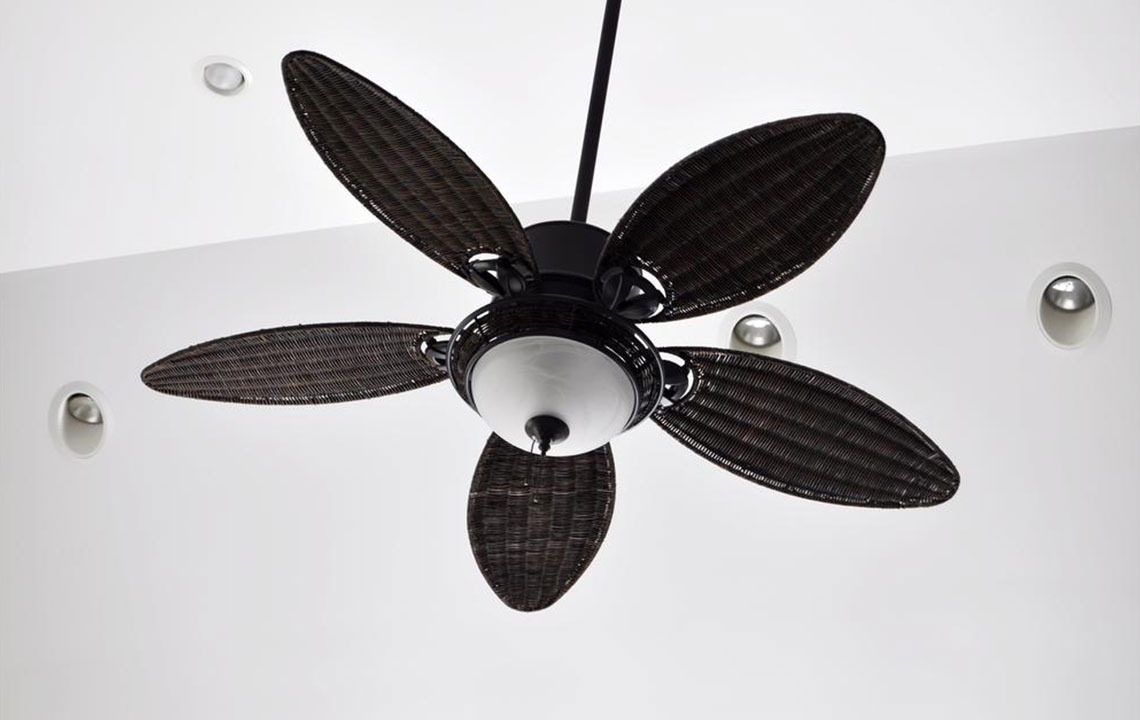
Design and Style: Your ceiling fan is not only a functional appliance but also a part of your home's aesthetic. Therefore, matching the fan's style with your existing décor is crucial for creating a harmonious environment. For example, vintage, antique, or ornate fans tend to suit traditional interiors, bringing a sense of elegance and historical charm. Sleek, minimalistic designs with clean lines and metallic finishes are ideal for modern or contemporary spaces, where simplicity and sophistication are key. In rustic or tropical-themed interiors, fans with dark wood blades or natural materials such as bamboo, rattan, or palm leaf are popular choices, adding warmth and a natural touch. The length and style of the fan's rod, the shape of the blades, and the overall finish should all complement your room's decor to create a seamless visual flow.
Motor Type and Performance: The motor is the heart of any ceiling fan, affecting both performance and energy efficiency. Traditional fans often use AC motors, which, while reliable, tend to be larger, heavier, and noisier. Conversely, modern fans frequently incorporate Direct Current (DC) motors, which are lighter, more compact, and more energy-efficient. DC motors deliver higher torque, ensuring powerful airflow even at lower speeds, and they consume up to 70% less energy than their AC counterparts. Additionally, DC motors produce less heat and operate more quietly, making them ideal for bedrooms, nurseries, or quiet living spaces where noise can be disruptive.
Energy Efficiency and Ratings: An essential consideration in today’s eco-conscious world is the energy consumption of your ceiling fan. Models with Energy Star certification are designed to meet strict energy efficiency guidelines, typically consuming 15-20% less energy than standard models. These fans often come with long-lasting warranties, such as a 30-year motor warranty and a one-year comprehensive parts warranty, providing peace of mind. Energy-efficient fans equipped with LED lighting fixtures also enjoy significantly lower energy consumption than traditional lighting options, reducing your overall electricity bill and your carbon footprint.
Airflow Capacity and Coverage: The primary function of a ceiling fan is to circulate air effectively. Fans with higher airflow capacities—measured in cubic feet per minute (CFM)—are better suited for large rooms or outdoor spaces like patios and garages. Excessively small fans may struggle to provide adequate cooling, while oversized fans might generate excessive noise and turbulence. Selecting a fan with the right airflow capacity ensures comfort without unnecessary energy expenditure. Consider the size of your room when choosing; larger spaces require fans with higher CFM ratings to distribute air evenly.
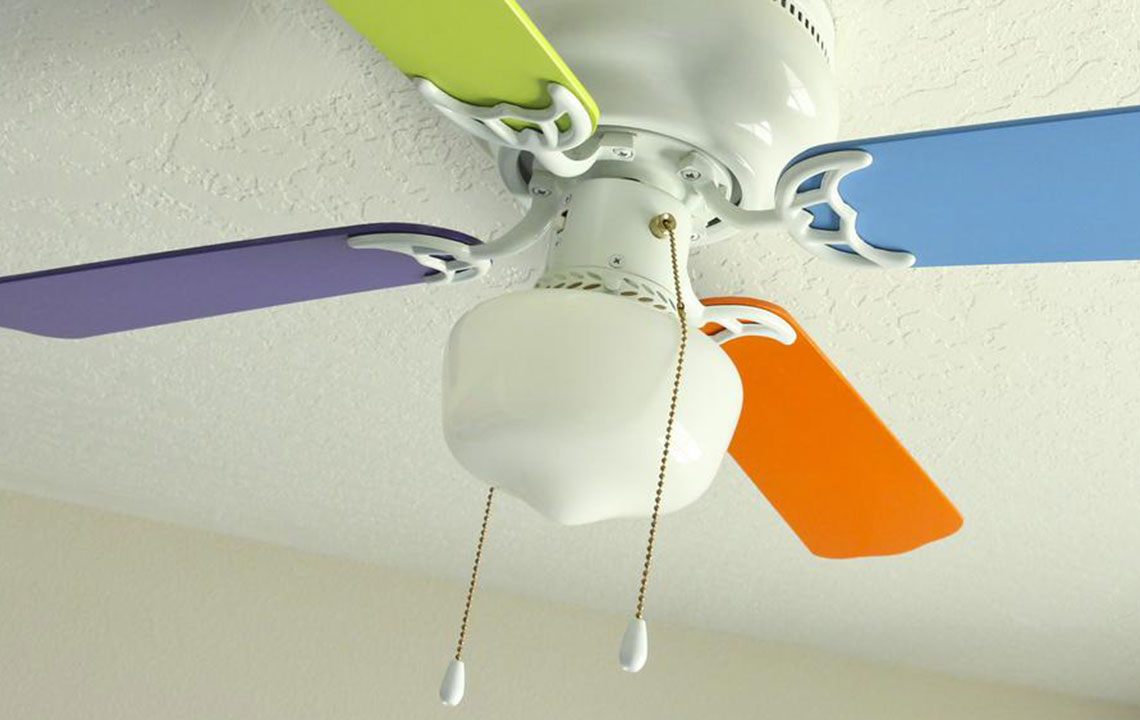
Control Options and Convenience: Modern ceiling fans offer a variety of control mechanisms that enhance user convenience. Remote controls are highly popular, especially in living rooms and outdoor patios, as they allow operating the fan from distances of 30 to 50 feet without having to get up. Handheld remotes are suitable for bedrooms, providing easy access from bed or seating areas. Wall-mounted controls or switches are standard in many kitchens and dining rooms, with some models offering variable speed options and timers. Additionally, pull chains offer a simple, vintage aesthetic and are ideal for spaces with low traffic where frequent adjustments are unnecessary. The choice of control type should align with your lifestyle and room layout to maximize convenience.
Overall, choosing the right ceiling fan involves balancing aesthetic appeal with performance and efficiency. By paying close attention to design style, motor performance, energy ratings, airflow capacity, and control options, you can select a fan that not only keeps your indoor environment comfortable but also enhances your home’s decor. Remember to measure your room accurately, evaluate your specific needs, and consider future energy costs to make an informed purchase. Investing wisely in a high-quality ceiling fan ensures long-term comfort, energy savings, and a stylish touch to your home.