Comprehensive Guide to Selecting and Properly Applying Pest Control Chemicals
Learn how to select and apply pest control chemicals safely and effectively. This comprehensive guide emphasizes responsible use, proper identification, and safe handling practices to protect health and the environment, ensuring pest issues are managed efficiently while minimizing risks. Discover expert tips on choosing appropriate products, following safety guidelines, and establishing effective pest management routines for homes and businesses.
Comprehensive Guide to Selecting and Properly Applying Pest Control Chemicals
Pest control chemicals play a significant role in maintaining hygiene and safety within households and commercial spaces. These substances are designed to effectively eliminate or manage unwanted pests such as insects, rodents, and other nuisances. Despite their widespread availability and ease of purchase, improper handling, overuse, or incorrect application of these chemicals can lead to serious health complications for humans, pets, and can adversely affect the environment. Therefore, understanding how to select suitable pest control agents and apply them responsibly is crucial for safety and efficacy.
This extensive guide aims to provide essential insights into choosing the right pest control chemicals and implementing their use safely and effectively. By following these detailed recommendations, homeowners, facility managers, and pest control professionals can reduce health risks and ensure sustainable pest management practices.
Evaluate the Necessity of Pest Control: Before purchasing or applying any chemicals, critically assess whether pest control is genuinely needed. Complete eradication of pests is often unrealistic, and in many cases, controlling and reducing pest populations to manageable levels is a more practical approach. Overusing pesticides can foster resistance, cause unnecessary exposure, and harm the ecosystem.
Select Appropriate Pest Control Products: Avoid impulsive purchases of random or highly toxic pest control chemicals. Instead, identify the specific pest problem and choose a targeted solution. Proper identification of the pest species ensures the use of the most effective pesticide and minimizes exposure risks.
Identify the Pest and Use Tailored Products: Carefully pinpoint the pest infestations within your premises. Select pesticides that are specifically formulated to combat those pests, ensuring higher efficacy and minimizing collateral damage to non-target organisms. Use products sparingly—over-application can be hazardous and counterproductive.
Prefer Organic and Less Toxic Options: Whenever possible, opt for pesticides containing natural or organic ingredients. These typically have lower toxicity levels and pose fewer risks to humans, pets, and the environment.
Follow Manufacturer Instructions: Adhere diligently to the guidelines provided by the chemical manufacturers. Precise application techniques, recommended dosages, and safety measures are vital to maximize efficacy and safety.
Establish Safe Storage and Handling Practices: Responsible pest management involves not just application but also proper storage. Keep chemicals in secure, clearly labeled containers out of children’s reach and storage areas away from food and water supplies. Limit the quantity stored and avoid long-term accumulation of chemicals.
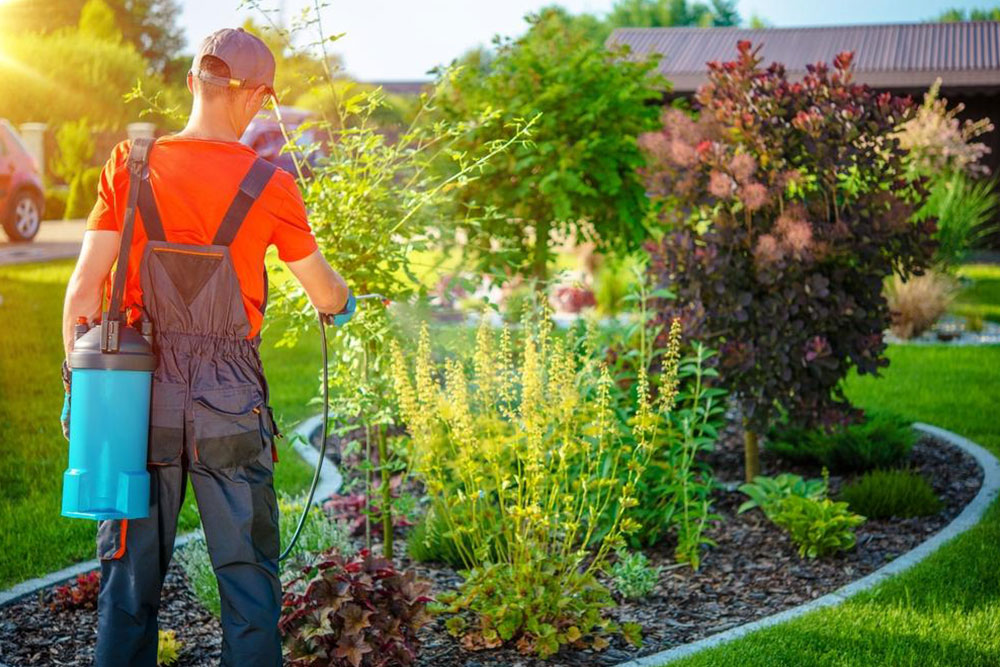
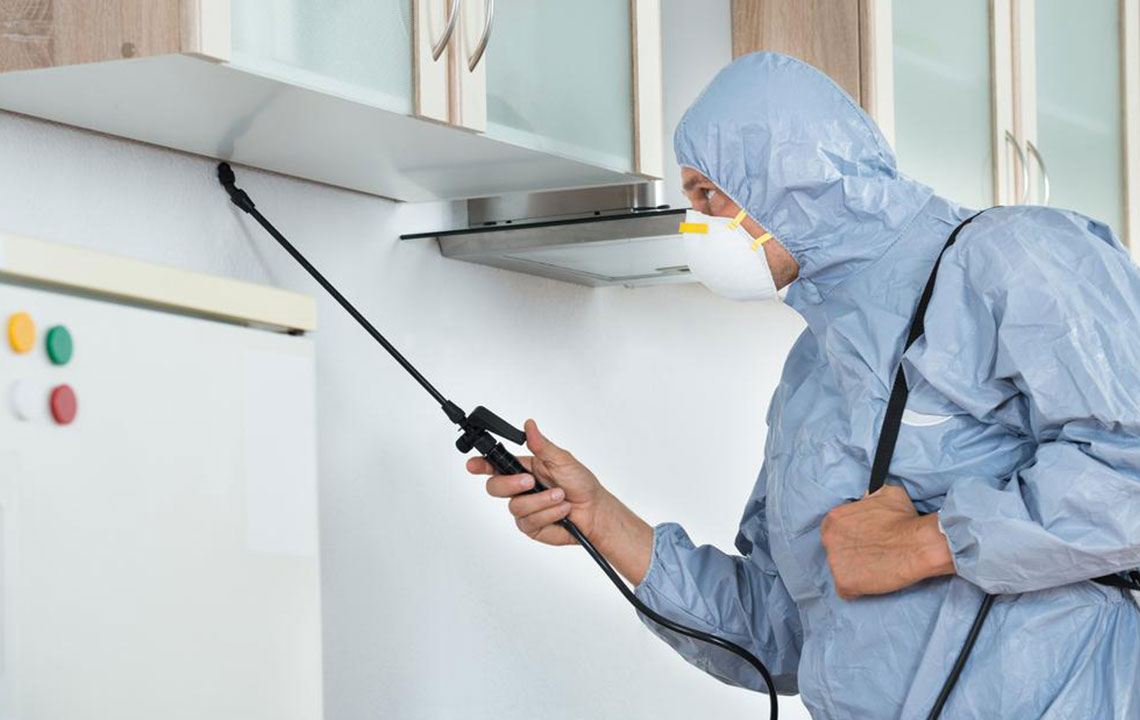
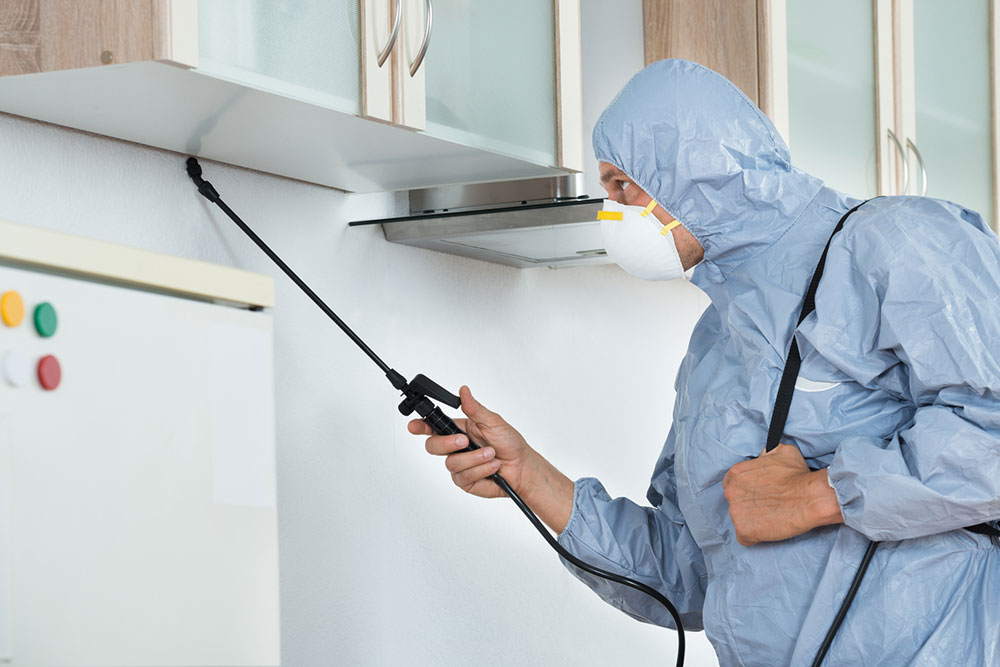
Proper application of pest control chemicals is fundamental to pest management success. Use protective gear such as gloves, masks, and goggles when handling or spraying chemicals to prevent exposure. Do not mix different pesticides unless explicitly instructed to do so, as chemical reactions can produce toxic fumes or other hazardous conditions.
During application, avoid eating, drinking, or smoking to prevent accidental ingestion of chemical residues. Afterward, wash your hands thoroughly with soap and water, and clean any equipment used in the process. These practices help minimize health risks associated with chemical exposure.
Regularly review and revise your pest control procedures to maintain safety standards. Establish protocols for safe disposal of leftover chemicals and empty containers, ensuring they do not contaminate the environment. Educate household members or employees about the importance of safe pest control practices to foster awareness and responsibility.
By adopting comprehensive, careful, and responsible approaches to selecting and applying pest control chemicals, you can manage pest problems effectively while safeguarding the health of your family, pets, and the environment. Remember, integrated pest management strategies that combine chemical controls with non-chemical methods often provide the most sustainable and safe solutions over time.